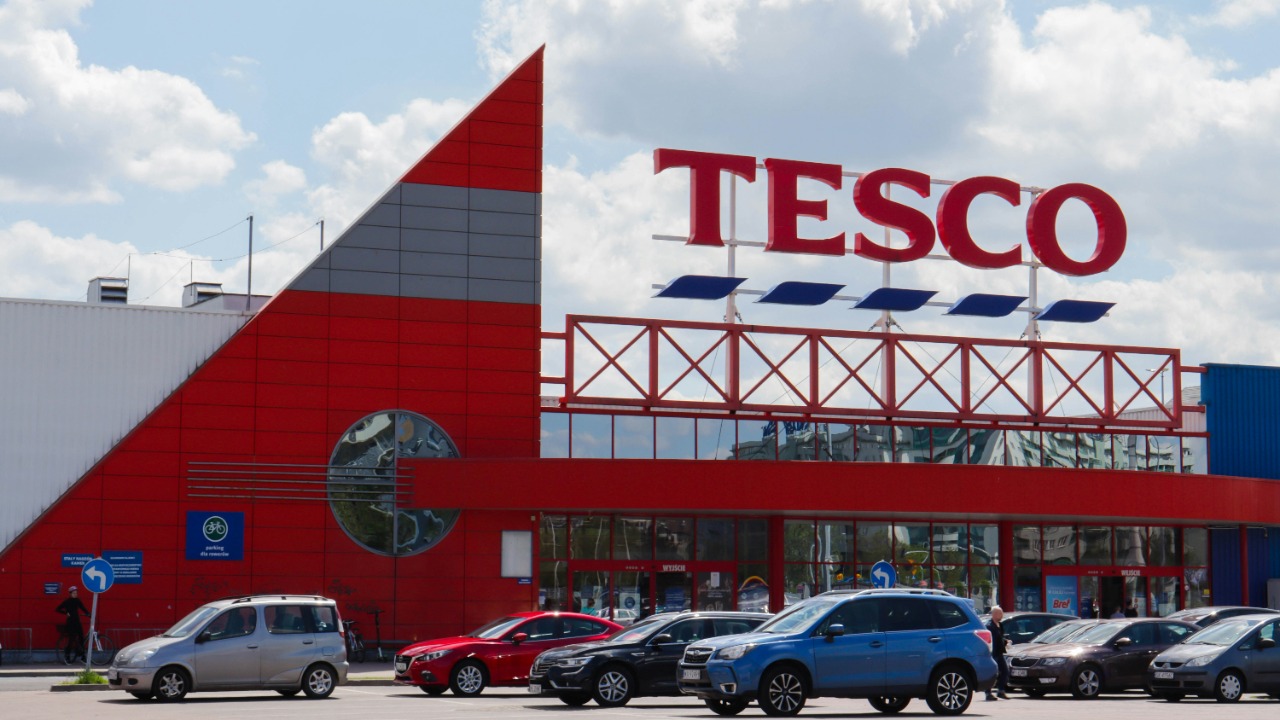
Tesco is forecasting a price war leading up to the Christmas season, citing increasing “pressure on household budgets” as a key driver of this competitive battle. The retail giant anticipates that the competition will intensify as retailers strive to attract budget-conscious consumers, a trend that could significantly impact the retail landscape.
The Predicted Price War
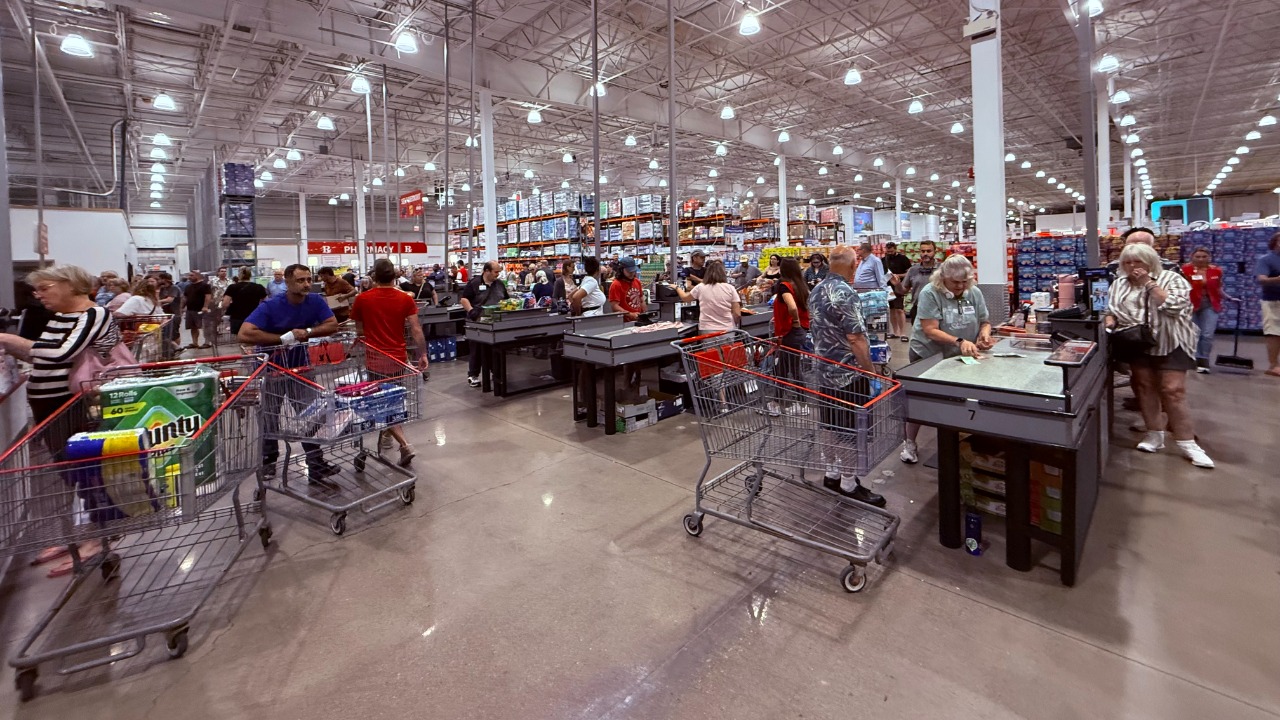
Tesco has publicly predicted that a price war is imminent before the Christmas season. This forecast comes as the company observes a shift in consumer behavior, with shoppers becoming more price-sensitive due to economic pressures. As retailers gear up for the holiday season, Tesco expects the competition to become fiercer, with companies vying to offer the best deals to attract customers. This anticipated price war is not just about lowering prices but also about enhancing value through promotions and loyalty programs to retain customer interest.
The company emphasizes that the competition is expected to intensify as retailers strive to attract budget-conscious consumers. With the holiday season being a critical period for retail sales, businesses are likely to employ aggressive pricing strategies to capture market share. This environment could lead to significant shifts in consumer spending patterns, as shoppers seek out the best bargains available. Tesco’s prediction highlights the dynamic nature of the retail market, where adaptability and strategic pricing are crucial for success.
To further understand the dynamics of this anticipated price war, it is important to consider the broader economic context. Retailers are not only competing on price but also on the overall shopping experience. This includes enhancing in-store experiences, optimizing online shopping platforms, and ensuring seamless integration between physical and digital retail spaces. As consumers become more discerning, the ability to offer a cohesive and engaging shopping experience could be a key differentiator for retailers.
Moreover, the role of technology in shaping retail strategies cannot be understated. Retailers are increasingly utilizing data analytics to gain insights into consumer behavior, allowing them to tailor their offerings and promotions more effectively. This data-driven approach enables retailers to anticipate consumer needs and respond swiftly to market changes, thereby gaining a competitive edge in the price war.
Pressure on Household Budgets

Tesco highlights the increasing pressure on household budgets as a central concern driving the predicted price war. Economic factors such as inflation and rising living costs are contributing to financial stress for many families, prompting them to be more cautious with their spending. This trend is expected to influence shopping behavior, with consumers prioritizing essential purchases and seeking out discounts and deals to stretch their budgets further.
Understanding the economic context is essential to grasp the full impact of Tesco’s forecast. As households face tighter financial constraints, retailers must adapt their strategies to meet the changing needs of their customers. This could involve offering more competitive pricing, enhancing value propositions, and focusing on customer loyalty to maintain sales volumes during challenging economic times. Tesco’s insights into these pressures underscore the importance of staying attuned to consumer needs in a fluctuating economic landscape.
In addition to inflation and rising living costs, other factors such as stagnant wage growth and increased interest rates are exacerbating the financial strain on households. These economic pressures are compelling consumers to reassess their spending priorities, often leading to a focus on value for money. Retailers, therefore, need to be acutely aware of these shifts and adjust their pricing strategies accordingly to remain relevant and appealing to cost-conscious shoppers.
Furthermore, the impact of these economic challenges is not uniform across all demographics. Lower-income households are likely to feel the pinch more acutely, which could influence their shopping habits significantly. Retailers might need to consider targeted promotions and discounts to cater to these segments, ensuring that they do not lose market share to competitors who are more attuned to the needs of these consumers.
Impact on Retail Industry

An examination of how a pre-Christmas price war could affect the retail industry and consumer spending patterns reveals potential challenges and opportunities. Retailers may need to balance aggressive pricing with maintaining profitability, a delicate task that requires strategic planning and execution. The anticipated price war could lead to increased competition among retailers, driving innovation in marketing and sales tactics to attract and retain customers.
Analysis of potential strategies retailers might employ to maintain profitability during increased competition includes diversifying product offerings, enhancing customer service, and leveraging technology to improve operational efficiency. Retailers may also explore partnerships and collaborations to expand their reach and offer unique value propositions. The outcome of this competitive landscape will likely depend on each retailer’s ability to adapt to changing market conditions and consumer preferences.
The potential impact of a pre-Christmas price war on the retail industry extends beyond immediate sales figures. Retailers may face long-term implications, such as shifts in brand perception and customer loyalty. Companies that manage to balance competitive pricing with quality and service are likely to emerge stronger, while those that focus solely on price may risk damaging their brand reputation. This scenario underscores the importance of a holistic approach to retail strategy, where pricing is just one component of a broader value proposition.
Additionally, the price war could spur innovation within the industry, as retailers seek new ways to differentiate themselves. This might include the adoption of sustainable practices, which are increasingly important to consumers, or the development of exclusive product lines that offer unique value. Retailers that can successfully integrate these elements into their business models may not only survive the price war but also thrive in its aftermath.
Tesco’s Strategic Positioning
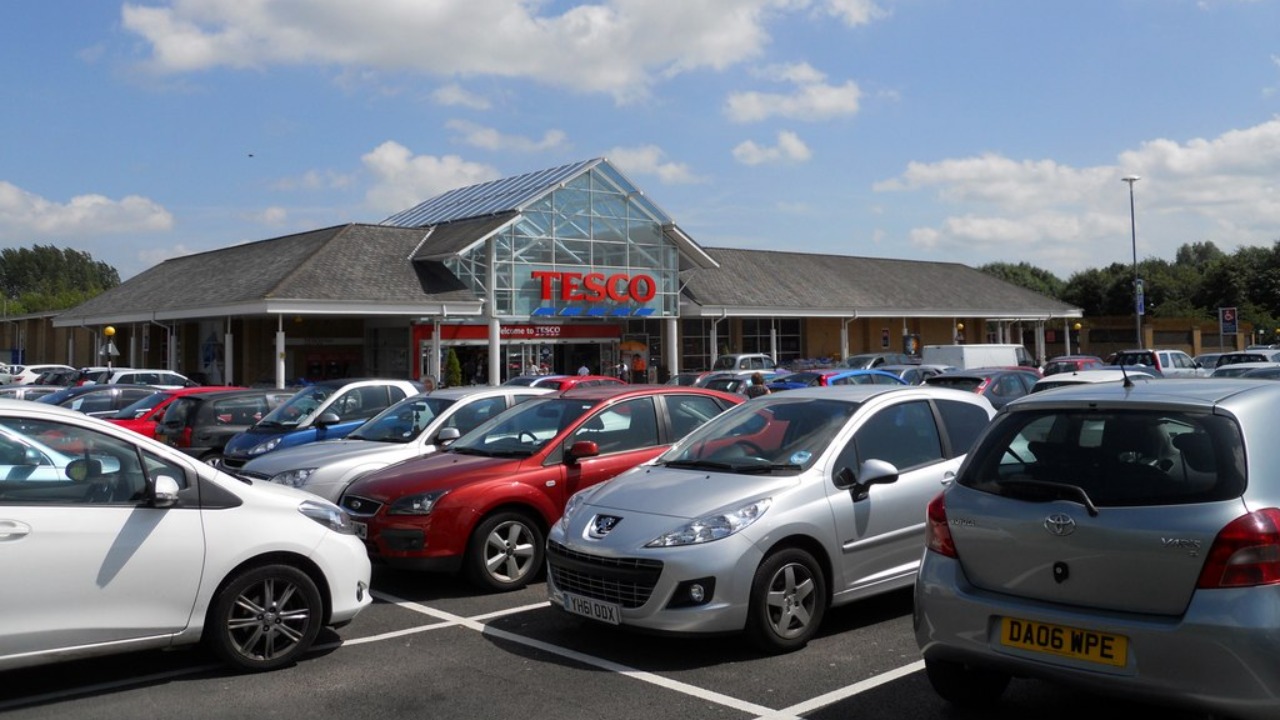
An overview of Tesco’s strategies to navigate the anticipated price war and sustain its market position reveals a focus on innovation and customer engagement. Tesco is likely to leverage its extensive supply chain and distribution network to offer competitive pricing while maintaining product quality. Additionally, the company may invest in digital platforms to enhance the shopping experience and provide personalized offers to customers.
Insights into Tesco’s recent business decisions and how they align with the predicted market dynamics suggest a proactive approach to market challenges. By focusing on customer needs and preferences, Tesco aims to strengthen its brand loyalty and secure its position as a leading retailer. The company’s strategic initiatives, such as expanding its product range and enhancing its online presence, are designed to meet the evolving demands of consumers in a competitive retail environment.
For more details, visit The Guardian.

Grant Mercer covers market dynamics, business trends, and the economic forces driving growth across industries. His analysis connects macro movements with real-world implications for investors, entrepreneurs, and professionals. Through his work at The Daily Overview, Grant helps readers understand how markets function and where opportunities may emerge.

