
In the world of wealth-building, the concept of “passive income” has become a buzzword, often romanticized as the ultimate goal for achieving financial freedom. However, many affluent mentors tend to steer clear of this topic, favoring more active strategies for wealth creation. This article delves into the reasons why rich mentors might skip the “passive income” talk, offering insights into their mindset and strategies.
The Myth of Effortless Wealth

The notion of passive income often conjures images of effortless earnings while lounging on a tropical beach. However, this vision oversimplifies the complexity and effort required to establish and sustain these income streams. I have found that truly passive income is rarely achieved without a significant initial investment of time, money, and skills. The romantic idea of passive income overlooks the practical challenges and ongoing management needed to make these ventures successful.
Consider the example of rental properties. While rental income is often cited as a classic form of passive income, the reality involves substantial upfront investment, property management, and dealing with tenant issues. Even with a property manager, owners must remain engaged to ensure their investment remains profitable. This is why many wealthy mentors emphasize the importance of recognizing the active elements involved before labeling any income stream as passive.
The Value of Active Engagement
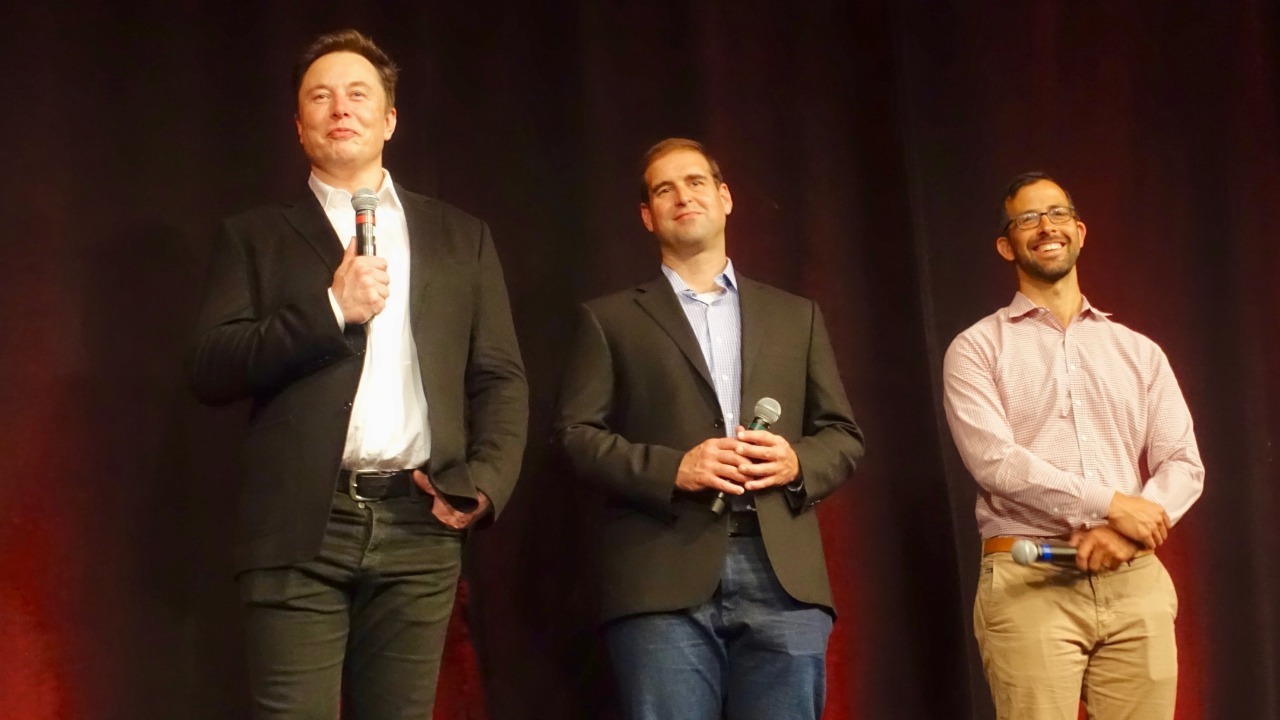
Wealthy individuals often achieve greater success through active involvement and strategic decision-making in their ventures. Active engagement provides the flexibility to adapt to changing market conditions and align business practices with personal goals. For example, entrepreneurs like Elon Musk, who have been actively involved in companies like Tesla and SpaceX, demonstrate that hands-on leadership can lead to groundbreaking success.
Active involvement allows mentors to maintain control over their investments and respond swiftly to challenges or opportunities. This adaptability is crucial in an ever-evolving economic landscape where passive strategies may fall short. By staying actively engaged, I enhance my ability to navigate complex situations and capitalize on emerging trends, which is often more rewarding in the long run.
The Importance of Skill Development

Rich mentors frequently emphasize the development of skills that create value and foster personal and professional growth. Active income strategies often lead to improved skills and networks, which can be more sustainable and lucrative over time. For instance, by actively participating in ventures, individuals can hone their negotiation skills, expand their industry knowledge, and build valuable relationships.
Active involvement in income-generating activities facilitates continuous learning and skill enhancement, which are integral to long-term success. As I engage with diverse projects, I gain insights and expertise that contribute to my overall growth. This focus on skill development is exemplified by successful entrepreneurs who prioritize learning and adaptability over the pursuit of passive income alone.
The Reality of Risk Management

Passive income streams are not without risks, and wealthy mentors often prefer strategies where they can actively manage and mitigate these risks. Understanding and navigating risks is a crucial skill that leads to more informed and potentially profitable decisions. For example, investing in the stock market may seem passive, but it requires ongoing monitoring and risk assessment to ensure returns align with expectations.
By actively managing risks, mentors can make strategic decisions that protect their investments and maximize returns. This proactive approach is often more effective than relying solely on passive income streams that may be vulnerable to market fluctuations. The ability to assess and address risks empowers me to make decisions that are aligned with my financial goals and risk tolerance.
The Focus on Legacy and Impact
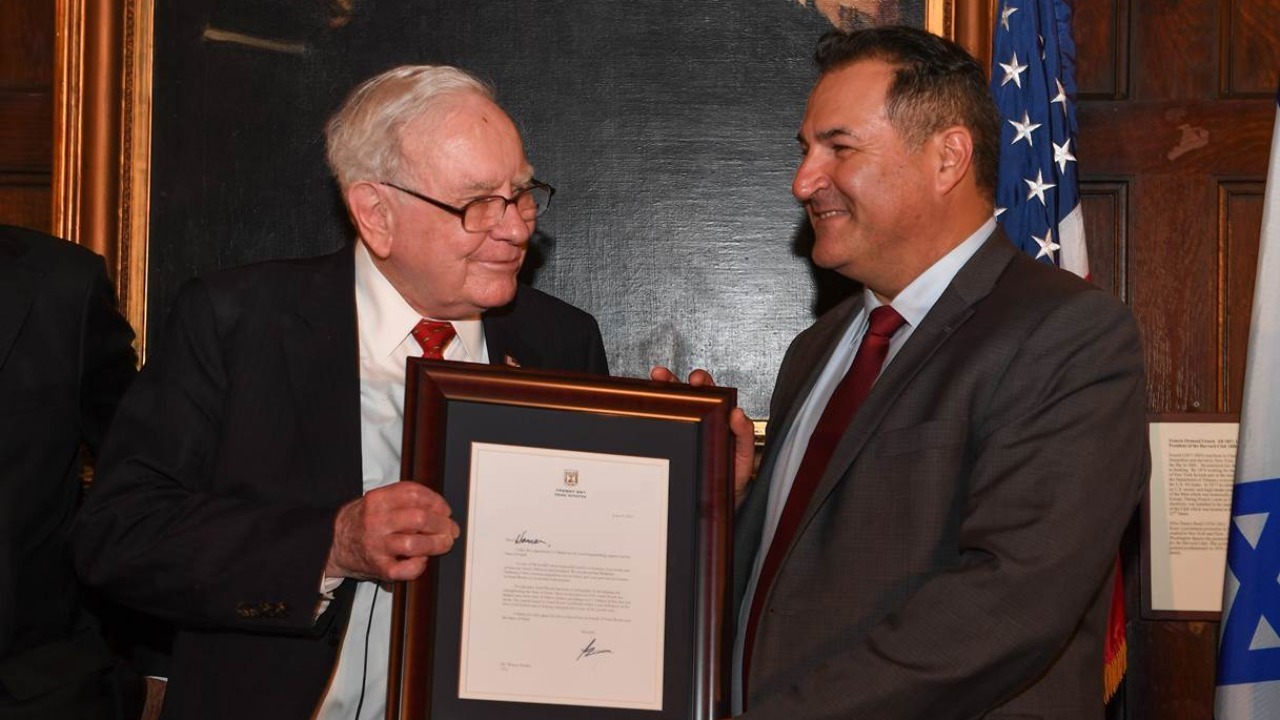
Many affluent mentors prioritize building a legacy and making a meaningful impact, which often requires active participation and leadership. By engaging directly in their ventures, they can ensure their values and vision are reflected and preserved in their work. For instance, philanthropists like Warren Buffett actively shape their charitable initiatives to align with their personal values and societal goals.
Active involvement allows mentors to leave a lasting impact and create a legacy that extends beyond financial wealth. By being directly involved in projects, they can drive positive change and influence future generations. This focus on legacy and impact is a compelling reason why I choose to actively engage in my ventures, ensuring that my work resonates with my core values and aspirations.
While passive income is often touted as the ultimate goal for financial independence, there are compelling reasons why rich mentors might prefer active strategies. From gaining control and adaptability to enhancing skills and managing risks, active engagement offers numerous advantages. By focusing on legacy and impact, wealthy individuals demonstrate that their approach to wealth-building goes beyond passive income, reflecting a commitment to meaningful success.

Cole Whitaker focuses on the fundamentals of money management, helping readers make smarter decisions around income, spending, saving, and long-term financial stability. His writing emphasizes clarity, discipline, and practical systems that work in real life. At The Daily Overview, Cole breaks down personal finance topics into straightforward guidance readers can apply immediately.

