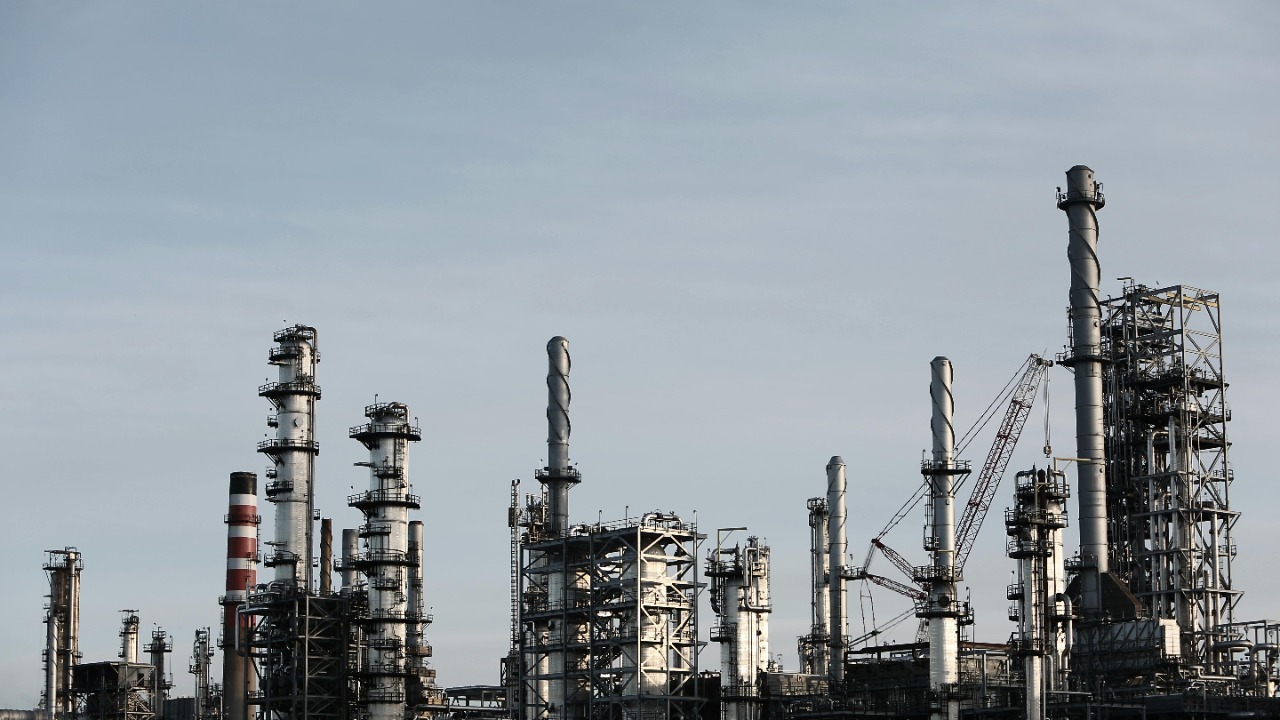
America is pumping near-record volumes of crude, yet a surprising share of that oil is not a natural fit for the fuel system that keeps the country moving. The mismatch is not about politics or patriotism so much as physics, engineering, and decades of investment decisions that locked refineries into a very specific diet of oil.
To understand why the United States still imports large quantities of crude even as it exports barrels from its own wells, I need to trace how the shale boom reshaped the quality of American oil, how refineries were built for a different era, and why changing that hardware is slower and more expensive than simply shipping barrels across an ocean.
The shale boom changed the kind of oil America produces
The modern surge in U.S. output is overwhelmingly a story of shale, and shale crude is typically light and sweet, meaning it has a lower density and sulfur content than the heavy, sour grades that dominated earlier decades. Horizontal drilling and hydraulic fracturing in basins like the Permian, Bakken, and Eagle Ford turned the United States into the world’s largest producer, but the barrels coming out of those rocks are not interchangeable with the heavier imports that Gulf Coast refineries were built to handle. As production climbed, the quality profile of U.S. crude shifted toward these lighter grades, creating a structural gap between what the country pumps and what many of its refineries are optimized to run.
That quality shift matters because refineries are not simple boilers that can take any liquid labeled “oil.” They are complex chemical plants calibrated to a narrow range of inputs, and the shale era has flooded the system with light crude that yields a different slate of products than the heavy barrels from places like Canada, Mexico, and the Middle East. As domestic output of light, sweet grades expanded, the United States increasingly exported those barrels to buyers whose refineries were better suited to them, while continuing to import heavier crude that fits the existing domestic hardware and product mix U.S. crude trade.
Refineries were built for heavy crude, not today’s lighter barrels
For decades, U.S. refiners invested billions of dollars in cokers, hydrocrackers, and desulfurization units designed to squeeze maximum value out of heavy, sour crude. Those investments made sense when domestic production was declining and imports from Venezuela, Mexico, and the Middle East looked like a permanent reality. The result is a fleet of refineries, especially along the Gulf Coast, that are highly complex and most profitable when they run a blend that includes significant volumes of heavier grades, which can be upgraded into diesel, jet fuel, and other high-value products. When those plants are fed too much light crude, they can become bottlenecked, and the product slate can tilt toward lighter outputs like naphtha that are harder to monetize at scale.
Reconfiguring a refinery to handle a different crude slate is not as simple as turning a dial. It can require new distillation towers, revamped vacuum units, or additional processing capacity, each of which involves multi-year permitting, construction, and billions in capital. Faced with that cost, many operators have chosen a cheaper workaround: keep importing the heavy barrels their equipment expects and sell surplus light crude into the global market. That is why the United States can simultaneously be a major crude exporter and a significant importer, with refineries continuing to bring in heavy grades that better match their design even as domestic wells produce more light oil than they can efficiently absorb refinery configuration.
Product demand locks in the mismatch
The constraint is not only on the supply side. The mix of fuels Americans actually consume also pushes refiners toward certain crude types. U.S. drivers still burn enormous volumes of gasoline, while freight, aviation, and industry depend on diesel and jet fuel. Heavy crude, when run through a complex refinery, can be cracked and upgraded into a product slate that leans toward those middle distillates, which often command higher margins than gasoline. Light crude, by contrast, naturally yields more gasoline and lighter products, so a system that is already saturated with gasoline demand can struggle to profitably absorb even more of it without creating gluts or price distortions.
That demand pattern helps explain why refiners have not rushed to overhaul their plants to run only domestic light barrels. As long as the U.S. vehicle fleet, freight network, and petrochemical sector are configured around a particular balance of gasoline, diesel, jet fuel, and feedstocks, operators have a strong incentive to keep importing heavier crude that supports that mix. The result is a kind of structural lock-in: the fuels Americans use, the engines they drive, and the industrial processes they rely on all reinforce the economic logic of maintaining a blend of imported heavy and domestic light crude rather than pivoting fully to what U.S. wells produce petroleum product use.
Infrastructure and export rules channeled surplus oil overseas
Even when domestic production surged, the physical layout of pipelines, ports, and storage tanks did not automatically route those barrels to the refineries that could use them best. Much of the midstream system was originally built to move imported crude from coastal terminals inland, not to push shale oil from North Dakota or West Texas to every refinery on the map. As shale output grew, bottlenecks emerged, and it was often easier and cheaper to ship light crude to export terminals and sell it abroad than to re-plumb the entire domestic network. That infrastructure reality amplified the quality mismatch, turning the United States into a major exporter of crude that many of its own refineries were not eager to run.
Policy also played a role. For decades, federal rules restricted most crude exports, which meant domestic producers had to discount their barrels to find a home inside the United States. When those restrictions were lifted, it opened a pressure valve, allowing light, sweet crude to flow to overseas buyers whose refineries were configured for it, while U.S. plants kept importing heavier grades that fit their equipment. The combination of legacy infrastructure and evolving export policy created a pattern in which the country’s oil boom translated into more global trade rather than a neat substitution of domestic barrels for foreign ones export policy shift.
Why “energy independence” does not mean self-sufficiency
All of this complicates the political slogan of “energy independence.” The United States can produce more crude than it consumes on a net basis and still rely on imports because the specific types of oil, and the products they yield, do not line up perfectly with domestic needs. Refineries are optimized for certain blends, consumers demand a particular mix of fuels, and the global market sets prices that ripple through U.S. gasoline and diesel regardless of where the underlying crude was pumped. In practice, that means the country is deeply integrated into a global oil system even when its own wells are prolific.
For policymakers and voters, the key implication is that drilling more at home does not automatically insulate the United States from price spikes or supply shocks abroad. As long as domestic refineries depend on imported heavy crude and U.S. producers sell light barrels into international markets, global disruptions can still hit American drivers and businesses. The structural mismatch between what the country pumps and what its refineries and consumers are geared to use helps explain why debates over oil policy, exports, and refinery investment remain contentious, and why “using our own oil” is far more complicated than it sounds on a campaign stage global price link.
More From TheDailyOverview
- Tennessee loses $2.6B megafactory and faces major layoffs
- Retired But Want To Work? Try These 18 Jobs for Seniors That Pay Weekly
- What to do with your pennies after the U.S. stops minting them
- Home Depot CEO warns of a troubling customer trend in stores

Grant Mercer covers market dynamics, business trends, and the economic forces driving growth across industries. His analysis connects macro movements with real-world implications for investors, entrepreneurs, and professionals. Through his work at The Daily Overview, Grant helps readers understand how markets function and where opportunities may emerge.

