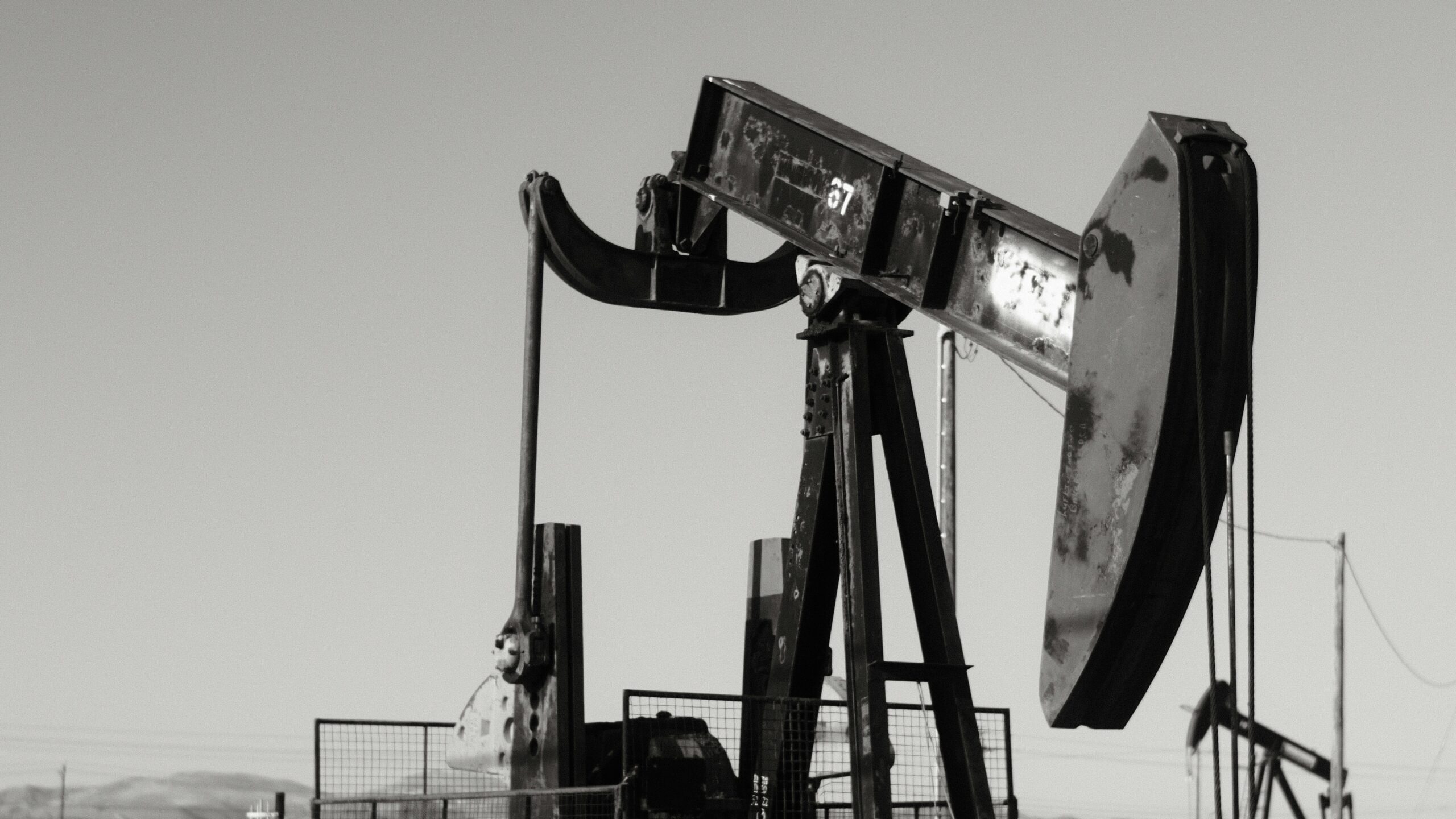
The world is awash in crude, yet capital keeps flooding into new wells, pipelines, and export terminals. Even as analysts warn of an eventual oil gap and climate scientists call for rapid cuts, roughly hundreds of billions of dollars a year still chase future barrels. The paradox is not a mystery of physics so much as a story about sunk infrastructure, political power, and investors who think the transition will move slower than the models say.
Oil remains the backbone of transport, trade, and heavy industry, and the systems built around it are designed to last decades, not election cycles. That is why money keeps flowing into exploration and production even when storage tanks look full and prices soften. To understand why the world still pours about 570 billion dollars a year into oil despite a supply glut, I need to follow the incentives from the gas pump to Wall Street.
Oil’s grip on the real economy
For all the talk of decarbonization, Oil, natural gas, and coal still provide 80% of American energy, which means almost every factory shift, school bus route, and Amazon delivery is ultimately tied to hydrocarbons. That dependence is not just about fuel at the pump, it is about jobs, tax revenue, and the political clout that comes with being responsible for a large slice of national output. When an industry underpins so much of daily life, governments are reluctant to starve it of capital, even when climate goals demand a rapid pivot.
Globally, the same pattern holds: the modern economy was built around dense, portable fuels that can be shipped across oceans and stored for months. Earlier eras had their own dirty energy crises, from urban horse manure to coal smog, but the arrival of oil solved many of those problems by packing more energy into a smaller, cleaner burning package, as historical analyses from All show. That legacy advantage still matters: container ships, Boeing 787s, and diesel locomotives are engineered around liquid fuels, and replacing that hardware at scale will take far longer than shifting investor sentiment.
Why fossil fuels keep beating renewables on the ground
Even where clean technologies are surging, they are mostly adding to total supply rather than pushing oil out of the system. In the United States, renewables met approximately 67% of the year’s increase in energy demand, which is impressive growth but still leaves fossil fuels covering the rest of the new consumption plus the existing base. When demand keeps rising, even rapid renewable deployment can feel like running up a down escalator, which reassures oil producers that there will be buyers for their barrels for years to come.
On top of that, fossil fuels enjoy a century of built-out logistics that solar panels and batteries are still racing to match. Unlike solar power which is intermittent and location dependent, oil can be pumped, stored, and shipped through a mature global network of tankers, refineries, and filling stations that already reaches every corner of Earth, as energy commentators at Apr argue. That logistical head start means a driver in rural Kansas can refuel a 2015 Ford F-150 in minutes, while the nearest fast charger might be an hour away, and it is this everyday convenience that keeps consumers, and therefore investors, locked into oil.
The hidden decline problem that keeps capital flowing
Behind the apparent glut lies a quieter crisis: existing oil fields are depleting faster than new ones are coming online. The International Energy Agency has warned that Production fields are dying off at accelerating rates, forcing companies to invest heavily just to keep output flat, a dynamic described as “run fast to stand still” in recent IEA analysis. That means even if demand stopped growing tomorrow, producers would still need large sums of capital each year simply to offset natural decline and avoid a sudden supply crunch.
Some analysts describe this as a “forgotten crisis,” where mature conventional fields fade while much of the replacement supply comes from unconventional reservoirs that are more expensive and shorter lived. Research on International Energy Agency scenarios suggests that without sustained upstream spending, the world could swing from surplus to shortage within a few years, with price spikes that would hammer consumers and politicians alike. Faced with that risk, executives and energy ministries prefer to overbuild capacity, even if it means some projects will later be stranded by climate policy.
Investor psychology: profits now, transition later
From the perspective of capital markets, oil still looks like a cash machine. Analysts tracking flows from Venezuela to Wall Street note that many oil companies and financial institutions have assumed that the energy transition will not progress as quickly as climate models suggest, and that, from a pure profitability standpoint, there is still money to be made in the fossil fuel sector, according to recent Jan reporting. If you believe oil demand will plateau slowly rather than collapse, then a new deepwater project or shale play can still pay off before electric vehicles and heat pumps eat too far into consumption.
Retail investors echo this logic in more informal language. On one widely shared Jan discussion, users boiled the issue down to economics, arguing that it is still cheaper and more viable to harvest and refine oil as an energy source than to overhaul entire grids and vehicle fleets for renewables. That perception, whether fully accurate or not, reinforces a “harvest mode” mentality in which companies focus on maximizing near term cash flows, returning dividends and buybacks to shareholders, and trusting that policymakers will not move fast enough to strand their assets before they recoup their investments.
Geopolitics, price wars, and the game of chicken
Oil is not just a commodity, it is a geopolitical weapon, and that reality shapes investment decisions as much as spreadsheets do. When political upheaval flares in producers like Iran, traders watch closely to see whether supply disruptions will outweigh demand worries, as recent coverage of unrest and market reaction in Iran under President Trump illustrates. Even when prices retreat on soft demand, the constant risk of sanctions, conflict, or shipping chokepoints keeps governments and companies pouring money into alternative fields and routes so they are not caught short in the next crisis.
At the same time, producers are locked in what one observer on Oct described as a game of chicken, with Each company racing to increase production even if it risks pushing prices, and therefore profits, lower. No one wants to be the first to cut back and surrender market share, especially when coordination through groups like OPEC can be fragile. That competitive pressure encourages continued drilling and expansion, because the worst outcome for an individual producer is to hold back investment only to watch rivals capture the remaining demand in a world that is slowly, but not yet decisively, turning away from oil.
More From TheDailyOverview
*This article was researched with the help of AI, with human editors creating the final content.

Grant Mercer covers market dynamics, business trends, and the economic forces driving growth across industries. His analysis connects macro movements with real-world implications for investors, entrepreneurs, and professionals. Through his work at The Daily Overview, Grant helps readers understand how markets function and where opportunities may emerge.

