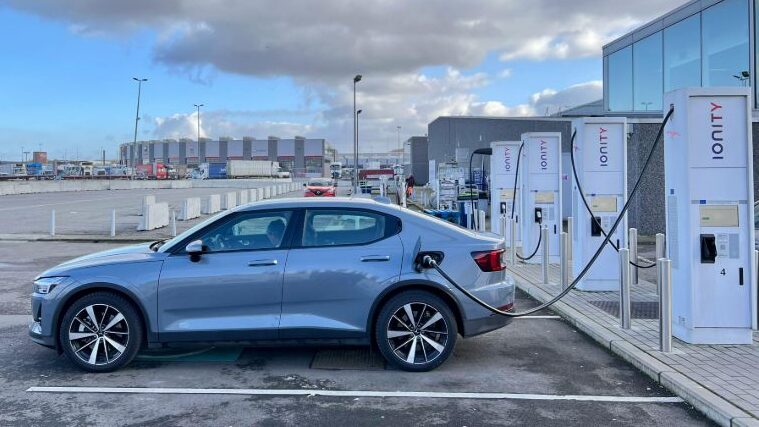
Used electric cars are shedding value at a pace that would rattle any owner who expected their battery-powered hatchback to behave like a traditional family sedan. The headline numbers are stark: multiple analyses now show electric vehicles depreciating significantly faster than comparable petrol models, turning what looked like a smart, future-proof purchase into a surprisingly costly experiment for early adopters.
I see three forces working together to drag down second-hand prices: aggressive incentives that distort new-car pricing, rapid advances in battery and charging technology that make older models feel obsolete, and lingering doubts about how long those batteries will really last. Layered on top of that is a used market still figuring out how to value an electric drivetrain at all.
Incentives, pricing quirks and a young, jittery market
The first hit to used EV values starts before a car ever leaves the showroom. Generous subsidies and discounts on new models push transaction prices down, which instantly compresses what a two or three year old version can command. Reporting from Oct 19, 2025 describes how a combination of incentives, changing tech and other factors has left the used EV market about as volatile as any segment in the industry, with those purchase-side sweeteners cited as a core reason electric cars suffer greater depreciation than petrol rivals. When a new compact EV can be had for thousands less after tax credits, buyers naturally balk at paying near-new money for a used one.
That distortion is magnified by how quickly the technology is moving. Dealers and private buyers are already discounting older models because they know a fresh wave of cars with longer range and faster charging is always just around the corner. One guide on Understanding EV Depreciation Rates points directly to Rapid Advancements in Technology in The EV sector as a key reason values slide so quickly, arguing that each new generation makes the last one look dated in a way that simply does not happen as sharply with combustion engines. In practice, that means a three year old hatchback with 200 kilometres of real-world range is competing against brand new rivals that can comfortably travel far more on a charge, often for a subsidised price.
Battery fears, tech leapfrogging and the 5‑year cliff
Underneath the pricing noise sits the issue that still dominates buyer psychology: the battery. Even when real-world degradation is modest, the perception that a pack is a ticking time bomb weighs heavily on resale. An appraisal analysis dated Oct 23, 2024 frames Battery Degradation as The Elephant in the EV Room, arguing that concerns about long term capacity loss are central to why EVs Lose Value Faster Than Gasoline Powered Cars. When a replacement pack can cost as much as a small used car, shoppers demand a steep discount to compensate for the risk, even if the original warranty still has years to run.
Those anxieties show up clearly in the numbers. A valuation study published on Apr 2, 2025 reports that electric vehicles lose 58.8% of their value in 5 years, and explicitly notes that EVs depreciate fast in part because of battery life concerns and rapid tech change, especially when compared with Traditional Vehicles. Another study from Jun 3, 2025 finds that EVs Lose Value Nearly 30% Faster Than Gas Cars, Study Finds, highlighting how models like Tesla CybertruckTesla and the third-generation Nissan LeafNiss have been hit particularly hard over a five year horizon, with EV Depreciation Hits Harder Than a comparable gas car over five years at the centre of the analysis on how they Lose Value Nearly Faster Than Gas Cars. Put simply, the market is pricing in a big unknown about what happens after that first battery warranty expires.
Range and charging performance are the other half of that story. A breakdown of The Biggest Factors That Influence EV Depreciation published on Feb 1, 2025 stresses that cars with better range, faster charging and access to robust networks support stronger resale values, while older models with slower charging hardware or limited infrastructure options fall behind quickly in the used market. That analysis notes that EVs with better range, faster charging and improved battery longevity, backed by stronger charging networks, tend to hold their value better, which is why a long range crossover can command a premium while a first generation city car is heavily discounted in The Biggest Factors That Influence EV Depreciation. Buyers are not just paying for a battery, they are paying for how that battery fits into the charging ecosystem they actually use.
Winners, losers and what buyers are learning
Not every electric car is sinking at the same rate. Some models are emerging as relative safe havens, especially where brand strength and real world performance line up. A widely shared discussion from Jan 7, 2024 notes that EVs depreciate faster than any other category of cars but singles out The Tesla Model 3 as holding its value better than any other electric vehicle in the sample, a reminder that reputation and perceived tech leadership can still counteract broader market trends when shoppers look at The Tesla Model. Strong software support, frequent over the air updates and access to reliable fast charging all help convince second owners that they are not buying into a dead end.
At the same time, the broader pattern is hard to ignore. A Nov 24, 2024 overview of the second hand market describes EV depreciation as a unique pattern shaped by mileage, condition and brand, but also by uncertainty over the long term durability of EV batteries, and concludes that these factors combine to make electric cars lose value faster than many buyers expected when they first signed their finance agreements. That analysis of What influences depreciation underlines how brand, battery confidence and charging access are now central to used pricing in a way that simply does not apply to petrol cars.
Looking across these reports, I see a market still in its adolescence. An Oct 19, 2025 assessment of why EVs lose value faster than gas cars points to a combination of incentives, changing tech and other factors that have left the used EV market about as unsettled as any in the auto world, with those same themes echoed in dealership guides on why EVs lose value faster than gas cars. For buyers, the lesson is blunt: the greenest choice in the showroom may still be the one that loses value fastest in the driveway, at least until technology stabilises and the industry learns how to price electric risk with the same confidence it brings to petrol.
More From TheDailyOverview
- Dave Ramsey says these two simple questions show whether you’re rich or poor
- Retired But Want To Work? Try These 18 Jobs for Seniors That Pay Weekly
- IRS raises capital gains thresholds for 2026 and what’s new
- 12 ways to make $5,000 fast that actually work

Elias Broderick specializes in residential and commercial real estate, with a focus on market cycles, property fundamentals, and investment strategy. His writing translates complex housing and development trends into clear insights for both new and experienced investors. At The Daily Overview, Elias explores how real estate fits into long-term wealth planning.

