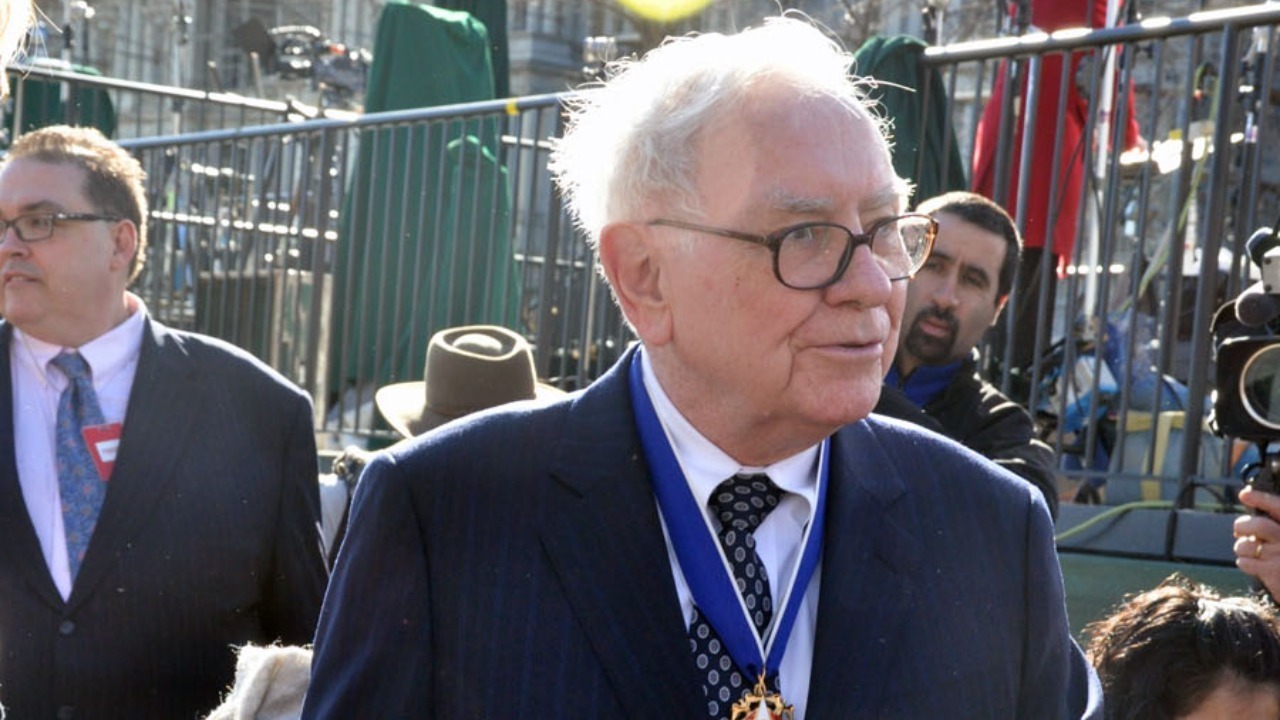
Investors are heading into 2026 with stretched valuations, rising uncertainty and a nagging fear that the next big downturn is getting closer. Warren Buffett has not predicted a specific crash, but his recent moves and comments amount to a blunt warning about how exposed many portfolios have become. I see his message as less about timing a collapse and more about preparing for a market that could punish complacency.
Rather than obsess over whether stocks will fall on a particular date, Buffett is urging investors to look hard at what they own, what they are paying for it and how they will behave when volatility returns. His guidance, and the way Berkshire Hathaway is positioned, offers a practical playbook for anyone worried about what 2026 might bring.
Buffett’s real message: valuations, not crystal balls
I do not see Buffett trying to call the next top, and the reporting around his views makes that clear. He has repeatedly stressed that even the best investors cannot reliably forecast when a crash will hit, which is why he focuses on buying businesses at sensible prices and holding them through cycles. Recent analysis of his comments underscores that he cannot predict market crashes, yet he has consistently encouraged investors to avoid following the crowd when optimism becomes extreme, a stance shaped by how herd behavior worsened losses during The Great Recession.
As 2026 approaches, the sharper edge in his tone is about valuations, not dates on a calendar. One detailed review of his guidance highlights that it is more important than ever to avoid overvalued stocks as prices expand, because paying too much even for a great company can lock in years of weak returns. That same reporting notes that having cash ready enables you to scoop up bargains when others are forced sellers, a point that fits neatly with his long standing preference for buying when fear is high and selling when euphoria dominates. In other words, his blunt warning is that stretched prices and complacent sentiment, not some mystical calendar effect, are what make the next downturn dangerous.
What Berkshire’s cash hoard is signaling about 2026
Buffett’s words matter, but his balance sheet may be sending an even louder signal. Berkshire Hathaway has been quietly but steadily increasing its cash and Treasury holdings, a choice that speaks volumes about how he views current opportunities. One recent breakdown of his positioning notes that Berkshire now has a larger cash position than at any point in its history, a fact that stands out in a market where many investors are fully invested and chasing incremental gains. As the analysis puts it, this is one of his not so subtle warnings to Wall Street that bargains are scarce and risks are rising.
For Buffett, hoarding cash is not a bearish bet on America, it is dry powder for the next wave of attractive deals. A closer look at his strategy as 2026 approaches describes how he is effectively telling investors in three key ways to be patient, keep standards high and resist the urge to stretch for returns. That same reporting explains that his growing cash pile is meant to protect Berkshire under pretty much all circumstances and to position it to act decisively when valuations reset. I read that as a clear hint that he expects better entry points ahead, even if he refuses to say when they will arrive.
Sentiment, the S&P 500 and why Buffett is turning contrarian
Buffett has always been a contrarian at heart, and the current backdrop gives him plenty of reasons to lean against the crowd. The SNPINDEX GSPC Index, better known as the S&P 500, has climbed to levels that embed very optimistic assumptions about growth and profits. One detailed review of his approach notes that Warren Buffett’s contrarian strategy says investors should be cautious because bullish sentiment itself can be a warning sign, especially when it coincides with rich valuations and rising macroeconomic headwinds. That same analysis points out that high interest rates can be a headwind to economic growth, which in turn can pressure earnings and justify lower multiples.
In that context, his subtle and not so subtle warnings for Wall Street take on added weight. A recent overview of his signals describes how he has been pointing to a valuation ratio that compares the total value of the stock market to the size of the economy, a metric that has historically flashed red before major downturns. As the piece notes, this ratio became known as a rough gauge of whether stocks are cheap or expensive, and it currently suggests that equities are priced for perfection. That is why the same analysis concludes that investors should consider what Buffett is doing, not just what he is saying, as 2026 approaches, because his cautious stance is grounded in data rather than vague unease.
How Buffett wants everyday investors to prepare
Buffett’s warning is not a call to hide in cash or try to sidestep every correction, it is a push to adopt habits that can survive a wide range of outcomes. One recent breakdown of his advice for 2026 emphasizes three practical steps that line up with his decades of letters and interviews. First, he wants investors to avoid overpaying for growth stories that depend on flawless execution. Second, he stresses the value of holding high quality businesses with durable advantages, the kind of companies that can keep compounding earnings even if the market mood darkens. Third, he encourages people to keep some liquidity so they are not forced to sell at the worst possible time, a theme that runs through his guidance on how to behave when volatility spikes.
Another detailed look at his playbook for a potential 2026 downturn reinforces those themes with historical context. It notes that Warren Buffett has smart advice for investors who worry about whether the stock market will crash in 2026, starting with the reminder that trying to jump in and out of the market usually backfires. Instead, he urges people to stay invested through cycles, focus on long term value and avoid the temptation to follow the crowd when fear or greed dominates. That same reporting recalls how his discipline during past crises, including the turmoil around The Great Recession, allowed Berkshire to deploy capital into strong businesses at attractive prices while others were forced to retreat. I see his current message as an invitation for everyday investors to adopt that same mindset rather than chase short term predictions.
What his blunt warning means for 2026 and beyond
When I put all of this together, I do not hear Buffett saying that stocks will definitely crash in 2026, I hear him saying that the odds of disappointment rise when prices and expectations detach from reality. His growing cash position, his emphasis on avoiding overvalued stocks and his reminders about the limits of market timing all point in the same direction. One synthesis of his recent comments notes that as 2026 gets closer, his warning is ringing louder because valuations have expanded and many investors have forgotten how painful deep drawdowns can be. That piece also highlights how having cash ready enables you to scoop up bargains when others are forced to sell, which is exactly how he has built Berkshire’s track record over decades.
For individual investors, the takeaway is both sobering and empowering. The sobering part is that no one, including Buffett, can tell you whether the next 12 months will bring a gentle pullback or a brutal bear market. The empowering part is that you do not need that forecast to make better decisions today. By focusing on price versus value, keeping some liquidity, resisting herd behavior and owning businesses you would be comfortable holding through a storm, you align yourself with the principles that have guided him through every cycle. His blunt warning for 2026 is not about fear, it is about discipline, and the investors who heed it now are likely to be the ones with the confidence and capital to act when the next real opportunity arrives.
Supporting sources: Warren Buffett Is, Warren Buffett’s subtle.
More From The Daily Overview

Grant Mercer covers market dynamics, business trends, and the economic forces driving growth across industries. His analysis connects macro movements with real-world implications for investors, entrepreneurs, and professionals. Through his work at The Daily Overview, Grant helps readers understand how markets function and where opportunities may emerge.

