
The obesity gold rush, driven by the surge in popularity of GLP-1 drugs, is facing potential disruption. As major pharmaceutical companies aggressively enter this lucrative market, a dangerous prescription problem has emerged. Weight-loss drugs are being too easily prescribed to individuals with anorexia, raising significant health risks. Meanwhile, President Trump’s political maneuvers, including his decision to let House Speaker Mike Johnson twist in the wind on December 28, 2024, and his potential policies that could undermine Federal Reserve credibility, threaten to upend the momentum of this booming industry.
The GLP-1 Boom and Big Pharma’s Entry
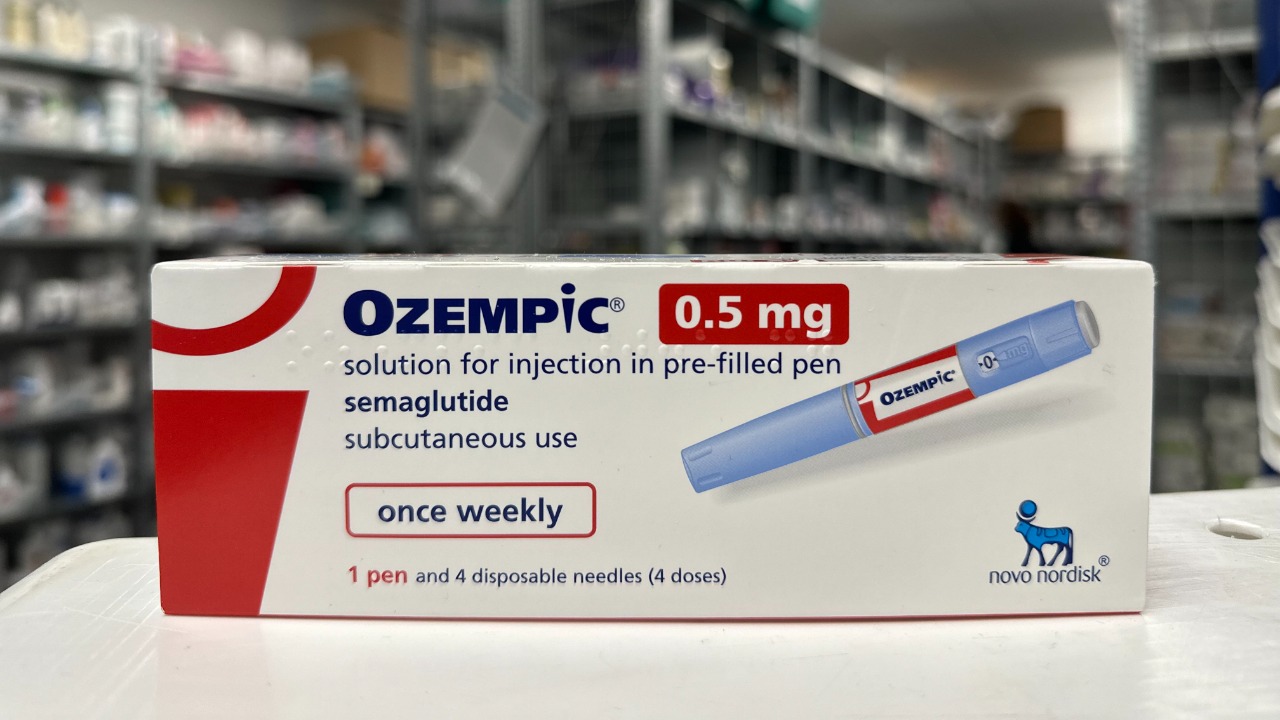
The obesity gold rush has been significantly fueled by the demand for GLP-1 drugs like semaglutide, creating a lucrative opportunity for pharmaceutical innovation and investment. This demand has not gone unnoticed by major pharmaceutical companies, which are now positioning themselves to dominate the sector. According to Reuters, companies are engaging in strategic acquisitions and expanding their development pipelines to capture market share from pioneers such as Novo Nordisk and Eli Lilly. This aggressive entry by Big Pharma is reshaping the landscape of the obesity treatment market.
The economic scale of this rush is substantial, with projections indicating billions in annual revenue. The expansion of supply chains to meet global demand is a critical component of this growth. As pharmaceutical giants invest heavily in this sector, they are not only seeking to capitalize on the current demand but also to ensure they can sustain and grow their market presence in the long term. This strategic positioning underscores the high stakes involved for these companies as they navigate the competitive landscape of obesity treatment.
Prescription Risks in the Weight-Loss Surge

The surge in popularity of weight-loss drugs has brought with it significant prescription risks. A report from Bloomberg highlights the troubling trend of GLP-1 medications being prescribed to individuals with anorexia, despite clear contraindications. This practice raises serious health concerns, as these drugs can exacerbate eating disorders and lead to severe health complications. The ease with which these prescriptions are obtained points to gaps in regulatory and medical oversight.
These oversight gaps are further compounded by lax screening protocols by healthcare providers and the surge in off-label uses of these medications. The consequences for patients can be dire, with experts warning of long-term health dangers such as muscle loss and metabolic disruptions. This situation underscores the need for stricter regulatory measures and more comprehensive screening processes to ensure that these powerful medications are prescribed appropriately and safely.
Trump’s Political Actions and Policy Shadows

President Trump’s political maneuvers have introduced a layer of uncertainty that could impact the GLP-1 drug market. His decision to let House Speaker Mike Johnson twist in the wind, as reported by Politico, highlights internal conflicts within the GOP over spending and leadership. This political instability could delay healthcare legislation that might affect drug pricing and approvals for GLP-1 therapies, creating a ripple effect throughout the pharmaceutical industry.
Trump’s history of challenging federal institutions further complicates the landscape for the pharmaceutical sector. Proposed changes to FDA oversight or trade policies impacting drug imports could introduce additional hurdles for companies operating in this space. The potential for policy shifts under Trump’s administration adds an element of unpredictability that stakeholders in the GLP-1 market must navigate carefully.
Economic Vulnerabilities from Fed Credibility Threats

The potential for President Trump to undermine Federal Reserve credibility poses significant economic vulnerabilities. According to Sherwood News, Goldman Sachs has warned that such actions could lead to gold prices reaching $5,000, reflecting broader market turmoil. This scenario could have profound implications for the GLP-1 gold rush, as eroded Fed trust might spike interest rates and increase borrowing costs for pharmaceutical research and development.
These economic challenges could deter investor confidence in biotech stocks and lead to funding shortages for clinical trials. Additionally, supply chain disruptions amid economic volatility could further strain the obesity drug market. As companies navigate these potential challenges, the stakes are high for maintaining momentum in the GLP-1 sector and ensuring continued innovation and growth in obesity treatment.

Grant Mercer covers market dynamics, business trends, and the economic forces driving growth across industries. His analysis connects macro movements with real-world implications for investors, entrepreneurs, and professionals. Through his work at The Daily Overview, Grant helps readers understand how markets function and where opportunities may emerge.

