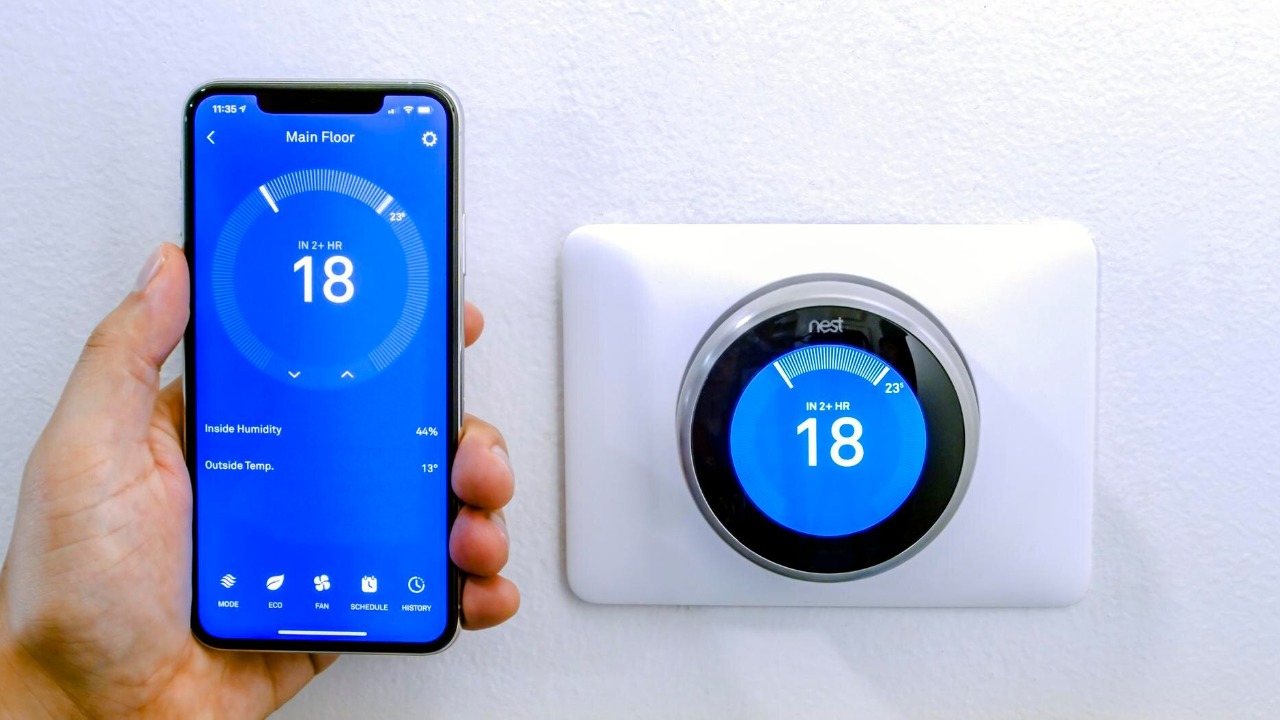
As winter approaches, many households are bracing for a potential 7 percent increase in power bills. This rise is attributed to various factors, including approved rate hikes for utility companies like Duke Energy. However, there are effective strategies to mitigate these costs. By optimizing thermostat settings, investing in space heaters, and reviewing utility provider options, you can manage your energy expenses more efficiently this season.
1) Optimize Your Thermostat Settings
Adjusting your thermostat settings can significantly impact your heating bill. The U.S. Department of Energy suggests that turning your thermostat back 7°-10°F for eight hours a day can save up to 10 percent annually on heating costs. This simple adjustment targets heating only the rooms you occupy, reducing unnecessary energy use. By focusing on specific areas, you can maintain comfort while cutting costs.
Additionally, setting your thermostat between 68 and 70 degrees, as recommended by NBC’s Vicky Nguyen on TODAY, can further enhance savings. This range balances comfort and efficiency, ensuring your home remains cozy without excessive energy consumption. Implementing these settings can make a noticeable difference in your winter heating expenses.
2) Invest in a Targeted Space Heater
Space heaters offer a practical solution for reducing heating costs. According to an analysis on CNET, using a space heater in specific areas can lower your overall heating bill. By concentrating heat where it’s needed most, you avoid the expense of heating unoccupied spaces.
This approach is particularly beneficial during the winter months when energy demands are high. Space heaters provide targeted warmth, allowing you to maintain a comfortable environment without overburdening your central heating system. This strategy not only reduces costs but also enhances energy efficiency in your home.
3) Limit Whole-Home Heating Usage
Focusing energy on occupied spaces is a key strategy for managing winter heating costs. By limiting whole-home heating, you can allocate resources more effectively. This approach aligns with the efficiencies highlighted in the space heater analysis, which demonstrates significant savings potential.
Reducing energy waste is crucial, especially during peak winter months. By concentrating heating efforts on areas where you spend the most time, you can minimize unnecessary energy consumption. This targeted approach not only cuts costs but also supports a more sustainable energy use model.
4) Review Your Utility Provider Options
For Duke Energy customers, the approved rate hike to cover storm costs is a significant factor in rising bills. As reported by ClickOrlando, this increase underscores the importance of exploring efficiency upgrades. By reviewing your utility provider options, you can identify potential savings opportunities.
Consider investing in energy-efficient appliances or exploring alternative energy sources. These measures can help offset the impact of rate hikes, ensuring your energy expenses remain manageable. Staying informed about utility changes and adapting accordingly is essential for effective cost management.
5) Audit Post-Storm Energy Needs
After significant storm events, energy demands can shift, prompting rate hikes to cover associated costs. Insulating your home better can reduce future heating demands, as highlighted in the context of Duke Energy’s rate adjustments. By addressing insulation and sealing drafts, you can enhance your home’s energy efficiency.
Weatherizing your home properly can save about 30 percent on your energy bill, according to the Department of Energy, as noted by Consumer Reports. This proactive approach not only lowers costs but also contributes to environmental sustainability by reducing emissions.
6) Check Regional Regulatory Impacts
In Florida, where utility regulators approved the Duke Energy rate adjustment, it’s crucial to prioritize low-energy appliances. This strategy helps counter localized bill pressures resulting from regulatory changes. By investing in energy-efficient devices, you can mitigate the impact of rate increases.
Understanding regional regulatory impacts allows you to make informed decisions about energy use. By aligning your consumption with efficiency standards, you can maintain control over your energy expenses, even in the face of rising rates.
7) Budget for Anticipated Increases
Preparing for the anticipated 7 percent rise in winter power bills involves sealing drafts and implementing cost-cutting measures. This proactive approach is essential for managing increased expenses. By addressing potential energy leaks, you can enhance your home’s efficiency and reduce heating costs.
Budgeting for these increases ensures you remain financially prepared for higher bills. By taking steps to improve energy efficiency, you can offset the impact of rising costs and maintain a comfortable living environment throughout the winter months.
More From TheDailyOverview
- Dave Ramsey says these two simple questions show whether you’re rich or poor
- Retired But Want To Work? Try These 18 Jobs for Seniors That Pay Weekly
- IRS raises capital gains thresholds for 2026 and what’s new
- 12 ways to make $5,000 fast that actually work

Cole Whitaker focuses on the fundamentals of money management, helping readers make smarter decisions around income, spending, saving, and long-term financial stability. His writing emphasizes clarity, discipline, and practical systems that work in real life. At The Daily Overview, Cole breaks down personal finance topics into straightforward guidance readers can apply immediately.
