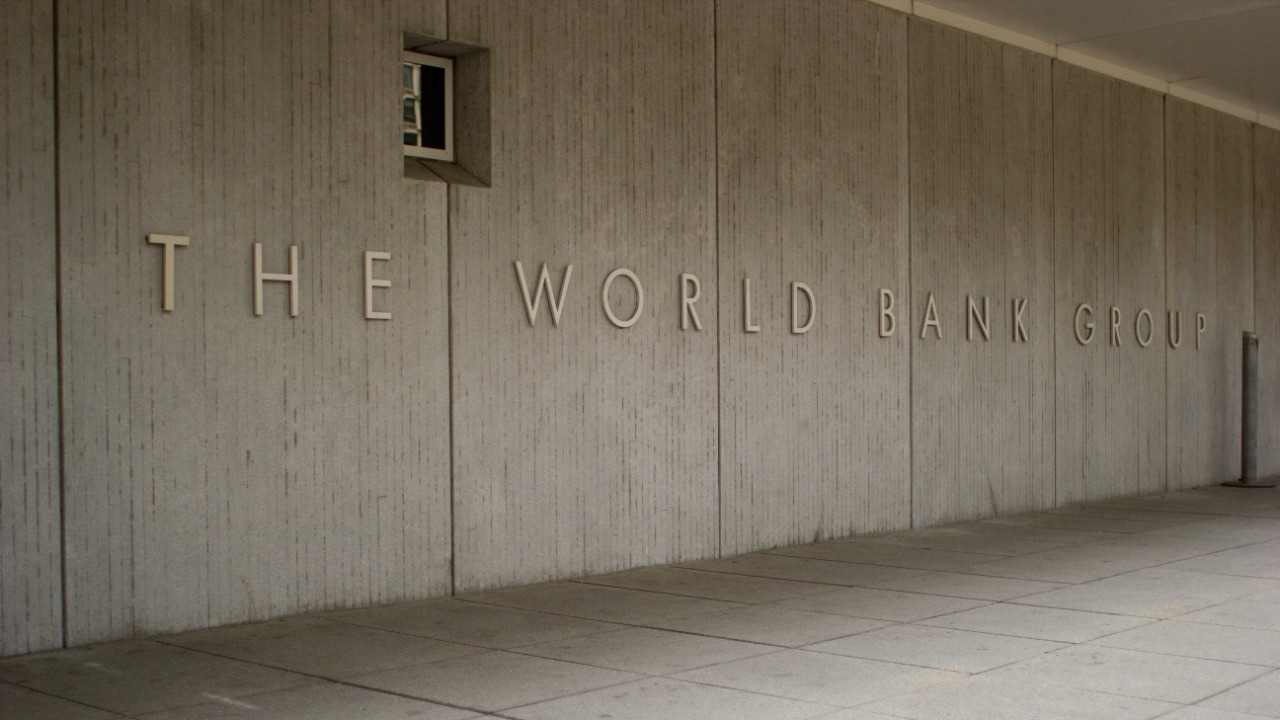
The World Bank is sounding the alarm on a mounting debt squeeze in poorer nations, warning that the gap between what they owe and what they can borrow has widened to a 50-year extreme. The strain is most acute in emerging and developing economies that must juggle higher global interest rates, weaker growth, and a shrinking pool of affordable finance just as social and climate needs intensify.
At its core, the warning is simple but stark: the world’s most vulnerable borrowers are paying more, getting less, and running out of room to maneuver. The result is a debt overhang that threatens to slow investment, deepen inequality, and test the global financial architecture built to prevent exactly this kind of crisis.
The 50-year debt gap and why it matters now
The World Bank’s central message is that the space between what developing countries must repay and the fresh money they can raise has blown out to a 50-year high, a sign that the basic math of their public finances no longer adds up. When repayments outstrip new inflows at this scale, governments are forced into hard trade-offs, cutting investment, squeezing social spending, or resorting to short-term fixes that only deepen the problem later. The Bank’s latest assessment describes how Developing nations face a severe financing squeeze even as their needs grow.
What makes this moment different from earlier debt cycles is the combination of higher global interest rates, weaker growth, and a world still absorbing the economic scars of the pandemic. The World Bank notes that the gap between repayments and new financing has surged even as total external obligations climbed to a record $8.9 trillion in 2024, a figure that underscores how much more debt has to be rolled over or refinanced each year. That record stock of liabilities, highlighted in the Bank’s warning that the Debt gap rises to 50-year high in developing countries, means even small shifts in borrowing costs can translate into billions of dollars in extra payments.
How higher rates turned relief into renewed pressure
For a brief period, many low and middle income borrowers appeared to gain breathing room as global interest rates peaked and inflation began to ease. That respite has proved deceptive. The World Bank’s analysis of the current cycle stresses that while headline inflation has moderated, the cost of servicing bond debt remains near 10 percent, roughly about double those before 2020, locking countries into a far more expensive funding environment. The institution’s warning that most countries only “gained some breathing room” while facing interest rates about double those before 2020 captures how quickly relief has flipped back into pressure.
That shift matters because debt sustainability is not just about how much a country owes, but what it pays to roll that debt over. When bond yields hover near 10 percent, even governments with relatively prudent fiscal positions can see their interest bills crowd out other priorities. The World Bank has underlined that this new normal in borrowing costs is colliding with a shrinking set of options for refinancing, as investors demand higher risk premiums and official lenders grow more cautious. Its warning that the developing world is “not out of danger” as debt costs hit record levels reflects a concern that the current rate environment could harden into a structural drag on growth.
Emerging markets’ record repayment wall
Behind the World Bank’s headline warning sits a more granular reality: emerging economies are staring at a wall of principal and interest payments that is higher than anything they have faced in modern history. External obligations that once looked manageable when global rates were near zero now consume a far larger share of export earnings and tax revenues. Reporting on this trend notes that Emerging economies are facing an unprecedented increase in external debt obligations, with repayments of principal and interest rising sharply just as growth in many of these markets slows.
That repayment wall is not just a macroeconomic abstraction. When governments must prioritize bondholders, they often do so at the expense of public investment and basic services. The same analysis that tracks record external payments also highlights the human cost, noting that higher debt service can crowd out spending on essentials such as the diet required for basic health. As the World Bank tallies the widening gap between what is owed and what can be borrowed, it is effectively warning that the current trajectory risks turning sovereign balance sheets into a direct threat to living standards in the very countries that can least afford another shock.
India’s relatively moderate rise and what it signals
Not every large developing borrower is in immediate danger, and that contrast is part of the story. India, for example, has seen its external debt rise only moderately even as the World Bank has sounded a broader alarm on rising vulnerabilities across the developing world. The same assessment that documents the 50-year high in the debt gap notes that India’s external debt saw a moderate increase even as the World Bank sounded an alarm on the broader trend, underscoring that country specific fundamentals still matter.
India’s position illustrates how a combination of domestic capital markets, relatively strong growth, and more cautious external borrowing can soften the blow of a tougher global environment. Yet even in such cases, the broader context of a record $8.9 trillion in developing country external debt and a 50-year high in the financing gap means that no major borrower is entirely insulated from shifts in investor sentiment. If global risk appetite turns, even countries with moderate external debt increases can find themselves paying more to roll over obligations or facing pressure on their currencies, a dynamic that the World Bank’s sweeping warning is designed to preempt.
Why the World Bank says the danger is systemic
The World Bank is not just flagging isolated distress; it is arguing that the current debt dynamics in developing economies amount to a systemic risk. Its latest communication stresses that the gap between repayments and new financing has widened across a broad swath of countries, not just a handful of outliers. That breadth is captured in the Bank’s own summary that the World Bank warns on developing nations’ debt as the shortfall between what they owe and what they can raise reaches levels not seen in half a century.
From the Bank’s perspective, the danger is that a series of country level problems could interact, amplifying each other through trade, financial markets, and migration. If several large borrowers are forced into restructuring or severe austerity at the same time, the result could be weaker global demand, higher risk premiums for all emerging issuers, and renewed pressure on multilateral lenders. That is why the institution has paired its warning with calls for more predictable restructuring frameworks and greater use of concessional finance, even as it acknowledges that the political appetite for large scale relief is limited.
Bond markets, 10 percent yields, and shrinking options
One of the clearest signals of stress is in sovereign bond markets, where yields for many developing issuers have climbed to levels that would have been unthinkable a decade ago. The World Bank has highlighted that interest rates on bond debt are near 10 percent, roughly double those before 2020, a shift that fundamentally alters the calculus of borrowing. Its warning that the developing world is “not out of danger” comes with a stark reminder that interest rates on bond debt near 10% – roughly double those before 2020 have arrived just as many countries need billions of dollars in new issuance to refinance maturing obligations.
Higher yields would be challenging enough if market access were guaranteed, but the World Bank notes that options for refinancing are narrowing. Some countries have been effectively priced out of international bond markets, forced instead to rely on shorter term domestic borrowing or opaque bilateral deals that can store up future problems. Others can still issue, but only at spreads that make long term sustainability questionable. In this environment, the 50-year high in the debt gap is not just a statistic; it is a reflection of a world in which the traditional escape valve of rolling over debt on reasonable terms is closing for many of the poorest and most vulnerable borrowers.
Foreign currency debt and the risk of crisis
Behind the aggregate numbers lies a structural vulnerability that has haunted emerging markets for decades: the heavy use of foreign currency borrowing. When governments and firms owe money in dollars or euros but earn revenues in local currency, any depreciation can quickly inflate the real burden of debt. Long run research on this pattern finds that the share of obligations denominated in foreign currency is a key predictor of crisis risk, with one influential study concluding that The lesson appears to be that sound debt management at the micro or macro level, financial development, and sustainable policies can mitigate the risks associated with a high percentage of debt denominated in foreign currency.
That insight is particularly relevant as the World Bank warns of a 50-year high in the debt gap. Many of the countries now under pressure built up foreign currency liabilities during years of low global rates, often assuming that exchange rates and growth would remain supportive. As conditions have tightened, those assumptions have been tested. Where domestic financial systems are shallow and hedging tools limited, even a modest currency slide can turn a manageable debt profile into a crisis. The Bank’s call for better debt management and more transparent reporting is, in part, an attempt to reduce the likelihood that hidden foreign currency exposures will trigger sudden stops and disorderly defaults.
Fiscal policy, excessive borrowing, and the limits of resilience
While global conditions have clearly worsened, the World Bank’s warning also implicitly acknowledges that domestic policy choices matter. Some governments entered this period with already stretched balance sheets, having used cheap money to finance persistent deficits rather than one off investments. Research on sovereign risk has long argued that even advanced economies can run into trouble if fiscal policy becomes excessive, with one analysis noting that Of course in case of excessive fiscal policy even a developed country may face severe consequences, although stronger institutions and deeper markets often delay the reckoning.
For many developing and emerging economies, that buffer is far thinner. Weak tax bases, limited domestic investor pools, and governance challenges mean that fiscal slippage can quickly translate into higher borrowing costs and currency pressure. The World Bank’s focus on the 50-year high in the debt gap is therefore also a call for better fiscal discipline and more strategic use of scarce borrowing space. In practice, that means prioritizing investments that raise long term growth, improving revenue collection, and avoiding the temptation to rely on short term external borrowing to plug structural budget holes.
What a path out of the 50-year high could look like
Escaping a debt trap of this scale will require more than incremental tweaks. The World Bank’s warning implies a need for coordinated action across creditors, borrowers, and multilateral institutions to reduce the stock of unsustainable debt and improve the terms on what remains. That could include more predictable restructuring frameworks, expanded concessional lending for the poorest countries, and incentives for private creditors to participate in relief without fearing that they will be undercut by official lenders. The Bank’s own emphasis on sound debt management and sustainable policies suggests that any durable solution will have to combine external support with domestic reforms that rebuild credibility.
At the same time, the experience of countries like India, which has seen only a moderate rise in external debt even as the broader developing world faces a 50-year high in the financing gap, shows that policy choices can make a difference. Strengthening local capital markets, reducing reliance on foreign currency borrowing, and anchoring fiscal policy in realistic revenue projections can all help rebuild resilience. The World Bank’s message is that the current trajectory is not inevitable, but changing it will require confronting hard truths about how much debt is sustainable, who bears the cost of adjustment, and how the global financial system shares the risks of development in a world of higher rates and tighter money.
More From TheDailyOverview
- Tennessee loses $2.6B megafactory and faces major layoffs
- Retired But Want To Work? Try These 18 Jobs for Seniors That Pay Weekly
- What to do with your pennies after the U.S. stops minting them
- Home Depot CEO warns of a troubling customer trend in stores

Grant Mercer covers market dynamics, business trends, and the economic forces driving growth across industries. His analysis connects macro movements with real-world implications for investors, entrepreneurs, and professionals. Through his work at The Daily Overview, Grant helps readers understand how markets function and where opportunities may emerge.

