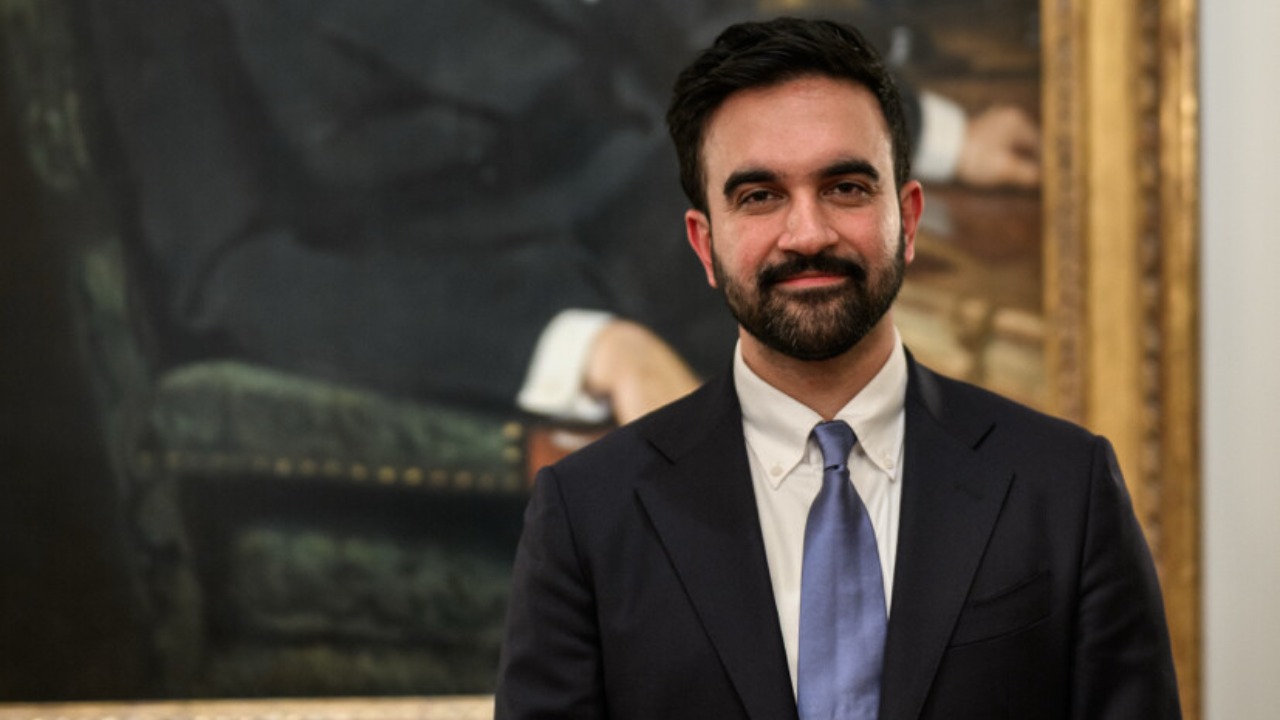
Zohran Mamdani is stepping into City Hall with a paycheck that instantly vaults him into the top tier of public earners in New York government, and it is a dramatic jump from what he made in Albany. His new compensation, just shy of $260,000 a year, represents roughly an 80 percent increase over his prior salary as a state assembly member and crystallizes the stakes in the city’s long running debate over how much its leaders should be paid. The question now is whether New Yorkers will see that money as a fair price for leadership in one of the world’s most expensive cities or as a symbol of a political class drifting away from the financial realities of everyday residents.
The size of the jump: from Assembly pay to nearly $260K
As a state lawmaker, Zohran Mamdani earned a salary that was substantial by most standards but modest compared with what awaits him at City Hall. Reporting on his transition notes that he is “about to” earn a mayoral salary that is nearly 80 percent higher than what he brought home as a state assemblyman, a leap that underscores how sharply compensation rises when a politician moves from the Legislature to the city’s top job in NYC. That jump is not just a talking point, it is a concrete reminder of how steep the ladder is between representing a district in Queens and running the entire five boroughs.
The benchmark for Mamdani’s new pay is the compensation collected by his predecessor, Mayor Eric Adams, who earned a total of $258,750 according to public payroll records. New York City Mayor Zohran Mamdani is set to earn nearly $260,000 a year, effectively matching that figure and locking in the mayoralty as one of the best compensated roles in city government. In becoming the new mayor of NYC, his daily pay rate works out to hundreds of dollars per day, a level that will inevitably be compared with what teachers, sanitation workers, and subway staff earn for keeping the city running.
Perks of the office: Gracie Mansion and the hidden value of housing
The mayor’s salary is only part of the story, because the job comes bundled with perks that would be out of reach for most New Yorkers even on a six figure income. Zohran Mamdani will earn an annual salary of $258,750 and move into a rent free mansion overlooking the East River, a combination that dramatically changes his personal balance sheet. That mansion, Gracie Mansion, sits in an Upper East Side neighborhood where typical apartments already strain middle class budgets, and the ability to live there without paying rent is a benefit that does not show up on a W-2 but matters in real life.
Coverage of the move notes that he will also relocate into official housing where the estimated monthly rent would otherwise be about $2,300, a figure that is itself lower than what many market rate tenants pay in the same borough. A separate breakdown of the role describes a $258,750 salary paired with rent free living as the core perks Zohran Mamdani is set to get as NYC mayor, illustrating how the compensation package extends beyond a single headline number. For a city where housing costs routinely dominate household budgets, the contrast between a rent free mansion and cramped apartments in Queens or the Bronx is likely to shape how voters perceive the fairness of the mayor’s deal.
Cost of living and the case for a high mayoral salary
Supporters of a robust mayoral paycheck argue that context matters, and in New York that context starts with the cost of simply existing in the city. New York City consistently ranks among the most expensive cities in the country, with housing costs far above the national average and basic expenses that quickly erode even solid middle class incomes in New York City. In that environment, advocates say, paying the mayor roughly a quarter of a million dollars is less about luxury and more about ensuring that the person responsible for a $100 billion plus budget is not distracted by personal financial strain.
There is also a symbolic argument that the city’s top executive should not be dramatically underpaid relative to private sector leaders who oversee far smaller operations. Zohran Mamdani, who was Sworn In as Mayor of New York City after building a profile as a progressive state lawmaker, now has to manage everything from policing to public housing to climate resilience. Proponents of his new pay level argue that if the city wants to attract and retain capable leaders, it has to offer a salary that reflects the scale and complexity of the job, even if that means an 80 percent jump from what he earned in the Assembly.
Political optics: raises, resentment, and Council pressure
Generous pay at the top of city government does not exist in a vacuum, and the politics around compensation are already swirling around Mamdani’s first months in office. Earlier, the Council pressed ahead with a pay raise effort for its own members, even as Mamdani and allies such as Julie Menin stayed publicly quiet about whether they would support or oppose the move. That silence was not cost free, because any decision the mayor makes on Council salaries risks angering one side of the political equation, either colleagues inside City Hall or voters outside it who are wary of politicians voting themselves higher pay.
The broader debate over compensation extends beyond the mayor and Council to the rest of the city’s political class. A bill introduced by Councilwoman Nantasha Williams, D-Queens, would raise members’ salaries from $148,500 to $172,500, while discussion around the mayor’s own compensation has referenced a current $258,000 level. For a public already skeptical of political insiders, the optics of simultaneous raises for the mayor and Council members could fuel resentment, especially if wage growth for city workers and private sector employees does not keep pace.
Mamdani’s message: progressive agenda, personal pay, and public expectations
Zohran Mamdani has tried to frame his new compensation within a broader narrative about what he intends to do with the power that comes with it. After he is sworn in at City Hall, he has signaled that he wants to focus on delivering the agenda New Yorkers voted for, a message captured in coverage that urges readers to Follow Bryan Metzger for updates on how that agenda unfolds. New York City Mayor Zohran Mamdani is set to earn nearly $260,000 a year, in line with the salary paid to his predecessor, and he has indicated that he plans to donate a portion of it, a gesture aimed at aligning his personal finances with the progressive values he championed as a state lawmaker.
At the same time, the sheer size of the pay increase and the visibility of perks like a rent free mansion give his critics an easy line of attack if they feel his administration falls short. Zohran Mamdani will earn an annual salary of $258,750 and enjoy the trappings of office in NYC, even as he kicks off his mayorship by trying to solve one big consumer problem that affects everyday residents. The tension between a mayor’s personal compensation and his promises to tackle affordability, consumer protection, and inequality will define how voters judge whether that nearly 80 percent pay jump was a reasonable investment or a symbol of a political system that pays itself first and asks questions later.
More From The Daily Overview

Grant Mercer covers market dynamics, business trends, and the economic forces driving growth across industries. His analysis connects macro movements with real-world implications for investors, entrepreneurs, and professionals. Through his work at The Daily Overview, Grant helps readers understand how markets function and where opportunities may emerge.

