
Mark Zuckerberg, the CEO of Meta Platforms, has been making waves in Palo Alto with his real estate investments, amassing 11 homes totaling $110 million over the past 14 years. This ambitious expansion has sparked concerns among his neighbors, leading to growing unease in the affluent Silicon Valley community.
The Rise of Zuckerberg’s Real Estate Empire

Since 2009, Zuckerberg has strategically acquired properties in Palo Alto, beginning with his primary residence. Over the years, he has continued to purchase surrounding homes, a move that has been interpreted as an effort to ensure privacy and security. This purchasing spree has raised questions about the motivations behind these acquisitions and what they mean for local residents.
The strategy appears to hinge on creating a buffer zone around his main residence to prevent encroachment and maintain a secure environment. Additionally, these purchases may be part of a longer-term development plan, although specifics have not been made public. Financially, the $110 million spent on these 11 properties reflects Palo Alto’s premium real estate market, where each home can command several million dollars.
Community Reactions and Concerns

The community’s response to Zuckerberg’s acquisitions has been mixed. Some neighbors have expressed frustration, feeling that the expanding compound disrupts the neighborhood’s character. In a recent interview, one resident mentioned, “It feels like the neighborhood is slowly being taken over, and it’s changing the way we interact with each other.”
These changes have impacted social dynamics, as some residents feel less inclined to engage in community activities, given the presence of a high-profile figure like Zuckerberg. Moreover, the real estate market has felt the effects of these acquisitions. Property values in the vicinity have surged, creating a ripple effect that may price out long-term residents who cannot keep up with escalating property taxes and living costs.
Legal and Regulatory Challenges

Zuckerberg’s real estate maneuvers have not been without legal hurdles. Palo Alto’s zoning laws and development regulations have posed challenges, requiring careful navigation to ensure compliance. For instance, any plans for construction or significant alterations to existing properties must adhere to strict city guidelines, which can often lead to lengthy approval processes.
The local government, particularly the city council, has been actively monitoring these developments. In some cases, they have intervened to ensure that neighborhood interests are protected. The balance between privacy rights for high-profile individuals and the community’s right to maintain its character remains a contentious issue. Legal precedents in such cases often set the tone for future interactions between tech elites and their communities.
The Broader Implications on Silicon Valley
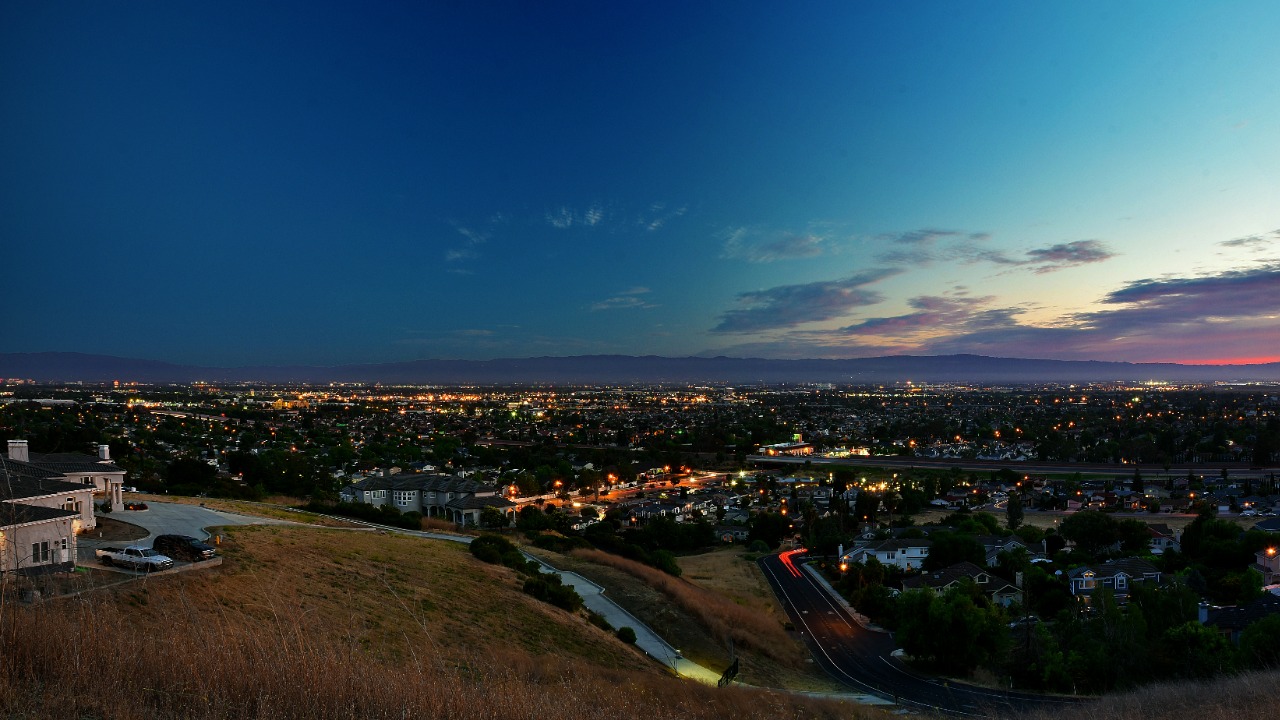
Zuckerberg’s actions are symptomatic of broader trends within Silicon Valley, where tech elites increasingly influence local real estate markets. This pattern raises questions about wealth disparity and the visible impact of income inequality on community landscapes. As tech giants consolidate wealth and resources, the gap between affluent newcomers and existing residents widens, leading to potential social tensions.
Looking ahead, these developments could signal a shift in neighborhood dynamics. Communities may need to adapt to the influx of tech wealth, possibly leading to changes in zoning laws and community planning. Predictions suggest that neighborhoods may evolve to accommodate these shifts, but not without potential resistance from those who feel marginalized by such changes.
Zuckerberg’s Public Relations Strategy

In response to the growing backlash, Zuckerberg has taken steps to address neighbor concerns and manage media scrutiny. His public relations strategy has involved direct communication with residents and proactive engagement in community matters. For example, Zuckerberg’s team has met with local leaders to discuss potential collaborations and community benefits.
Moreover, Meta’s broader community engagement initiatives aim to improve public perception. These efforts include investments in local infrastructure and support for community projects. Furthermore, platforms like Facebook play a crucial role in shaping narratives, allowing Zuckerberg to directly address concerns and share updates on his plans.
As Zuckerberg continues to navigate these challenges, the outcome of his real estate ventures will undoubtedly influence future interactions between tech leaders and the communities they inhabit. Whether these efforts will assuage neighbor concerns and foster a more harmonious relationship remains to be seen.

Elias Broderick specializes in residential and commercial real estate, with a focus on market cycles, property fundamentals, and investment strategy. His writing translates complex housing and development trends into clear insights for both new and experienced investors. At The Daily Overview, Elias explores how real estate fits into long-term wealth planning.

