Cheap housing and low grocery bills can look irresistible on paper, but some places are discounted for reasons that go far beyond a tight budget. I am focusing here on U.S. towns where crime, pollution, entrenched poverty or public health crises are so severe that the savings can quickly feel like a trap, turning “affordable” into a daily grind of stress and risk.
1) Detroit, Michigan
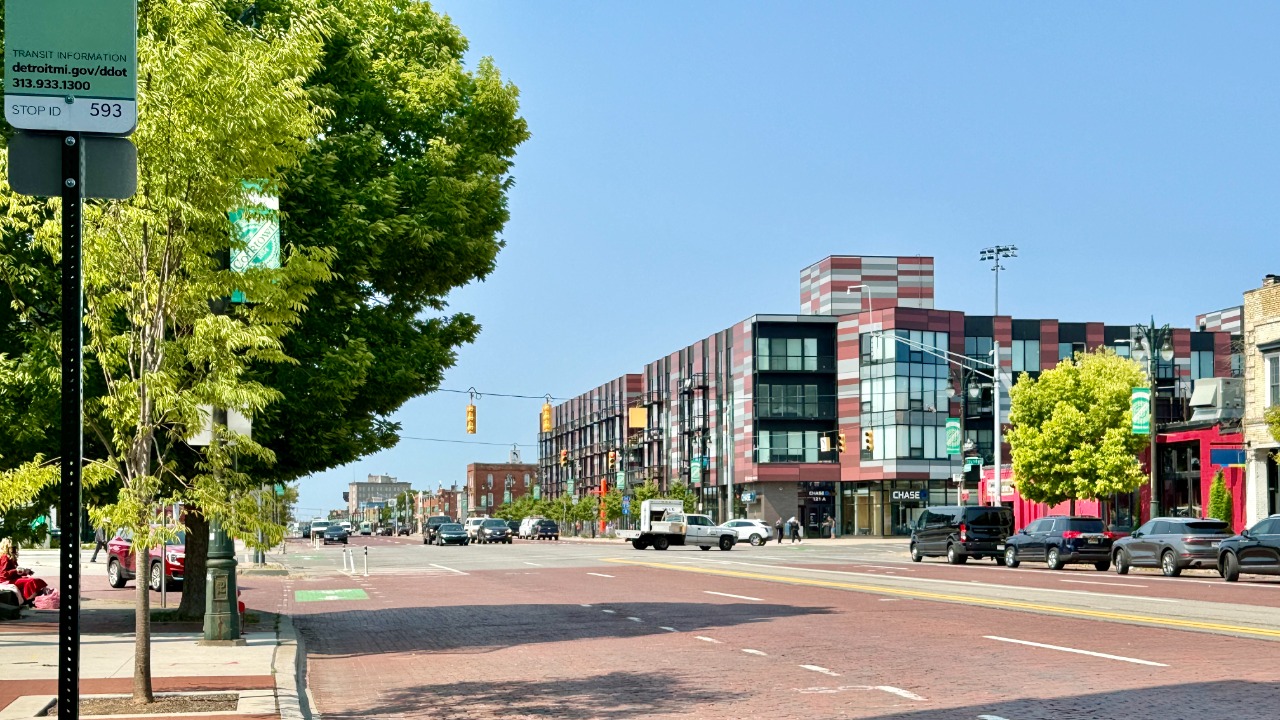
Detroit, Michigan is often held up as a bargain, with a cost of living index about 15 percent below the national benchmark of 100 and a reported Monthly cost of living of $2,485 for typical residents. Yet the same reporting that ranks Detroit as the most miserable U.S. city notes a violent crime rate of 2,056 incidents per 100,000 residents in 2023, a level of danger that overshadows the savings. Another analysis of affordable cities in America lists Detroit, Michigan among the cheapest big-city options, reinforcing how sharply its prices undercut other metros.
That disconnect, low costs paired with high risk, is what can make Detroit feel punishing rather than promising for newcomers who move purely for a deal. Even if rent and utilities are manageable, the constant calculation about which neighborhoods feel safe, whether a late shift is worth the walk to a bus stop, or how property values will hold up in high-crime corridors can wear people down. When a city is cheap largely because many households with options have already left, the discount becomes a warning sign rather than a perk.
2) Memphis, Tennessee
Memphis, Tennessee combines a cost of living about 18 percent below the national average with one of the highest violent crime rates in the country, at 2,421 incidents per 100,000 residents in 2022. Budget-focused coverage highlights Memphis as a place where a Monthly budget of roughly $2,749 can cover basic expenses, and a separate ranking of affordable cities in America places it alongside Detroit and Cleveland as a standout for low prices. Yet those same low costs coexist with a reputation for deadly violence that has become central to the city’s national image.
For residents, that tradeoff is not abstract. Neighborhoods that look attractive on a spreadsheet can feel very different when gunfire, carjackings or robberies are part of the weekly news cycle. Families weighing a move may find that the money saved on rent is quickly offset by higher insurance premiums, security upgrades and the emotional toll of worrying about kids walking to school. When affordability is driven in part by people fleeing danger, the bargain can come at a steep personal cost.
3) Birmingham, Alabama
Birmingham, Alabama posts a cost of living index of 85, roughly 15 percent below the national standard, which makes it look like a classic Southern value play. FBI data, however, put its murder rate at 52.6 per 100,000 residents in 2022, an extraordinarily high figure for a mid-sized city. Even casual observers have noticed the pattern, with one online discussion bluntly arguing that Birmingham Alabama is cheap because it has a bad job market AND high crime, capturing how intertwined safety and economic stagnation have become in the local narrative.
That combination of limited opportunity and lethal violence can make day-to-day life feel precarious. Workers who stay may do so because they lack the savings or social networks to relocate, not because they see long-term upside. When a city’s main selling point is that it is inexpensive precisely because many employers and higher earners have left, the low cost of living can feel less like a benefit and more like a symptom of deeper decline.
4) Flint, Michigan
Flint, Michigan is one of the starkest examples of a place that is cheap for reasons no one would choose. Since 2014, the city has faced an ongoing water contamination crisis tied to lead and other pollutants in its drinking supply, a failure that federal environmental regulators have documented in detail. The consequences have been deadly, including a Legionnaires’ disease outbreak that killed 12 people in 2015, and the long-term health effects for children exposed to tainted water are still being studied. At the same time, Flint’s cost of living sits about 22 percent below the national average, making housing and daily expenses look deceptively attractive.
For residents, the discount is inseparable from the trauma of not being able to trust what comes out of the tap. Even as some infrastructure work proceeds, the stigma of the crisis has depressed property values and discouraged outside investment, reinforcing the cycle of low prices and limited prospects. Moving to Flint for a bargain means stepping into a community still grappling with broken trust in government, chronic health worries and a tax base too weak to fix problems quickly, all of which can make life feel relentlessly stressful.
5) Gary, Indiana
Gary, Indiana illustrates how a city can become cheap as it empties out. Census data show that Gary’s population fell by 25 percent between 2010 and 2020, a staggering loss that has left entire blocks dotted with vacant lots and boarded-up homes. The cost of living index, at 78, reflects how far housing and basic expenses have dropped below national norms. Yet in 2023, the local unemployment rate still hovered around 12.5 percent, compared with a national rate of 3.8 percent, underscoring how few stable jobs remain for those who stay.
That imbalance, rock-bottom prices paired with scarce work, can give the city a ghost-town feel. Municipal services struggle when the tax base shrinks, so residents may face deteriorating roads, slow emergency response times and underfunded schools. While some commentators celebrate dirt-cheap towns that are still livable, even upbeat lists of dirt cheap towns tend to skip places where economic collapse is this severe. In Gary, the low cost of entry often signals how hard it can be to build a future.
6) Youngstown, Ohio
Youngstown, Ohio has been living with the fallout of deindustrialization since its steel mills began closing in the 1970s, and the numbers show how deep the damage runs. Census data put the city’s poverty rate at about 40 percent in 2022, one of the highest in the nation, while its cost of living sits roughly 20 percent below the national average. One financial analysis notes that in Youngstown, Ohio the cost of living is only 20.29% of the median household income, suggesting that on paper, residents should have room to breathe. Earlier coverage even marveled that, In Youngstown, Ohio, Billie Briggs said you could buy almost three houses for the price of one in other markets.
Those statistics, however, mask how limited the local job market has become and how hard it is to escape entrenched poverty. Cheap Home prices do not help much if wages are low, public services are strained and young people see few reasons to stay. When a city is held up as a place where you could quit your job because expenses are so low, that can signal a lack of high-skill work rather than a sustainable lifestyle. The result is a community where affordability coexists with chronic hardship, making it easy to feel stuck.
7) Camden, New Jersey
Camden, New Jersey sits directly across the river from a major East Coast economic hub, yet its own residents face a very different reality. Recent crime data show that, even after improvements, Camden still records a violent crime rate of about 1,800 incidents per 100,000 residents, far above national norms. The city’s median income is only $28,000, compared with a national figure around $70,000, while its cost of living index of 92 keeps prices slightly below average but not dramatically so. That means many households are squeezed between modest expenses and extremely limited earnings.
The proximity to opportunity without full access to it can be particularly demoralizing. Commuters pass through on their way to better-paying jobs, while Camden’s own tax base struggles to support schools, transit and public safety at the level residents need. Lists of miserable American cities often start by noting how places like Plainfield, New Jersey, with a population of around 50,000 where 70% of people struggle, reflect broader inequality, and Camden fits that pattern. When a city is both dangerous and underpaid, a slightly discounted rent does little to offset the daily grind.
8) St. Louis, Missouri
St. Louis, Missouri offers a cost of living roughly 10 percent below the national average, a tempting figure for anyone priced out of coastal metros. Yet the city also posts the highest per capita murder rate in the country, at 69.4 homicides per 100,000 residents in 2023, according to local crime reporting. That level of violence shapes everything from where families feel comfortable renting to how businesses decide where to invest. Even neighborhoods that have seen new restaurants and renovated lofts remain only a few blocks away from areas grappling with persistent shootings.
For residents, the divide between revitalized districts and struggling blocks can feel like living in two cities at once. While some national roundups of affordable towns highlight places where low prices come with relative safety, others, including features that are Looking for warning signs that Some cheap towns may actually be miserable, implicitly point toward cities like St. Louis. The risk is that newcomers chasing a bargain underestimate how much constant exposure to violence can erode quality of life, no matter how low the rent.
9) New Orleans, Louisiana
New Orleans, Louisiana is famous for its culture, food and music, but the numbers behind the postcard image tell a harsher story. Nearly two decades after Hurricane Katrina, the city’s recovery remains uneven, with a homicide rate of about 40 per 100,000 residents in 2023 and a poverty rate around 23 percent in 2022. The cost of living index, at 95, sits just below the national average, so the city is not especially expensive or especially cheap. That middle-ground pricing can mislead outsiders into thinking the risks and hardships are similarly moderate.
In reality, many neighborhoods still bear the scars of disaster and disinvestment, from fragile infrastructure to limited access to healthcare and reliable transit. Service workers who power the tourism economy often earn low wages that do not stretch far enough, especially when crime and housing instability are factored in. When a city’s global reputation is built on celebration, it can be easy to overlook how many residents are navigating daily insecurity, making the modest discount on living costs feel like thin compensation.
10) Akron, Ohio
Akron, Ohio, once a manufacturing center, now finds itself at the intersection of industrial decline and the opioid epidemic. Local reporting counted about 500 opioid overdose deaths in 2022, a staggering toll for a mid-sized metro. The city’s cost of living is roughly 18 percent below the national average, and the unemployment rate in 2023 stood at about 6.2 percent, notably higher than the national figure. On paper, that mix of low prices and moderate joblessness might look manageable, but the human cost of addiction reshapes daily life in ways that statistics only hint at.
Families coping with substance use disorder face repeated trauma, while employers struggle to maintain a stable workforce and public services strain to keep up with emergency calls and treatment needs. Some lifestyle coverage of cheap towns suggests that low costs alone can make a place appealing, yet even upbeat lists of affordable US cities tend to focus on areas with stronger health and employment trends. When overdose deaths are measured in the hundreds each year, the savings on rent can feel irrelevant compared with the constant fear of loss.
More From TheDailyOverview
- Tennessee loses $2.6B megafactory and faces major layoffs
- Retired But Want To Work? Try These 18 Jobs for Seniors That Pay Weekly
- What to do with your pennies after the U.S. stops minting them
- Home Depot CEO warns of a troubling customer trend in stores

Elias Broderick specializes in residential and commercial real estate, with a focus on market cycles, property fundamentals, and investment strategy. His writing translates complex housing and development trends into clear insights for both new and experienced investors. At The Daily Overview, Elias explores how real estate fits into long-term wealth planning.