For more than a century, a textile plant in rural Virginia spun yarn and jobs out of American cotton. Now that 109-year run is ending, with the company pointing a finger not at foreign rivals or automation, but at what it calls an “unsustainable energy model.” The shutdown crystallizes a broader question hanging over U.S. industry: whether the current mix of power prices, policy incentives, and global competition is quietly eroding the country’s oldest manufacturers.
The closure lands hardest on the workers and town that grew up around the factory floor, yet its implications reach far beyond one community. When a 109-year-old operation can no longer make the math work, it signals deeper structural pressures that other plants, from textiles to steel, are already confronting.
The last shift in Hillsville
The factory at the center of this story sits in Hillsville, a small town in southwest Virginia where textile work has long been a pillar of the local economy. After 109 Years of US Manufacturing Ends in Virginia Over what the company calls an Unsustainable Energy Model, the silence inside the building is as striking as the longevity of the business that just shut its doors. Management framed the decision as the end point of a long squeeze, arguing that the cost of keeping the lights on and the machines running had finally outpaced what the plant could earn in a fiercely competitive global market.
In Hillsville, that moment finally came when a 109-year-old textile plant fell quiet, with executives explicitly blaming its “energy model” for a cost structure they said they could no longer sustain. Local accounts describe how, In Hillsville, Virginia, the closure sparked talk across town about what rising power bills and shifting industrial policy mean for places that still depend on legacy factories. The company’s argument is blunt: without a different approach to industrial energy, even deeply rooted operations with more than a century of experience are not safe.
Parkdale Mills and the cost of power
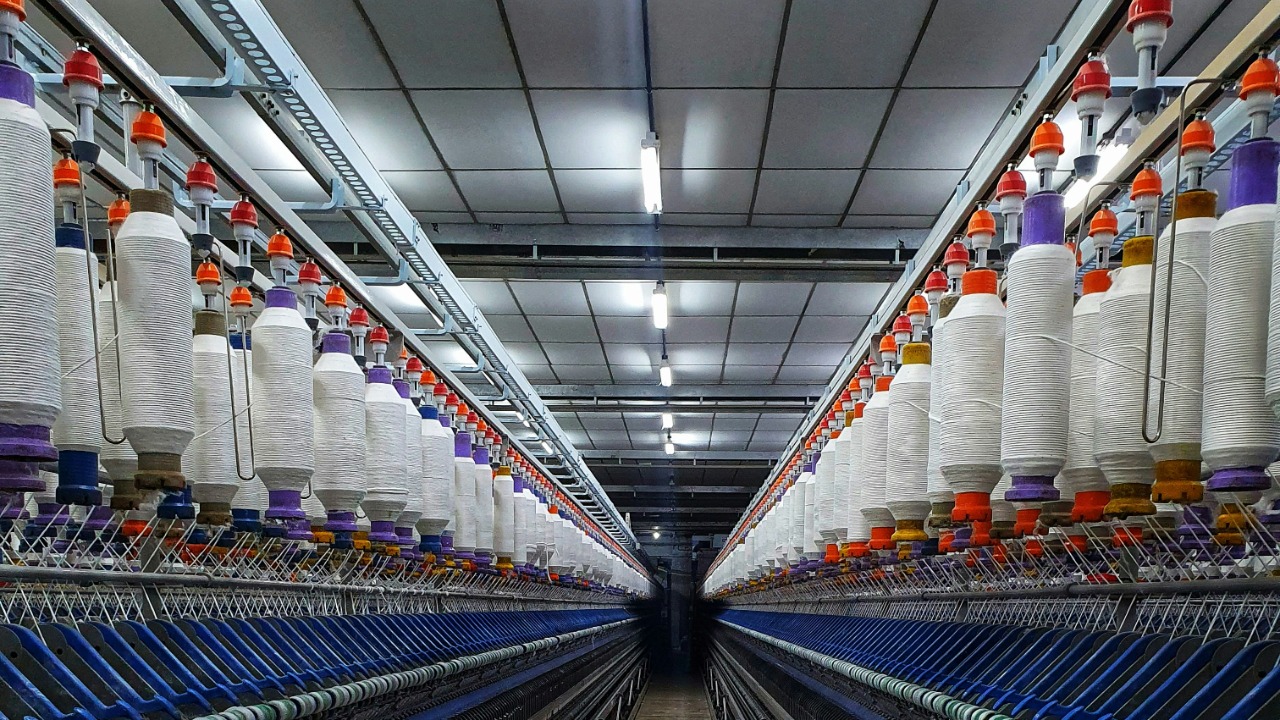
The plant in question is part of Parkdale Mills, a yarn manufacturer that has been a major employer in the region and a key link in the domestic textile supply chain. Company leaders have told community stakeholders that the Hillsville facility is no longer viable because energy costs have risen faster than the business can absorb, especially in a commodity market where buyers can source yarn from lower cost producers abroad. In that context, the decision by a 109-year-old textile company to close its Hillsville facility as energy costs rise is less a sudden shock than the culmination of years of financial strain.
For workers and local officials, the explanation stings because it suggests that even efficient plants can be undone by external cost drivers they do not control. The Hillsville site has been described as a core part of Parkdale Mills, yet the company now argues that its energy bills, layered on top of wage, maintenance, and compliance expenses, have pushed the operation past the point of profitability. When a 109-year-old facility in Hillsville tied to Parkdale Mills cannot make its power costs pencil out, it raises uncomfortable questions about how many other mid-sized manufacturers are quietly running the same calculations.
What “unsustainable energy model” really means
When executives say their business is trapped in an “unsustainable energy model,” they are talking about more than a single utility bill. In practice, it reflects a mix of regional electricity pricing, demand charges, fuel volatility, and the capital required to upgrade old equipment to more efficient standards. In the Hillsville case, company representatives have linked their decision to a pattern in which power costs climbed while the price they could command for yarn remained flat or even declined, leaving the plant squeezed between immovable expenses and unforgiving customers. That is why the phrase 109 Years of US Manufacturing Ends in Virginia Over Unsustainable Energy Model has resonated so widely among other industrial operators facing similar pressures.
From the shop floor perspective, the “energy model” problem shows up in concrete ways: managers delaying equipment upgrades because they cannot justify the upfront cost, maintenance teams nursing aging motors that draw more power than newer alternatives, and finance departments watching utility line items eat a larger share of operating budgets. In Hillsville, Virginia, the company’s decision to blame its “energy model” has become shorthand for a broader critique of how industrial power is priced and regulated, especially for legacy plants that lack the scale or capital of newer facilities. The closure suggests that without targeted relief or investment, more century-old factories could find themselves in the same bind.
Textiles are not alone: steel feels the strain
The Hillsville shutdown is part of a wider pattern in which long established manufacturers are discovering that their traditional cost structures no longer work. In north St. Louis, the steel yard on Shreve Avenue now stands eerily still, with Cranes hanging motionless above rows of idle material where a bustling operation once turned raw steel into finished products. That site belonged to a 116-year American steel manufacturer that has entered liquidation, a process its owners have linked directly to the impact of Tariffs on its ability to compete with imported metal.
In that case, management has argued that Tariffs Drive Up Costs not only for foreign competitors but also for domestic buyers and downstream users, distorting markets in ways that ultimately punished the very company those policies were supposed to protect. The 116-year history of the American steel producer did not shield it from a policy environment that raised input prices and narrowed margins, just as the 109-year-old textile plant in Hillsville could not withstand an energy model it considered untenable. Taken together, the stories from Shreve Avenue in St. Louis and from Hillsville, Virginia, show how different cost drivers, from power to trade rules, can converge on the same outcome for legacy manufacturers.
What the closures signal for U.S. industrial policy
When a 109-year-old textile operation and a 116-year steel manufacturer both shut down within a short span, it is hard to treat them as isolated incidents. Instead, they read as warning lights on the dashboard of U.S. industrial policy, suggesting that the current mix of energy pricing, tariff strategy, and support for modernization is not fully aligned with the needs of long standing plants. In Hillsville, the company’s focus on an unsustainable energy model highlights how regional utilities and regulators shape the fate of employers that may lack the leverage to negotiate better terms or invest in on site generation. In St. Louis, the liquidation tied to tariffs underscores how trade tools can backfire when they raise costs for domestic producers as well as foreign rivals.
I see a common thread running through these stories: legacy manufacturers are being asked to navigate a transition in energy and trade without the financial cushion or policy clarity that larger or newer players often enjoy. The Hillsville plant’s 109-year-old history did not grant it a discount on electricity, just as the 116-year steel yard on Shreve Avenue did not receive special protection from the ripple effects of tariffs. If policymakers want to preserve industrial jobs in places like Hillsville and north St. Louis, they will need to grapple with the specific ways that energy models and tariff regimes interact with century-old business models, rather than assuming that market forces alone will sort the winners from the losers.
More From TheDailyOverview

Grant Mercer covers market dynamics, business trends, and the economic forces driving growth across industries. His analysis connects macro movements with real-world implications for investors, entrepreneurs, and professionals. Through his work at The Daily Overview, Grant helps readers understand how markets function and where opportunities may emerge.