
Smart homebuyers today often find themselves splurging on certain home features that promise to elevate their living experience. However, it’s crucial to consider whether these investments truly add value or simply inflate the price tag. Let’s explore the top features that might just be enticing buyers to pay more than necessary.
Smart Home Technology

With the rise of devices like Amazon Alexa and Google Nest, smart home technology has become a highly sought-after feature. Buyers are often willing to pay a premium for homes equipped with integrated systems that allow them to control lighting, security, and temperature with a simple voice command. While these features offer convenience, they may not necessarily increase the home’s value as much as the initial cost suggests.
Some smart home technologies quickly become obsolete. Investing in a home with the latest smart tech might seem appealing, but it could also mean you’ll need to upgrade sooner than expected. Stay informed about which technologies are worth the investment to avoid overpaying.
Open Floor Plans
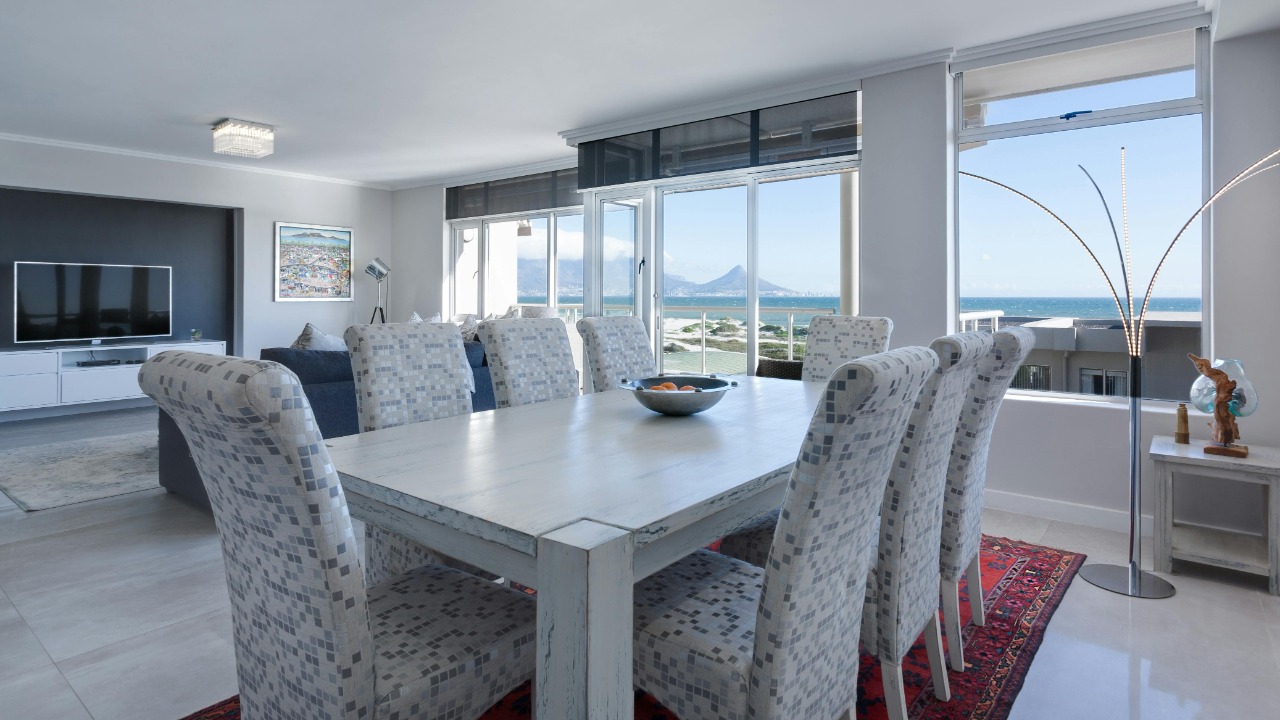
Open floor plans have been a popular trend for years, enticing buyers with the promise of spacious and flexible living areas. However, the allure of open spaces can come with hidden costs. Buyers often overpay for the perceived luxury of openness, only to find that it may not suit their lifestyle or privacy needs.
While an open floor plan might look great during a walkthrough, it can also lead to higher heating and cooling costs. Additionally, noise can travel more easily, which may not be ideal for families with children or those who frequently entertain.
Gourmet Kitchens
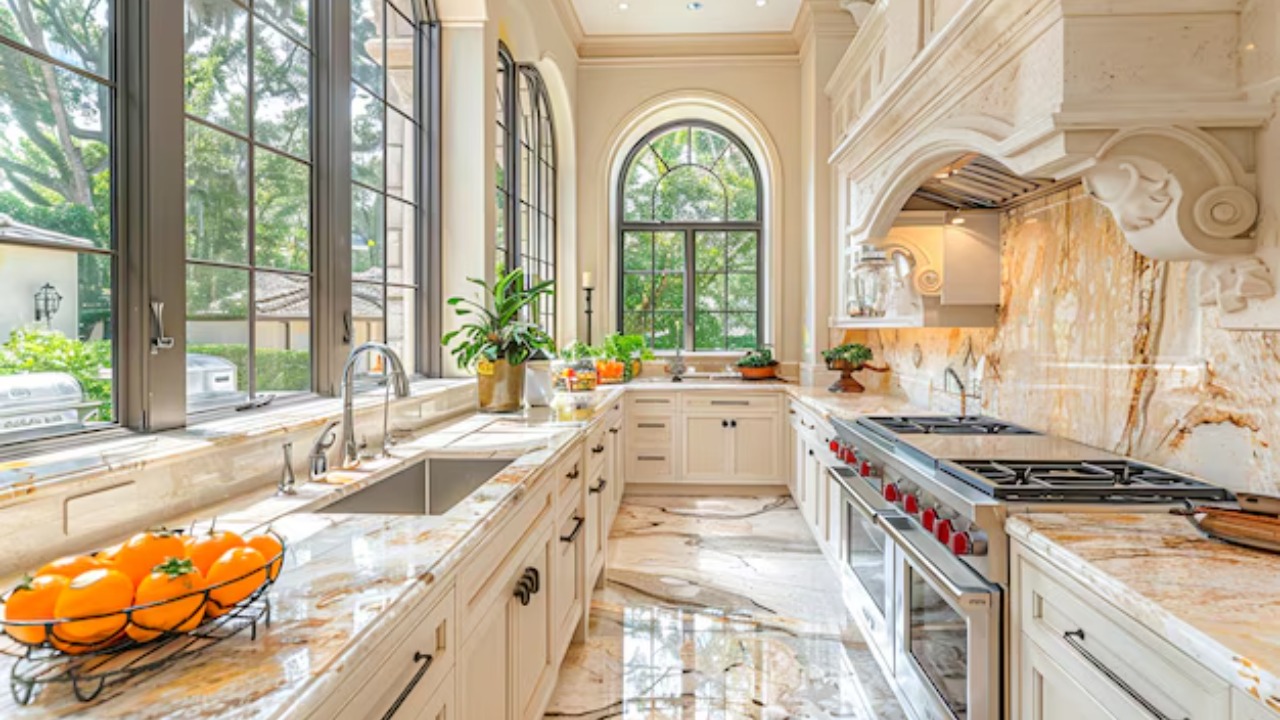
For many, the kitchen is the heart of the home, and gourmet kitchens are a major selling point. Features like granite countertops, state-of-the-art appliances, and custom cabinetry can significantly increase a home’s price. Yet, not every buyer truly needs a high-end kitchen setup, especially if they don’t cook often.
It’s worth considering whether the cost of a gourmet kitchen aligns with your cooking habits. Investing in such a kitchen could lead to buyer’s remorse if it doesn’t enhance your daily life as expected.
Spa-Like Bathrooms

Spa-like bathrooms with features such as rainfall showerheads, soaking tubs, and heated floors are increasingly popular among homebuyers. These luxurious amenities promise relaxation and indulgence, but they also come with a hefty price tag.
While these features can create a personal oasis, potential buyers should consider whether they are willing to pay extra for amenities that might be used sparingly. The added expense may not always translate into increased home value.
Home Offices

The shift towards remote work has made home offices a priority for many buyers. A well-designed office space can indeed offer convenience, but it’s essential to evaluate how much you’re willing to pay for a dedicated workspace.
While a home office can be a valuable feature, especially in a post-pandemic world, consider if the space is adaptable for other uses. The demand for home offices may evolve, impacting their long-term value.
Outdoor Living Spaces
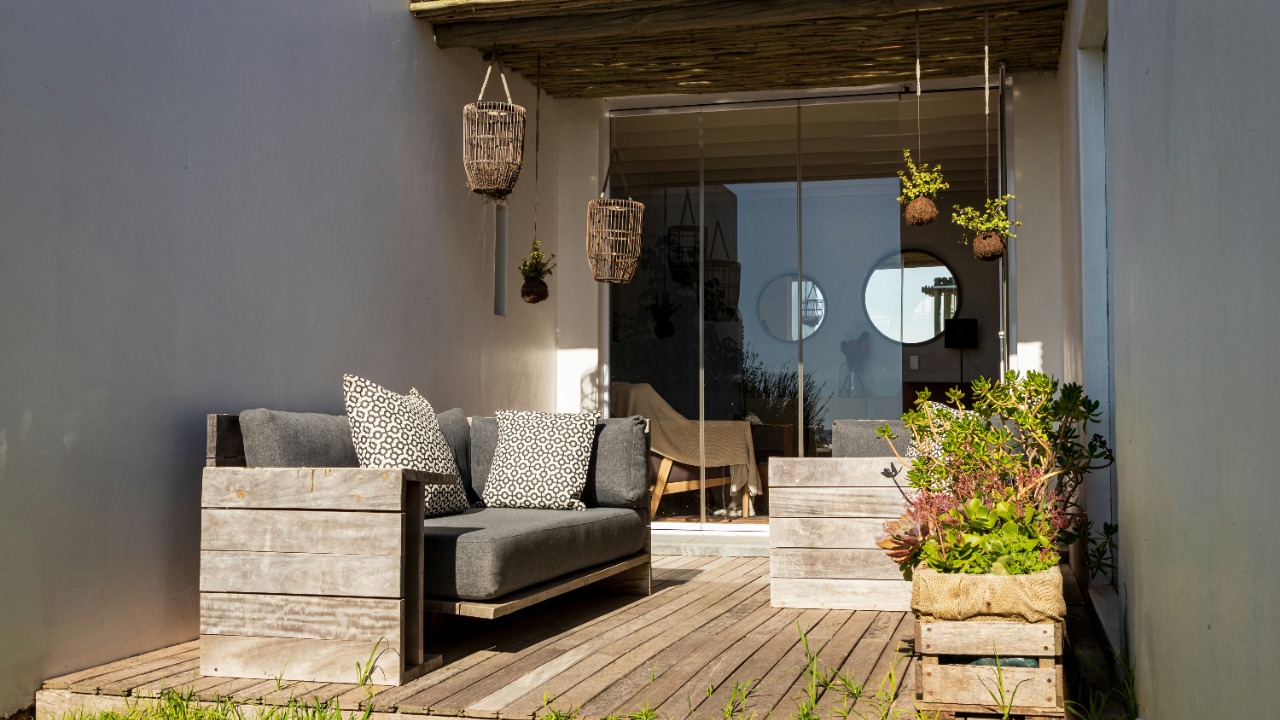
From expansive decks to cozy fire pits, outdoor living spaces are a top priority for many buyers today. These spaces offer a retreat for relaxation and socializing, driving up home prices in the process.
It’s important to assess whether you’ll truly utilize these outdoor areas enough to justify the additional cost. While they can enhance your living experience, they also require maintenance and might not be as valuable in regions with harsh climates.
Energy-Efficient Features
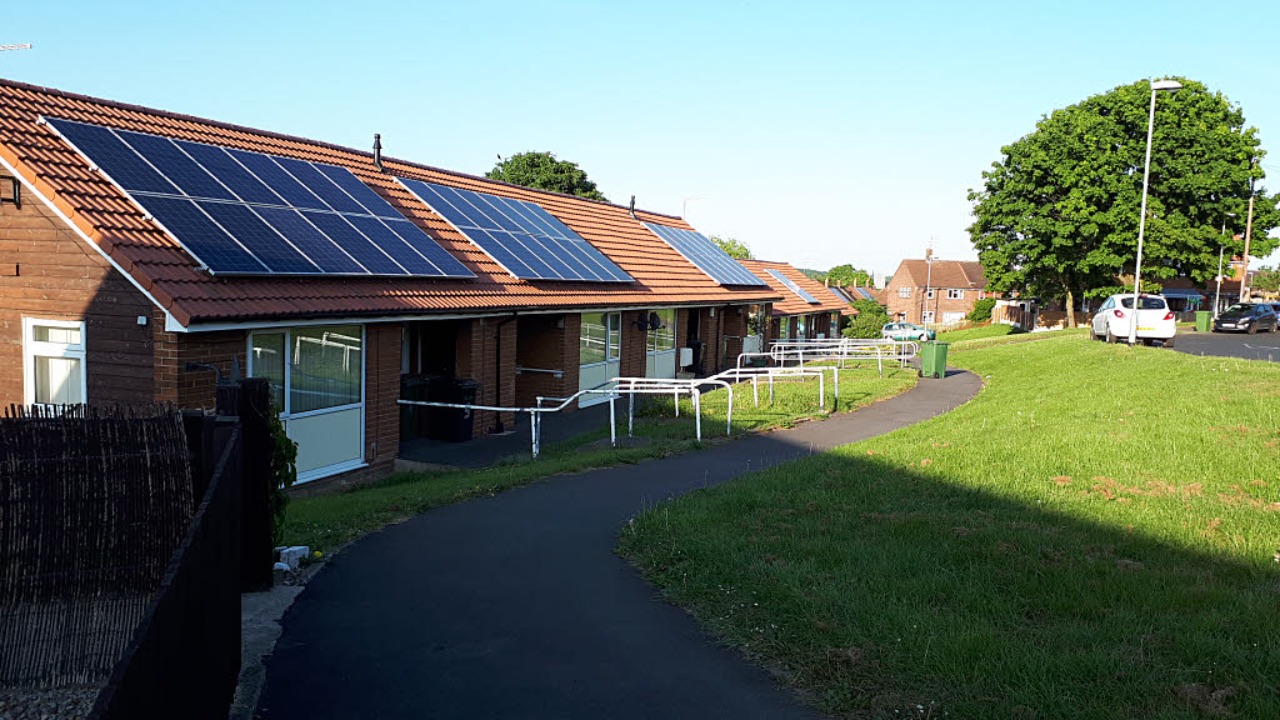
Energy-efficient features like solar panels and high-efficiency windows are appealing for their potential cost savings and environmental impact. However, the initial investment can be significant, and it may take years to recoup those costs through energy savings.
Before overpaying for energy-efficient features, consider whether the long-term savings align with your budget and lifestyle. In some cases, simple upgrades can offer similar benefits without the high upfront cost.
Finished Basements
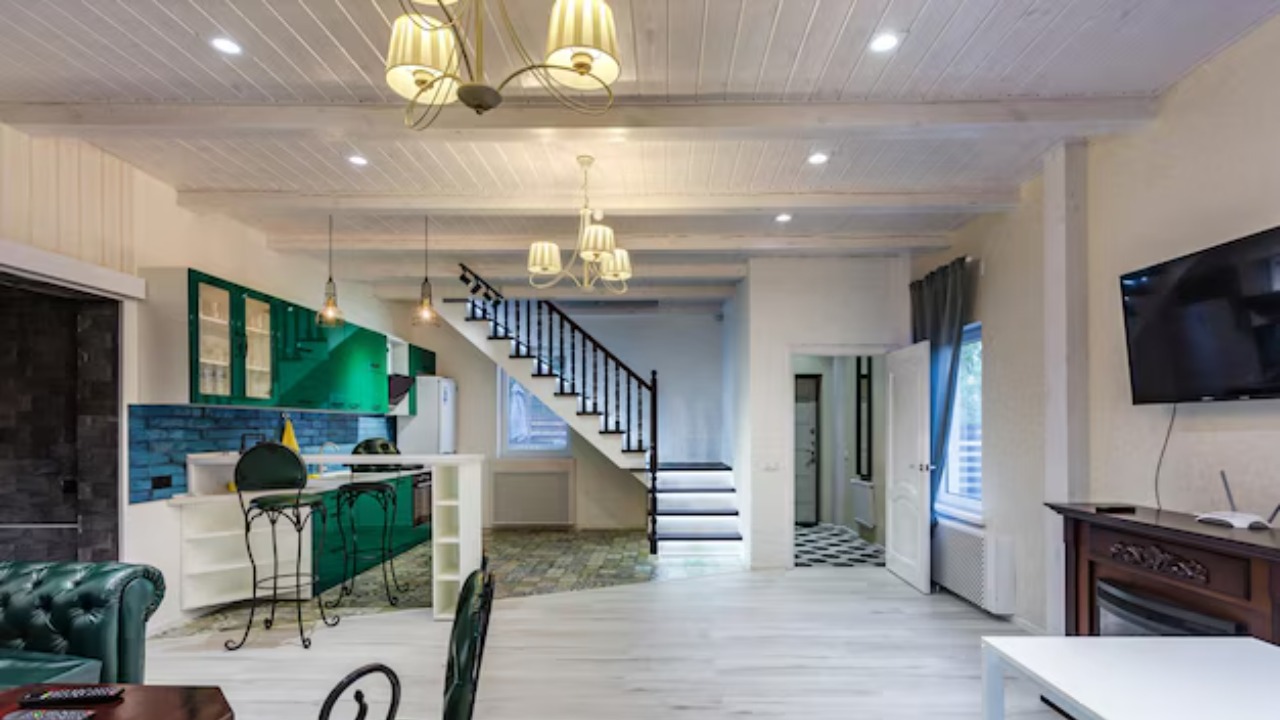
Finished basements offer additional living space, which can be particularly attractive to growing families or those needing extra room for hobbies. However, the cost of a finished basement can sometimes be disproportionate to the additional square footage gained.
Consider whether the basement space adds genuine value to your home. If it doesn’t suit your needs, the extra cost might be better spent on features you will use regularly.
High-End Appliances
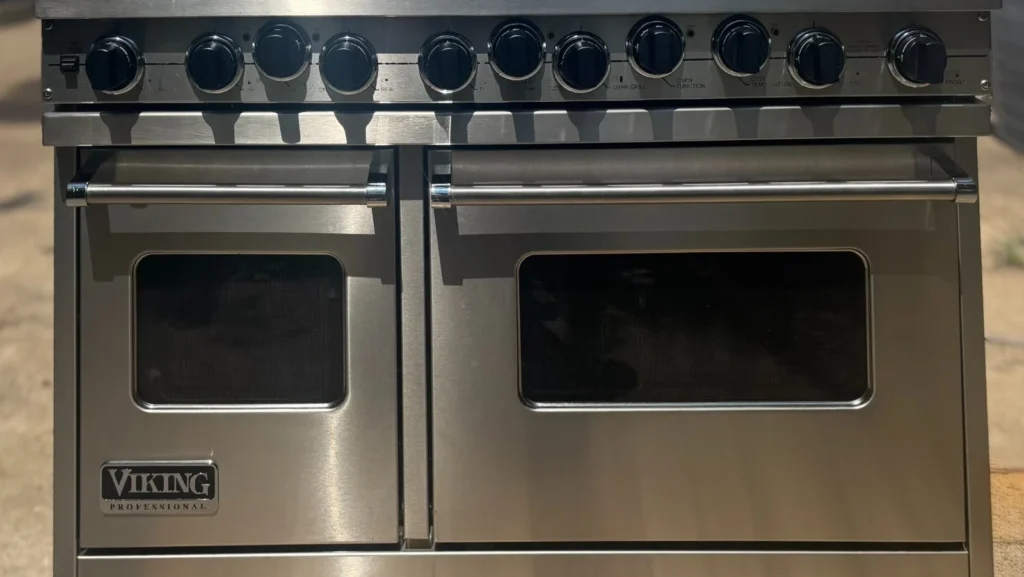
High-end appliances are a status symbol for many homebuyers, but they can significantly inflate a home’s price. Brands like Sub-Zero and Viking are often associated with luxury, yet they may not be necessary for everyday cooking and living.
When considering a home with high-end appliances, evaluate whether the premium quality justifies the cost. Often, mid-range appliances can offer similar functionality without the steep price tag.
Walk-In Closets

Walk-in closets are a dream for many fashionistas, providing ample space for clothing and accessories. However, this feature can sometimes lead to overpayment, especially if the space is larger than necessary.
While a walk-in closet offers convenience, consider whether it fits your storage needs and lifestyle. A smaller, well-organized closet might serve you just as well without the added cost.
Designer Lighting Fixtures
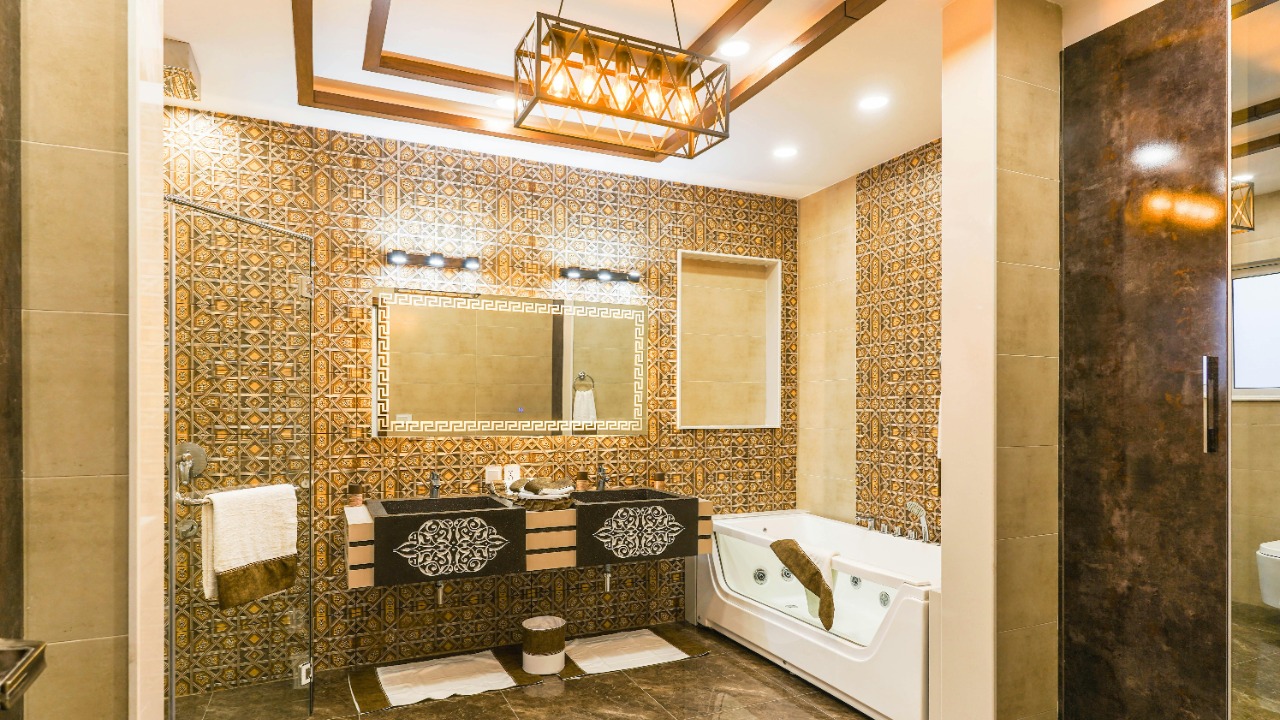
Designer lighting fixtures can transform a home’s ambiance, making it feel more upscale and inviting. Yet, these pieces often come with a high price tag that might not be justified by their aesthetic appeal alone.
Before splurging on designer lighting, consider if it enhances your home’s overall value or if it’s simply a personal preference. Setting the right price for your home should involve evaluating whether these features add significant worth.

Elias Broderick specializes in residential and commercial real estate, with a focus on market cycles, property fundamentals, and investment strategy. His writing translates complex housing and development trends into clear insights for both new and experienced investors. At The Daily Overview, Elias explores how real estate fits into long-term wealth planning.