Cheap rent can be a lifeline, but in some towns the low monthly payment comes with a constant edge of fear. Residents in these 12 cities describe daily life as a tradeoff between affordability and safety, pointing to violent crime, theft, and visible decay that make neighborhoods feel dangerous even when statistics vary block by block. I look at what locals say, what recent crime data show, and why these places keep attracting renters despite the risks.
1) Muskegon, Michigan
Muskegon, Michigan, routinely shows up on lists of affordable cities, with an average one-bedroom rent of $750/month, yet residents say the savings come with a cost. Federal data put the violent crime rate at 1,200 per 100,000, and one local summed up the mood bluntly, saying, “You don’t walk alone at night here.” A separate safety analysis finds that for violent crime, Muskegon ranks slightly more dangerous than average compared with other Michigan cities and towns, even as its Property Crime ranking looks somewhat better.
That split helps explain the uneasy atmosphere. People may not see break-ins on every block, but the threat of assaults or armed robberies shapes how they move through the city, from avoiding certain streets after dark to relying on cars instead of walking. For renters priced out of Grand Rapids or other nearby markets, Muskegon’s low rent is still a draw, yet the persistent sense of risk shows how headline affordability can mask deeper quality-of-life concerns.
2) Pueblo, Colorado
Pueblo, Colorado, has become a magnet for budget-conscious renters, with a median rent of $850 that undercuts Denver and Colorado Springs. At the same time, FBI figures show about 900 violent crimes per 100,000 residents, a rate that helps explain why one local said, “Gunshots are common; it feels dangerous even in daylight.” That kind of testimony points to a daily reality where the soundscape of a neighborhood can be as unsettling as any statistic.
For families and workers relocating from higher-cost Front Range cities, the tradeoff is stark. Lower rent can free up money for childcare, car payments, or paying down debt, but the fear of stray bullets or random assaults changes how people use parks, bus stops, and sidewalks. When residents describe hearing gunfire while running errands, it signals that the perception of danger is not confined to a few late-night hotspots, but bleeds into ordinary routines.
3) Memphis, Tennessee
Memphis, Tennessee, offers renters an average monthly cost of about $900, a relative bargain compared with many large Southern cities. Yet the city’s high property crime rate, listed at 7,000 per 100,000, leaves residents feeling constantly on guard. One local captured that tension with a simple rule of thumb, saying, “Cheap rent, but you lock doors everywhere,” a line that reflects how theft and break-ins shape daily habits.
In practical terms, that means renters invest in security cameras, steering wheel locks for older sedans like a 2010 Honda Civic, and reinforced door frames even in modest apartment complexes. The risk of car break-ins in parking lots or package theft from porches can erode any sense of comfort that comes from saving a few hundred dollars a month. For people trying to build stability, the constant vigilance around property crime becomes part of the hidden cost of living in a “cheap” city.
4) Birmingham, Alabama
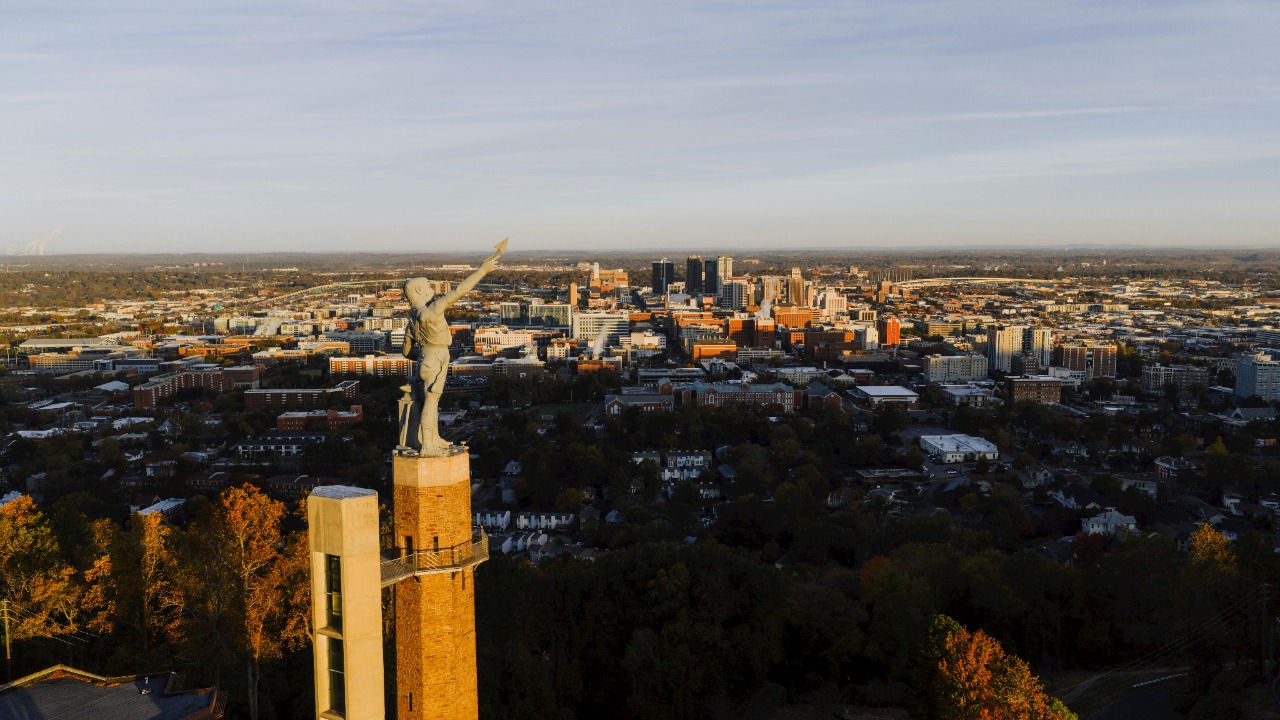
Birmingham, Alabama, stands out for its relatively low housing costs, with a one-bedroom averaging $780 according to recent rent data. Yet the city’s violent crime rate, listed at 1,600 per 100,000, feeds a sense that danger can surface anywhere. One resident put it plainly, saying it “feels like anywhere could turn bad,” a phrase that captures how unpredictable incidents shape local psychology.
That unpredictability affects decisions as basic as where to gas up a car or which grocery store to visit after work. Parents weigh the benefits of lower rent against worries about kids walking to school or waiting at bus stops. For city leaders and landlords, the challenge is that even targeted policing or neighborhood revitalization can be overshadowed by a few high-profile assaults, reinforcing the idea that no corner of Birmingham is fully insulated from risk.
5) Detroit, Michigan
Detroit, Michigan, has long been synonymous with both affordability and struggle, and current figures show average rent around $800/month. Federal crime data list a rate of about 2,000 per 100,000 residents for serious offenses, reinforcing the city’s reputation for danger. Locals often point to the physical environment as part of the problem, saying that “abandoned buildings make it eerie,” especially in neighborhoods where vacant homes outnumber occupied ones on some blocks.
Those empty structures can attract illicit activity, from drug use to illegal dumping, and they also magnify fear even when streets are quiet. For renters who move in for the low costs, the sight of boarded-up houses next to their duplex or apartment complex can feel like a constant reminder of instability. While some districts have seen new coffee shops and renovated lofts, the uneven pace of recovery means that cheap rent often comes bundled with a landscape that many residents read as a warning sign.
6) St. Louis, Missouri
St. Louis, Missouri, remains relatively affordable, with average rent around $870 for many one-bedroom units. Yet the city’s homicide problem looms large, with a murder rate of about 60 per 100,000 residents, one of the highest among major U.S. cities. A local voice captured the dilemma by calling it “cheap, but unsafe for families,” highlighting how parents in particular weigh the risks.
For households with children, the fear is not just about being in the wrong place at the wrong time, but about long-term exposure to trauma, from hearing sirens nightly to seeing crime scenes near schools. Even if a specific neighborhood feels relatively calm, the broader citywide statistics and news coverage can influence whether people let kids play outside or walk to a friend’s house. That tension between affordability and perceived safety helps explain why some residents stay only long enough to save money before trying to move again.
7) Cleveland, Ohio
Cleveland, Ohio, offers some of the lowest big-city rents in the Midwest, with typical units around $720 according to local reporting. At the same time, FBI data show violent crimes at roughly 1,500 per 100,000, a level that keeps many residents on edge. One survey respondent said the city “feels dangerous after dark,” a phrase that echoes across neighborhoods where people plan their evenings around perceived safe corridors.
That after-dark anxiety shapes nightlife, transit use, and even shift work, as some employees avoid late hours if they rely on buses or walking. For renters who choose Cleveland to stretch paychecks from hospital, warehouse, or service jobs, the fear of being targeted on the way home can be as significant as the rent itself. The city’s efforts to revitalize downtown and waterfront areas have not fully erased the sense that once the sun sets, the calculus of risk changes quickly.
8) Kansas City, Missouri
Kansas City, Missouri, has seen a surge of interest from remote workers and young renters, partly because median rent sits around $910, still lower than many coastal markets. Yet the city’s violent crime rate, about 1,100 per 100,000, and a steady drumbeat of shooting reports weigh heavily on locals. Residents say “shootings too frequent,” a blunt assessment that reflects how gun violence has become part of everyday conversation.
For people renting in popular districts like Midtown or the Crossroads, the contrast can be jarring, with trendy bars and new apartments a short drive from blocks where gunfire is common. That proximity means even newcomers who move for the food scene or sports culture quickly learn which intersections to avoid. The perception that bullets can travel across neighborhood lines undermines confidence in the city’s long-term safety, even as developers continue to market Kansas City as an affordable alternative to larger metros.
9) Milwaukee, Wisconsin
Milwaukee, Wisconsin, attracts renters with one-bedroom units averaging about $830, a relative bargain compared with nearby Chicago. Crime data list a rate of roughly 1,300 per 100,000 residents for serious offenses, and locals describe the experience as “affordable but anxiety-inducing.” That phrase captures how people can appreciate the financial relief while still feeling a knot in their stomach when they hear sirens or check neighborhood crime maps.
In many Milwaukee neighborhoods, renters talk about avoiding certain alleys, parking under streetlights, and double-checking rideshare license plates before getting into a car. The city’s mix of revitalized riverfront apartments and struggling blocks means that a short drive can take someone from a polished brewery district to an area where gunshots and carjackings are more common. For those trying to build a life on service-industry wages, the low rent is tempting, but the constant low-level stress becomes part of the daily budget.
10) Buffalo, New York
Buffalo, New York, has become known for relatively cheap housing in a state dominated by New York City prices, with typical rents around $760. Yet the city struggles with theft, recording about 4,000 per 100,000 residents in recent data. One local said it “feels risky walking streets,” a comment that reflects how frequent larcenies and robberies can make even short trips feel fraught.
For renters, that risk shows up in small but constant calculations, like whether to carry a laptop on foot, leave a bike locked outside, or use public transit after dark. Neighborhoods that are otherwise quiet can still feel tense if residents swap stories about stolen catalytic converters or snatched purses. The combination of snowbound winters, aging infrastructure, and persistent theft means that Buffalo’s affordability often comes with a sense that you must always watch your back.
11) Toledo, Ohio
Toledo, Ohio, markets itself as a low-cost alternative to larger Ohio cities, with average rent around $740 according to local reporting. Federal figures show violent crime at about 900 per 100,000, and one resident warned that “low rent hides the danger.” That phrase captures how the city’s bargain prices can obscure the risks newcomers may not fully grasp until they have already signed a lease.
For students at the University of Toledo or workers in nearby auto plants, the ability to rent a larger place for less money is appealing. Yet stories of armed robberies near convenience stores or assaults in poorly lit parking lots can quickly change perceptions. The sense that trouble can flare up near otherwise ordinary strip malls or intersections means renters often rely on word-of-mouth neighborhood intel, not just online listings, to decide where they feel safe living.
12) Youngstown, Ohio
Youngstown, Ohio, offers some of the lowest rents on this list, with typical units around $700/month. Crime data show about 1,000 crimes per 100,000 residents, and locals report that “gang activity makes it feel unsafe.” That perception is rooted in long-running concerns about territorial disputes and retaliatory violence that can erupt in residential areas as well as commercial corridors.
For renters drawn by the rock-bottom prices, the presence of visible gang tags on garages or reports of organized groups in certain blocks can be deeply unsettling. Parents may keep children indoors more often, and young adults talk about avoiding specific corners or bars associated with particular crews. The city’s efforts to reinvent itself after industrial decline are complicated by this undercurrent of gang-related fear, which turns what might look like a budget-friendly move on paper into a more fraught decision in practice.
More From TheDailyOverview
- Tennessee loses $2.6B megafactory and faces major layoffs
- Retired But Want To Work? Try These 18 Jobs for Seniors That Pay Weekly
- What to do with your pennies after the U.S. stops minting them
- Home Depot CEO warns of a troubling customer trend in stores

Elias Broderick specializes in residential and commercial real estate, with a focus on market cycles, property fundamentals, and investment strategy. His writing translates complex housing and development trends into clear insights for both new and experienced investors. At The Daily Overview, Elias explores how real estate fits into long-term wealth planning.