
Managing personal finances effectively is a challenge many people face. While some habits are well-known, others often go unnoticed, leading to financial pitfalls. Here, I explore 15 money habits that are frequently overlooked but can significantly impact financial health if not addressed.
1. Ignoring Small Expenses

It’s easy to overlook small, everyday expenses, but they can add up over time. Many people underestimate the impact of these costs on their budget. For instance, buying a coffee every day might seem insignificant, but it can amount to hundreds of dollars annually. Being mindful of these small expenses and tracking them can help in identifying areas where you can save money.
2. Not Setting Financial Goals

Without clear financial goals, it’s challenging to manage money effectively. Setting specific, measurable, achievable, relevant, and time-bound (SMART) goals can provide direction and motivation. Whether it’s saving for a house, retirement, or an emergency fund, having goals helps prioritize spending and encourages saving.
3. Failing to Budget
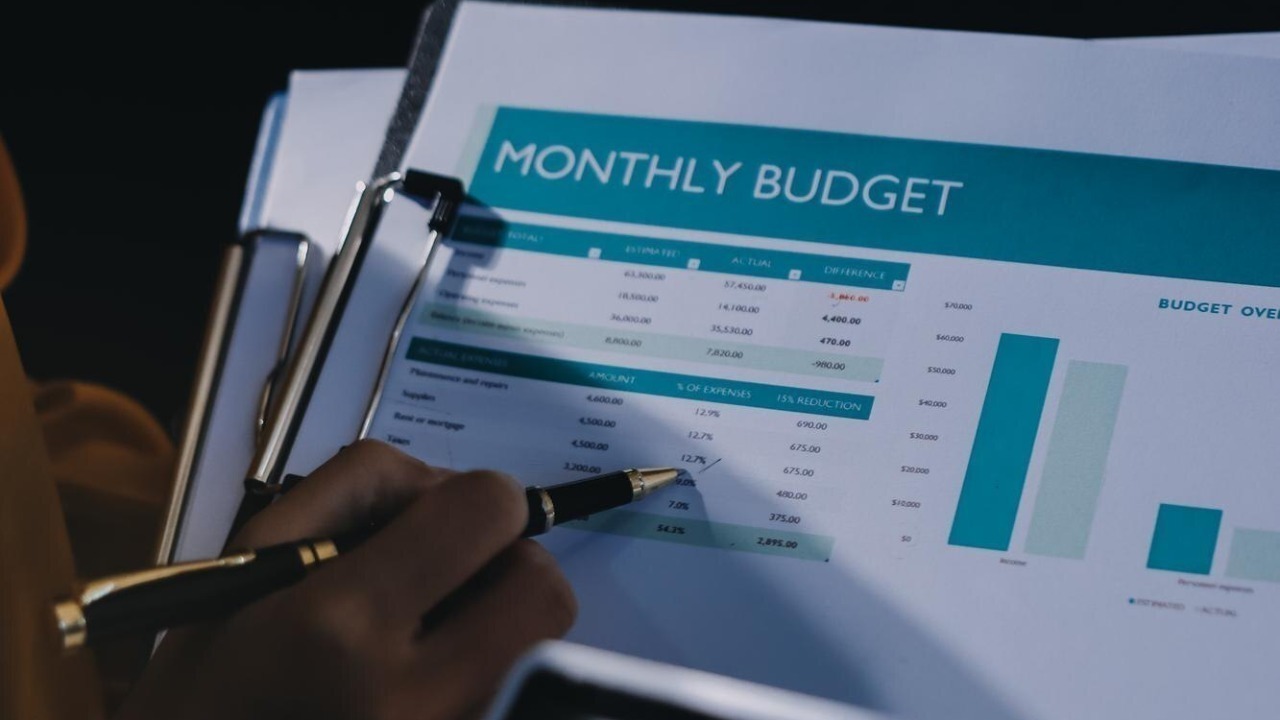
Budgeting is a fundamental aspect of financial management that many people neglect. A budget helps track income and expenses, ensuring that spending aligns with financial goals. Without a budget, it’s easy to overspend and lose track of finances. Creating a budget and reviewing it regularly can help maintain financial stability.
4. Overlooking Emergency Funds

An emergency fund is crucial for financial security, yet many people fail to prioritize it. Unexpected expenses, such as medical emergencies or car repairs, can strain finances if there’s no safety net. Building an emergency fund that covers three to six months of living expenses can provide peace of mind and financial resilience.
5. Relying Too Much on Credit Cards

Credit cards offer convenience but can lead to debt if not used responsibly. Many people fall into the trap of relying on credit cards for everyday purchases without considering the long-term impact of interest charges. It’s essential to use credit cards wisely, paying off the balance in full each month to avoid accumulating debt.
6. Not Reviewing Bank Statements

Regularly reviewing bank statements is a habit that can prevent financial mishaps. Many people overlook this practice, missing errors or unauthorized transactions. By checking statements monthly, you can ensure accuracy and catch any discrepancies early, protecting your finances.
7. Skipping Retirement Savings

Retirement may seem distant, but saving early is crucial for a comfortable future. Many people delay retirement savings, missing out on the benefits of compound interest. Contributing to retirement accounts, such as a 401(k) or IRA, as early as possible can significantly impact your financial future.
8. Neglecting to Shop Around for Insurance

Insurance is a necessary expense, but many people stick with the same provider without exploring other options. Shopping around for insurance can lead to better coverage and lower premiums. Regularly comparing policies ensures you’re getting the best deal and can save money in the long run.
9. Forgetting to Update Beneficiaries

Life changes, such as marriage or having children, necessitate updating beneficiaries on financial accounts. Many people forget this crucial step, which can lead to complications in the event of an unexpected death. Regularly reviewing and updating beneficiaries ensures that your assets are distributed according to your wishes.
10. Not Taking Advantage of Employer Benefits

Many employers offer benefits that can enhance financial well-being, yet employees often overlook them. Benefits such as matching retirement contributions, health savings accounts, and employee discounts can provide significant savings. Understanding and utilizing these benefits can improve financial health.
11. Overlooking Tax Deductions

Tax deductions can reduce taxable income, but many people miss out on them due to a lack of awareness. Deductions for things like student loan interest, medical expenses, and charitable contributions can lower tax liability. Staying informed about available deductions and consulting a tax professional can maximize savings.
12. Not Investing in Financial Education

Financial literacy is key to managing money effectively, yet many people neglect to invest in their financial education. Understanding basic financial concepts, such as interest rates and investment strategies, can empower individuals to make informed decisions. Taking courses or reading financial literature can enhance financial knowledge and confidence.
13. Ignoring Inflation

Inflation erodes purchasing power over time, yet many people fail to account for it in their financial planning. Understanding how inflation impacts savings and investments is crucial for maintaining financial health. Adjusting investment strategies to outpace inflation can preserve and grow wealth.
14. Not Having a Will

Estate planning is often overlooked, but having a will is essential for ensuring that your assets are distributed according to your wishes. Without a will, the state decides how to distribute your assets, which may not align with your intentions. Creating a will provides peace of mind and clarity for loved ones.
15. Failing to Adapt to Changing Payment Habits

As payment methods evolve, it’s important to adapt to new technologies and trends. According to Money Talks News, understanding the shift from cash to digital payments can help manage finances more effectively. Embracing new payment methods, such as mobile wallets and contactless payments, can offer convenience and security.

Cole Whitaker focuses on the fundamentals of money management, helping readers make smarter decisions around income, spending, saving, and long-term financial stability. His writing emphasizes clarity, discipline, and practical systems that work in real life. At The Daily Overview, Cole breaks down personal finance topics into straightforward guidance readers can apply immediately.

