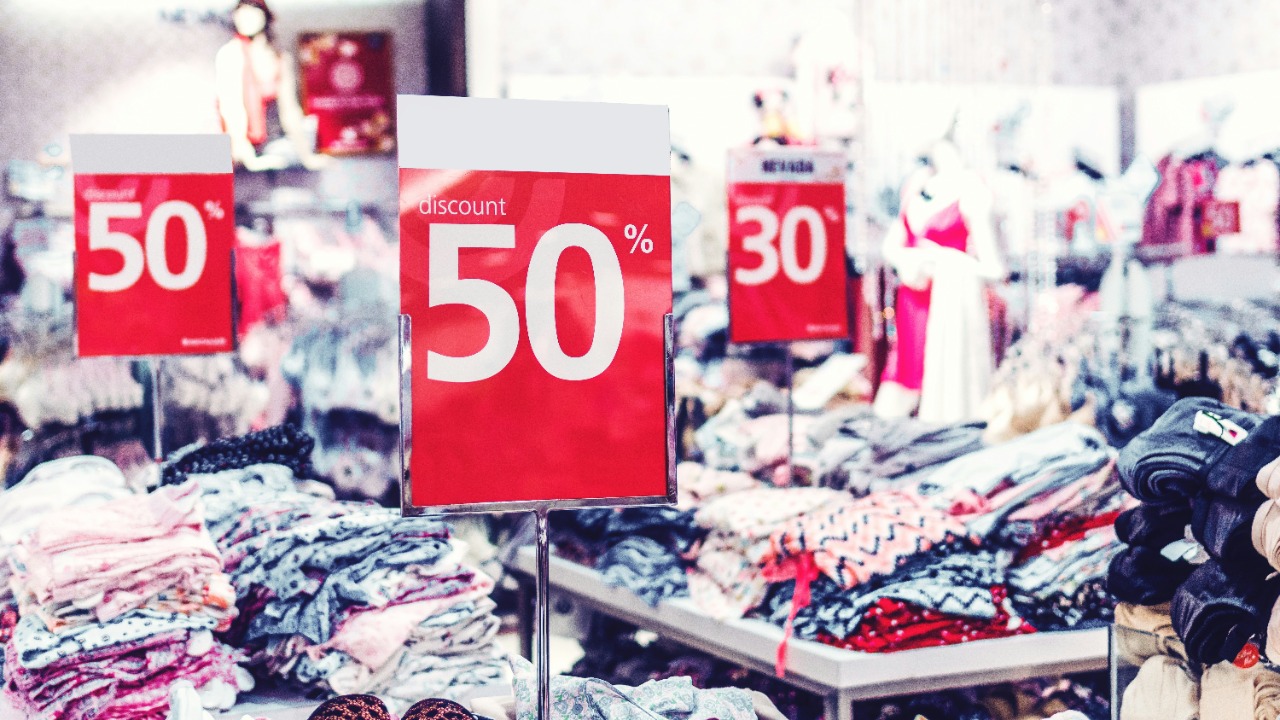
American shoppers are heading into peak holiday season with a hidden surcharge baked into nearly every cart: a multibillion dollar tariff tab that functions like a tax on gifts, gadgets and décor. Instead of fading into the background, the trade policies of recent years are converging with inflation fatigue and tight household budgets to make this year’s celebrations more expensive and more constrained. The result is a roughly $29 billion hit to holiday spending power that will shape what people buy, where they shop and how far their money goes.
The $29 billion tariff hit behind this year’s holiday bills
The headline number that jumps out this season is the estimated $29 billion in extra costs tied directly to tariffs on imported goods that end up in American shopping baskets. I see that figure not as an abstract macroeconomic statistic but as a rough tally of how much less room families have for an extra toy, a nicer bottle of wine or a second plane ticket home. When trade policy effectively adds a surcharge to the most gift-heavy stretch of the year, it turns what should be discretionary joy into a budgeting exercise.
Earlier in Nov, analysts at Lending Tree put a sharper point on that reality, calculating that President Donald Trump’s trade measures amount to a $29 billion tax on Americans during the holiday shopping period, a finding highlighted on Nov 13, 2025 by Nick Lichtenberg. Framed that way, the policy choice is no longer an abstract debate about trade balances, it is a direct line item on household ledgers, one that shows up in higher prices for everything from electronics to apparel and that narrows what each shopper in the United States can afford to put under the tree.
How tariffs filter into prices on the shelf
Tariffs do not appear on receipts as a separate line, which is part of why their impact can be easy to underestimate. Instead, they are levied at the border, absorbed first by importers and wholesalers, then gradually passed along through distributors and retailers until they are embedded in the sticker price. I view that chain as a relay race of cost pressures, where each participant tries to keep margins intact by nudging prices higher or trimming promotions, leaving the final consumer to absorb most of the shock.
Financial planners who track these dynamics have warned that the cumulative effect is substantial, with some estimates suggesting that the annual burden from tariffs on consumer goods could reach up to $78 billion per year, a figure flagged in late Oct under a section labeled Key Takeaways. That broader context helps explain why the seasonal impact is so acute: when a policy that already weighs on wallets year round collides with the most consumption-heavy quarter, the incremental dollars show up in higher totals at checkout and in the quiet recalculations families make about what they can realistically spend.
Which gifts are most exposed to tariff-driven markups
Not every item in a shopping cart is equally vulnerable to tariff-driven increases, and understanding the differences can help shoppers prioritize. I see three broad categories that are particularly exposed this season: imported electronics and gadgets, apparel and footwear sourced from tariffed countries, and a wide range of toys and home goods that rely on global supply chains. These are precisely the kinds of products that dominate holiday wish lists, which is why the policy impact feels so personal.
Consumer analysts have mapped out how these levies ripple through specific gift categories, noting that if buyers simply repeat last year’s mix of purchases, they will pay more for electronics, clothes, toys and more, a pattern highlighted on Nov 14, 2025 alongside a reference to a Media Error in the original coverage. That list reads like a shorthand for the modern holiday, from game consoles and tablets to branded sneakers and collectible dolls, which means the tariff shock is not confined to niche imports but hits the core of what many families expect to exchange.
Holiday budgets already stretched before tariffs kick in
Even before tariffs are factored in, the baseline cost of celebrating has been climbing, leaving households with less slack to absorb another layer of price pressure. I hear this in conversations with parents who are juggling rent, student loans and childcare while still trying to keep long standing traditions alive. When every category from groceries to gas has inched higher over the past few years, the idea of quietly absorbing a policy driven surcharge on gifts feels less like an inconvenience and more like a breaking point.
Coverage earlier in Nov captured that tension bluntly, noting that Holiday shopping was already expensive and that tariffs are now layered on top of that reality, with the piece published on Nov 9, 2025 under a headline that began with the word Here and emphasized that Now there is even more to worry about. That framing reflects what many families are living: a season that once felt like a splurge now requires spreadsheets, with shoppers trading down on brands, trimming gift lists or turning to buy now, pay later services to bridge the gap.
Christmas trees, decorations and the cost of seasonal cheer
Gifts are only part of the story, because the visual and social rituals of the season carry their own price tags. From artificial Christmas trees and imported ornaments to strings of LED lights and inflatable yard displays, many of the items that create a sense of occasion are tied to global manufacturing hubs that sit squarely inside tariff regimes. I see this as a second wave of impact, one that hits households that might already have pared back on presents but still want their homes to feel festive.
Analysts who have tracked a full year of Trump era tariffs point out that these measures may push up the cost of gifts, decorations and Christmas trees, a pattern highlighted on Nov 23, 2025 in a broader look at how Tariff policy intersects with Christmas budgets. That same analysis noted that even clothing and accessories, pegged at $82 in one example basket, are not immune, underscoring how the seasonal aesthetic, from party outfits to table settings, is being reshaped by trade decisions that most shoppers never voted on directly.
Less variety on shelves and the rise of e-commerce workarounds
Tariffs do not just raise prices, they also change what is available to buy in the first place. Importers facing higher costs often respond by narrowing their product lines, focusing on items with the highest turnover or the best margins, and dropping more experimental or niche offerings. I interpret that as a quiet erosion of choice, where the assortment on shelves looks thinner even if the store is technically well stocked, and where shoppers who used to browse a wide range of options now find themselves picking from a smaller, more homogenized set.
Academic research into this season’s dynamics suggests that Christmas shopping will likely feature a bit less variety than usual, with importers becoming more selective about which goods to bring in and a larger share of Q4 activity shifting to e-commerce, as highlighted on Nov 10, 2025 in coverage that explicitly referenced Christmas. That tilt toward online channels is not just about convenience, it is also a way for retailers to manage inventory risk and for consumers to hunt across multiple platforms for the best combination of price, availability and shipping speed when tariffs have scrambled the old patterns.
Discounts, deal hunting and the illusion of protection
One of the paradoxes of this holiday season is that shoppers are seeing aggressive promotions at the same time that underlying costs are elevated. Retailers, facing cautious consumers and higher input prices, are leaning on Black Friday, Cyber Monday and extended sales calendars to keep traffic flowing. I view these discounts as a kind of camouflage, masking the extent to which tariffs have lifted the baseline from which those markdowns are calculated, so that a 30 percent off sign may still translate into a higher final price than a similar promotion did a few years ago.
Regional reporting from the end of Nov captured this tension, noting that Holiday discounts vary across retail categories, with analyst Pancotti explaining on Nov 28, 2025 that tariffs and global supply chain pressures are shaping which sectors can afford deeper cuts. For consumers, that means deal hunting is still worthwhile, but it is not a full shield against policy driven price hikes, and it often requires more time spent comparing offers, stacking coupon codes and toggling between in store and online options to claw back some of the lost purchasing power.
How families are adapting gift lists and traditions
Faced with a combination of tariff driven costs, inflation and uneven wage gains, families are quietly rewriting their own rules for what the holidays should look like. I have heard from parents who are shifting from multiple mid priced toys to a single, more meaningful experience, such as tickets to a local zoo or a subscription to a streaming service, in part because those choices feel less exposed to import surcharges. Others are organizing gift exchanges with strict price caps, or agreeing among siblings to focus on the youngest children while adults skip presents altogether.
These adaptations echo the broader patterns flagged in financial planning commentary, where experts note that people will likely adjust by trimming discretionary purchases and rethinking how they allocate limited budgets in the face of tariff costs that can reach tens of billions of dollars per year, as outlined in the same Key Takeaways that pegged the annual impact at up to $78 billion. In practice, that might mean fewer imported gadgets under the tree, more emphasis on homemade gifts or local services, and a greater willingness to talk openly within families about financial constraints that previous generations might have kept quiet.
What this tariff season signals about future holidays
The $29 billion tariff shock hitting American shoppers this year is not a one off anomaly, it is a preview of how trade policy can structurally reshape consumer life if it remains in place or intensifies. I see this season as a stress test of household resilience, revealing how much strain families can absorb before they start to push back politically or change their long term spending habits. If tariffs continue to function as a stealth tax on imported goods, retailers may accelerate efforts to diversify supply chains, while consumers may permanently shift toward experiences, digital goods and domestic brands that feel less vulnerable to sudden policy swings.
Reporting across Nov, from the Lending Tree analysis on Nov 13, 2025 that quantified a $29 billion tax on Americans to the warnings about higher costs for Christmas trees and reduced variety in stores, paints a consistent picture of a holiday economy increasingly shaped by decisions made far from the checkout line. As President Donald Trump’s tariff policies continue to filter through supply chains, the question is not whether they will affect future holidays, but how quickly shoppers, businesses and policymakers will adapt to a reality in which the spirit of giving is inseparable from the fine print of trade law.
More From TheDailyOverview
- Tennessee loses $2.6B megafactory and faces major layoffs
- Retired But Want To Work? Try These 18 Jobs for Seniors That Pay Weekly
- What to do with your pennies after the U.S. stops minting them
- Home Depot CEO warns of a troubling customer trend in stores

Julian Harrow specializes in taxation, IRS rules, and compliance strategy. His work helps readers navigate complex tax codes, deadlines, and reporting requirements while identifying opportunities for efficiency and risk reduction. At The Daily Overview, Julian breaks down tax-related topics with precision and clarity, making a traditionally dense subject easier to understand.

