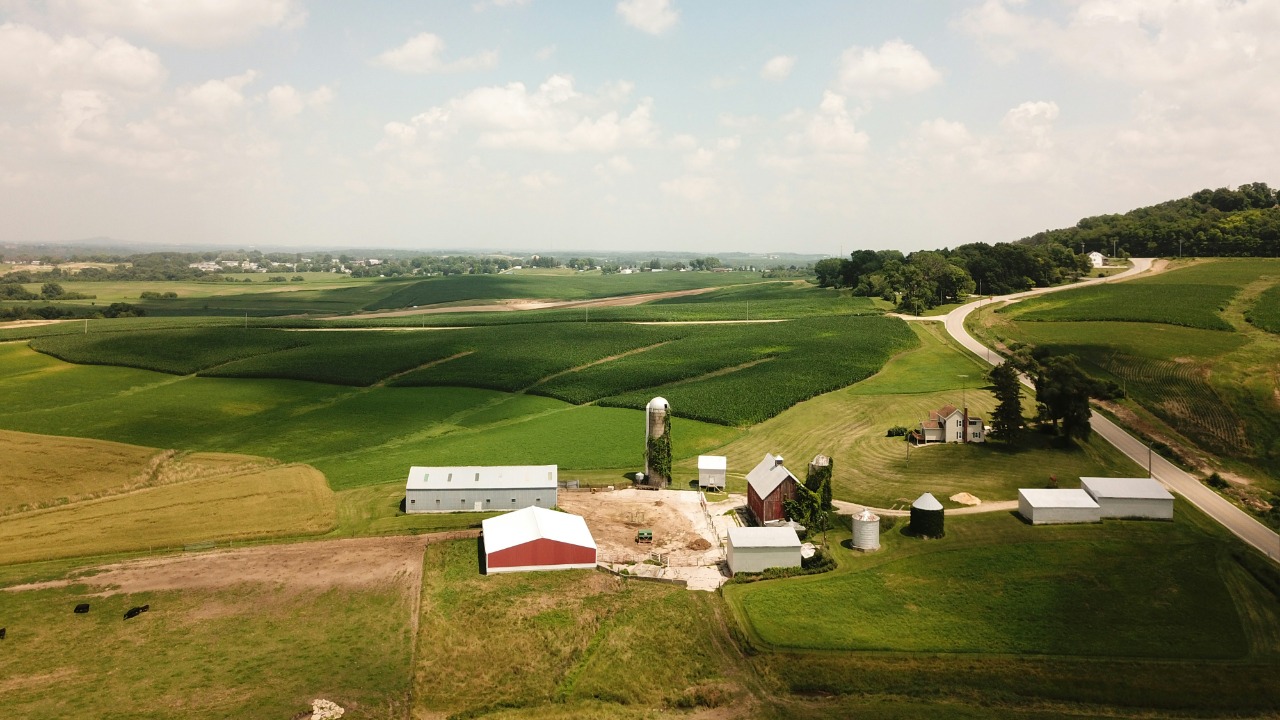
Farmland is garnering significant attention from investors, environmentalists, and policymakers alike. With its unique combination of economic potential and environmental benefits, farmland is proving to be a hot commodity. Here are five reasons why farmland is so attractive right now.
1. Increasing Demand for Food Security
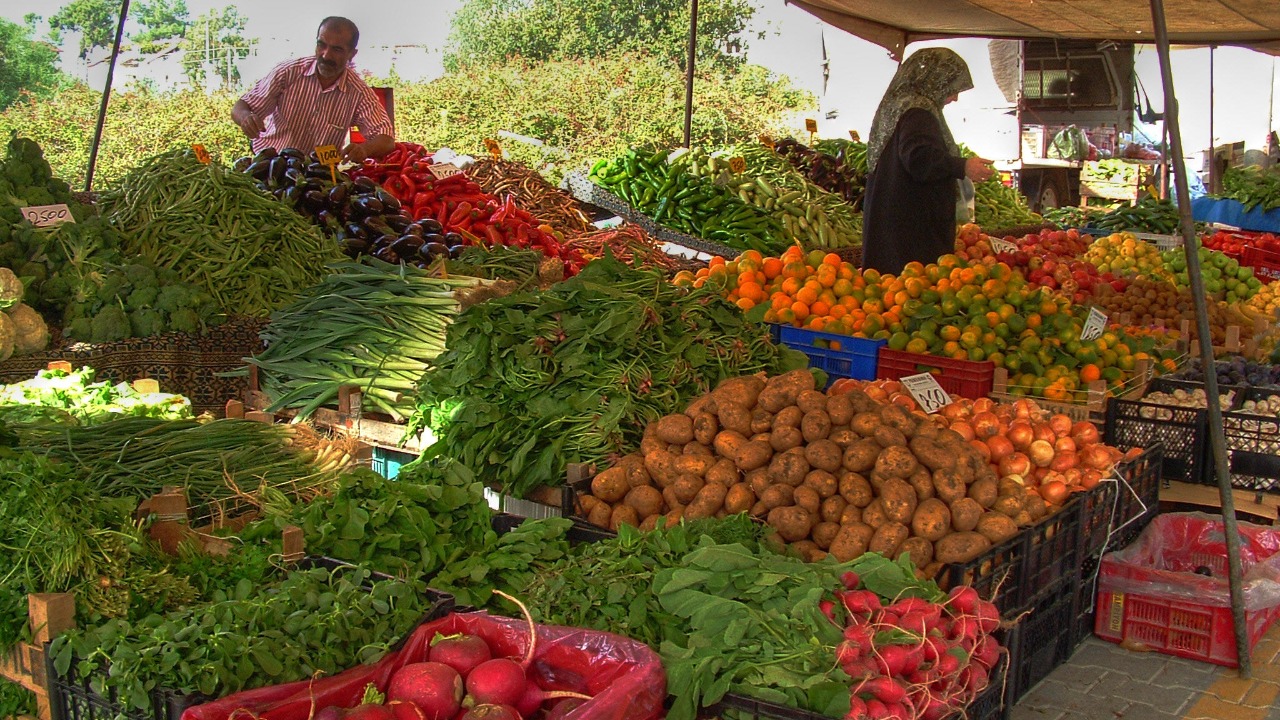
The global population continues to grow, leading to a heightened demand for food security. With this increase, the need for reliable and sustainable food sources has never been more critical. Farmland provides the perfect opportunity to meet this demand, as it is the foundation of agricultural production. As populations rise, the pressure on existing agricultural lands intensifies, making farmland a valuable asset for ensuring a stable food supply.
Moreover, the COVID-19 pandemic highlighted vulnerabilities in global food supply chains, prompting nations to prioritize food security even further. Investing in farmland not only helps address these concerns but also offers a steady return on investment. By focusing on agriculture, countries can safeguard their food supply while also capitalizing on the economic benefits of productive land. For more insight on farmland values, click here.
2. Rising Interest in Sustainable Agriculture

Sustainable agriculture is becoming increasingly important as the world grapples with climate change and environmental degradation. Farmland is at the forefront of this movement, offering the potential to implement eco-friendly farming practices that reduce carbon emissions and conserve resources. Techniques such as crop rotation, organic farming, and reduced chemical usage are gaining traction, appealing to environmentally-conscious investors.
The push for sustainability is not just a trend but a necessity. Governments and organizations are investing in initiatives that promote sustainable agriculture, providing financial incentives for landowners who adopt green practices. This shift is making farmland a lucrative investment option that aligns with the values of a growing segment of the population. To explore how sustainable agriculture impacts farmland investment, click here.
3. Attractive Investment Returns

Farmland has consistently delivered attractive investment returns, making it a popular choice for both individual and institutional investors. Historically, farmland values have shown resilience against economic downturns, often outperforming other asset classes. The combination of capital appreciation and rental income provides a stable and attractive return on investment.
With interest rates at historic lows, traditional fixed-income investments offer limited returns, driving investors to seek alternatives like farmland that provide both income and long-term growth potential. As demand for agricultural products increases, so does the value of the land that produces them. For a detailed analysis of why farmland values are increasing, click here.
4. Tax Advantages and Incentives
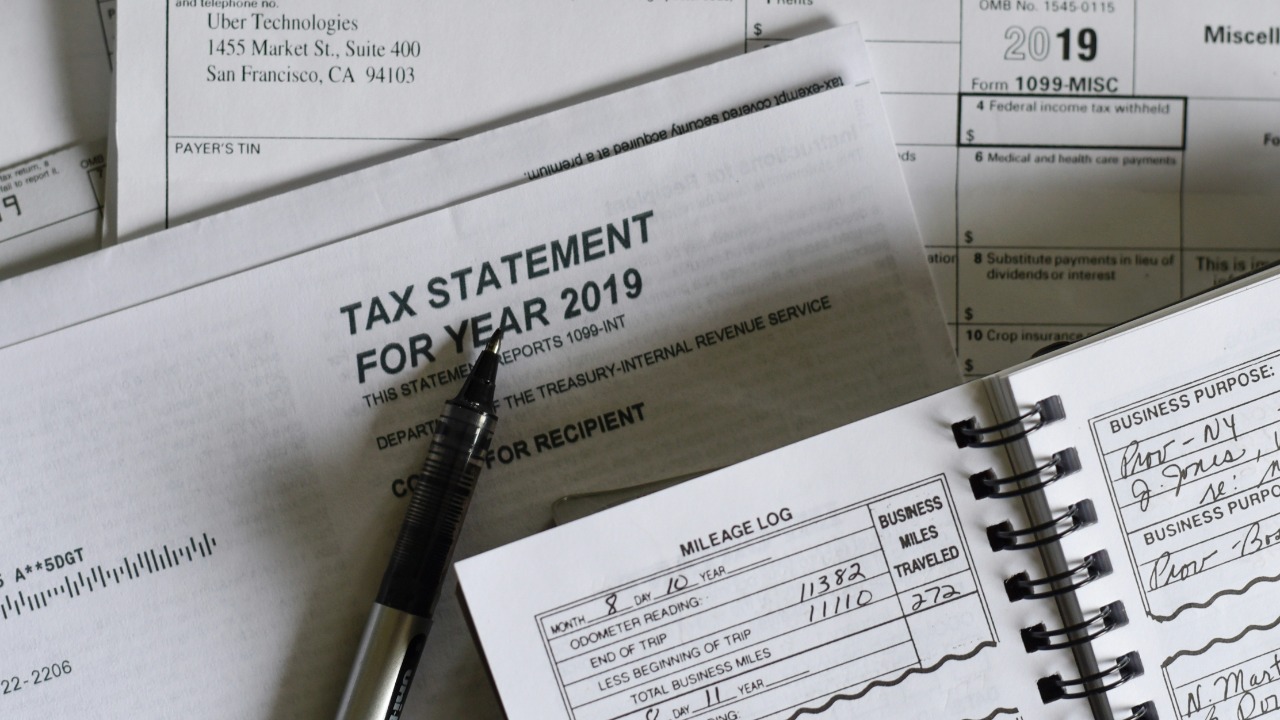
Investing in farmland can offer significant tax advantages and incentives, making it an appealing option for savvy investors. Many governments provide tax breaks to encourage investment in agriculture, recognizing its importance in supporting national food security and economic growth. These incentives may include reduced property taxes, tax credits for sustainable practices, and exemptions for certain agricultural activities.
Additionally, owning farmland can provide estate planning benefits, as it may qualify for special valuation methods that reduce the taxable value of the land. These financial perks make farmland an attractive option for investors looking to optimize their portfolios with tax-efficient assets. For more information on farmland investment benefits, click here.
5. Diversification of Investment Portfolios
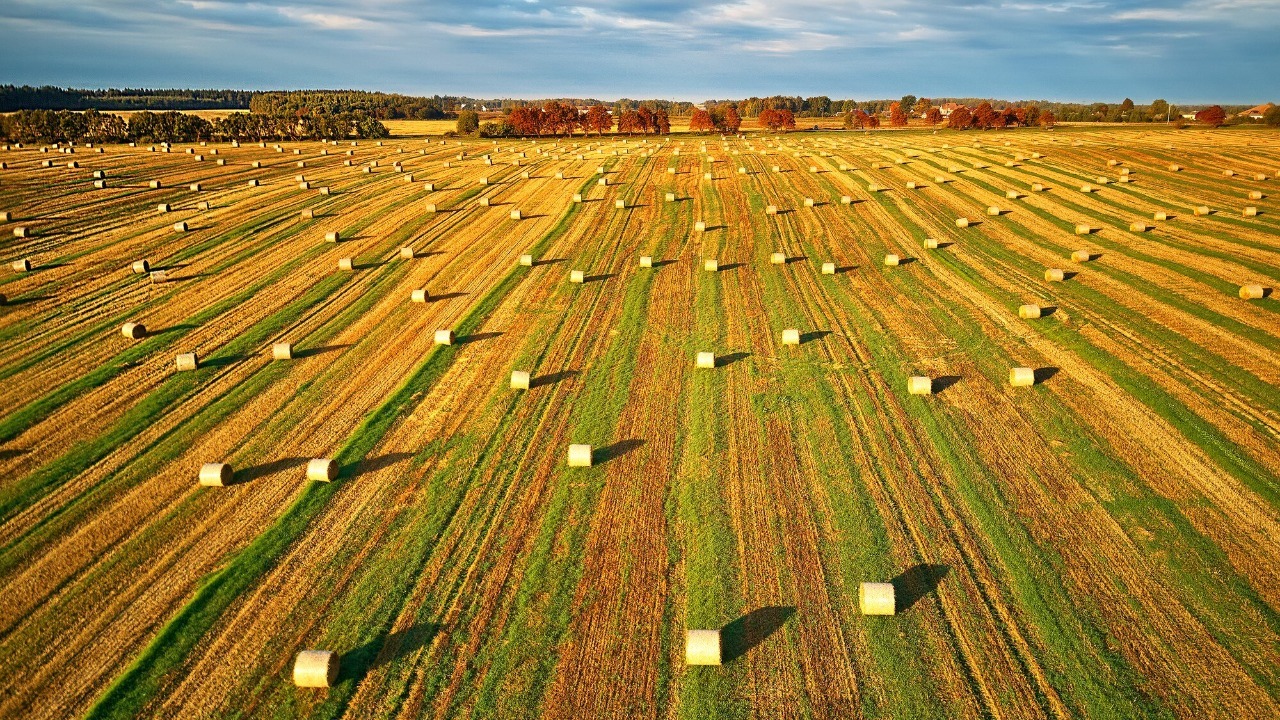
Diversification is a key strategy in managing investment risk, and farmland offers an excellent opportunity to diversify a portfolio. Unlike stocks and bonds, farmland is a tangible asset that is less correlated with financial markets. This means that farmland can provide a hedge against market volatility, offering stability and consistency to an investor’s portfolio.
As commodity prices fluctuate and economic conditions change, farmland remains a reliable asset that continues to produce value. It allows investors to achieve diversification while tapping into the growing demand for agricultural products. For those seeking to balance risk with potential returns, farmland is a compelling addition to any investment strategy.

Elias Broderick specializes in residential and commercial real estate, with a focus on market cycles, property fundamentals, and investment strategy. His writing translates complex housing and development trends into clear insights for both new and experienced investors. At The Daily Overview, Elias explores how real estate fits into long-term wealth planning.