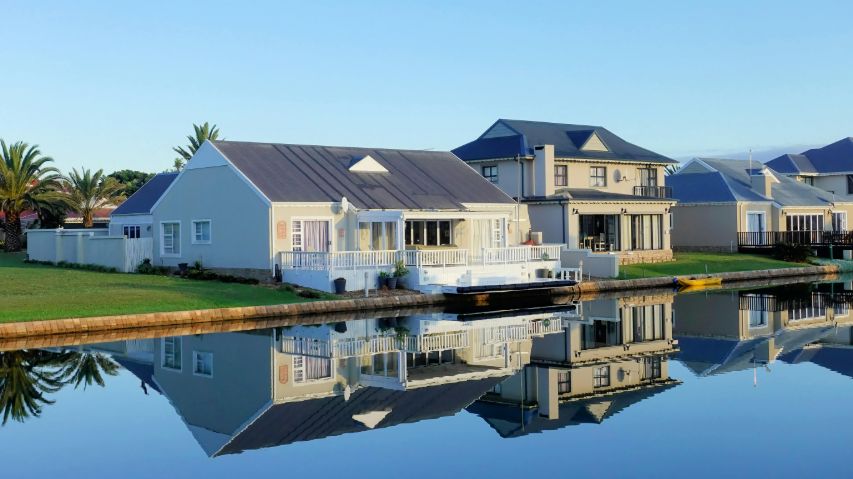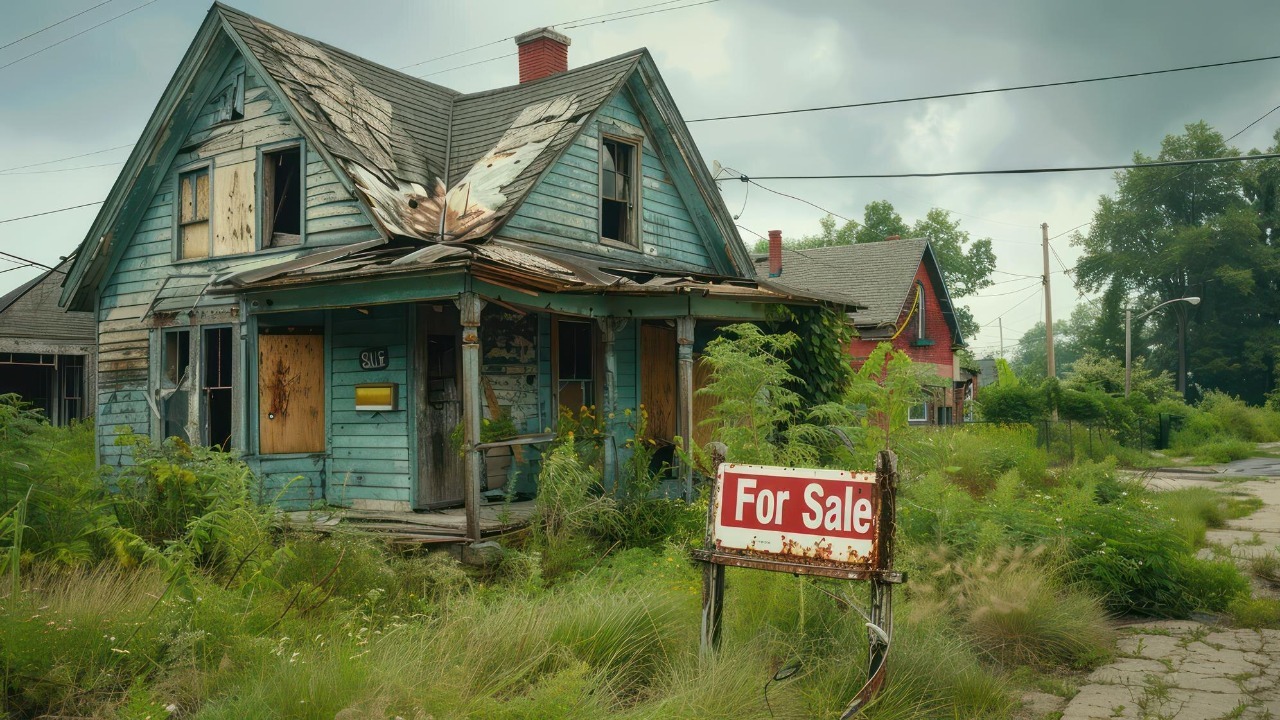
Buying abandoned homes for a fraction of their market value can be an exciting and lucrative venture for those willing to invest time and effort. From understanding the market to navigating legal complexities, there are numerous strategies for acquiring these properties. Learn how to turn abandoned homes into profitable investments with valuable insights for both novice and seasoned real estate investors.
Understanding the Appeal of Abandoned Homes
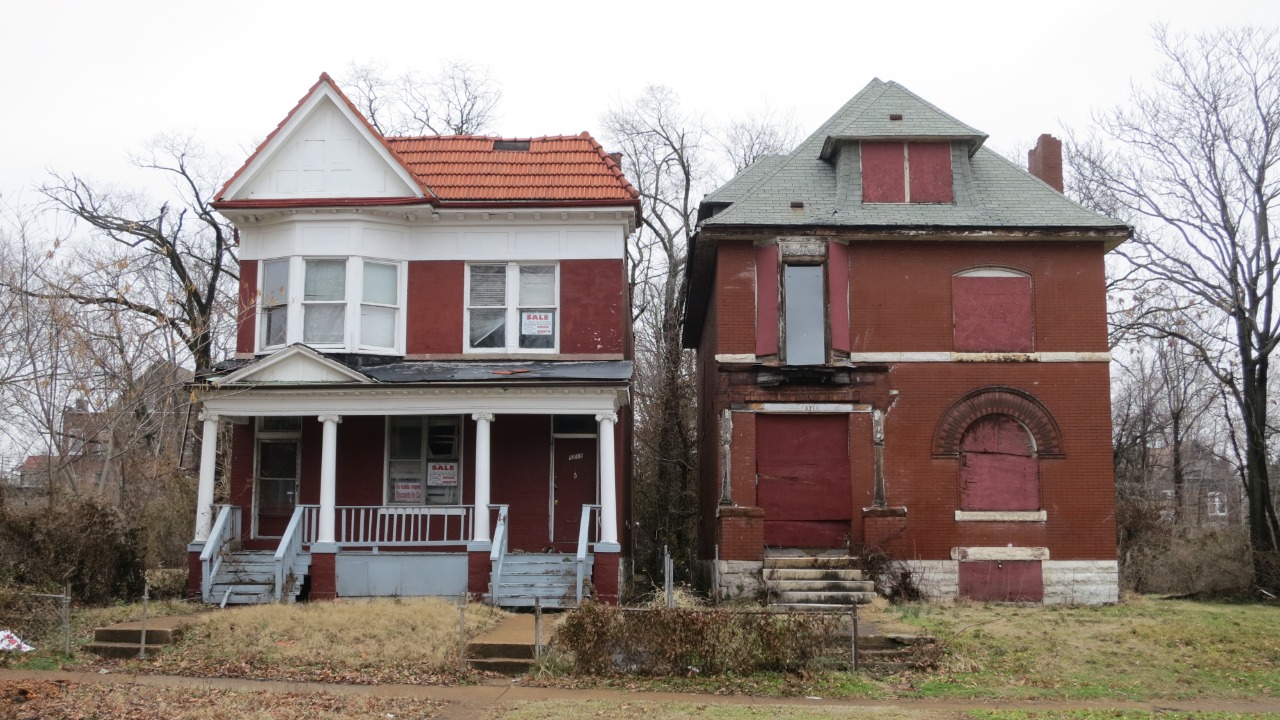
Abandoned homes often hold a unique allure, offering historical and architectural charm that is rare in modern properties. These can include European mansions and castles, each telling its own story through intricate designs and timeless elegance. For those with an eye for history and aesthetics, these homes provide an opportunity to own a piece of the past.
Moreover, the financial potential of these properties is significant. With strategic renovation, investors can resell these homes at a considerable profit. The ability to transform a neglected property into a sought-after commodity makes this avenue particularly enticing. Additionally, such properties can be tailored into unique living spaces or converted into business ventures, offering an attractive blend of personal satisfaction and financial reward.
Identifying Potential Properties

Finding abandoned homes begins with thorough research. Online listings and databases, such as Realtor.com and Reddit communities, are excellent starting points for identifying potential properties. These resources provide a wealth of information on available properties, including those that are not widely advertised.
Networking is also crucial. Real estate agents and local property scouts specializing in distressed properties can offer insights and opportunities that might not be accessible through online channels. Additionally, visiting local government offices or websites can yield information on tax delinquent properties or upcoming foreclosure auctions, presenting a chance to acquire homes at a fraction of their market value.
Evaluating the Investment

Before committing to a purchase, evaluating the investment’s viability is essential. Start by assessing the property’s condition, estimating renovation costs, and understanding its potential resale value. This involves a detailed inspection to identify structural issues, necessary repairs, and any restoration work required.
Location is another critical factor. Consider the property’s proximity to amenities, future neighborhood development plans, and overall desirability. Analyzing market trends and comparing similar property sales can provide a clearer picture of the investment’s potential. This thorough evaluation ensures that the investment aligns with financial goals and offers a promising return.
Navigating Legal and Financial Hurdles

Purchasing abandoned properties comes with its own set of legal complexities. It is vital to understand the legal implications, such as conducting title searches to uncover any liens or claims. This step is crucial in avoiding future disputes and ensuring a smooth transaction.
Financing options for purchasing and renovating these homes vary. From traditional loans to government grants, exploring these avenues can provide the necessary capital to transform an abandoned property. Additionally, understanding local regulations and securing required permits for renovation and occupancy is essential to avoid legal complications.
Renovation and Restoration Strategies
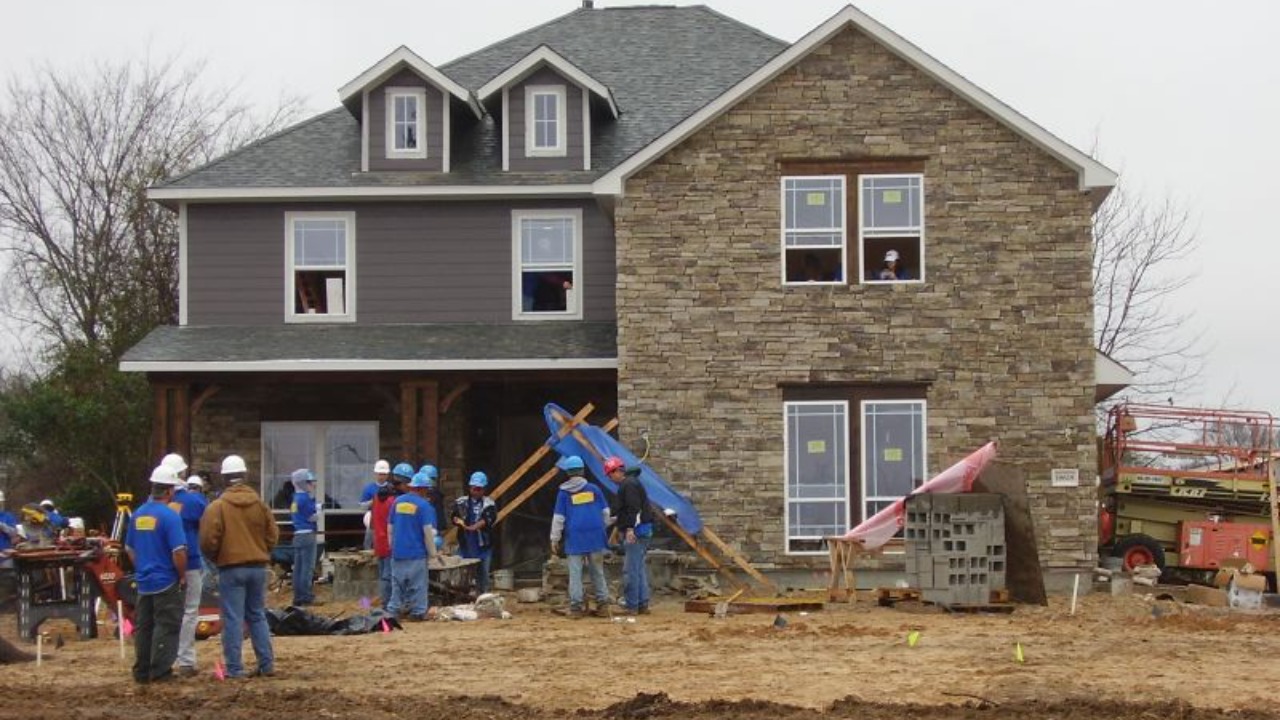
Developing a comprehensive renovation plan is critical for balancing cost-effectiveness with quality improvements. This plan should outline the scope of work, budget, and timeline, ensuring that the project stays on track. For historical properties, hiring skilled professionals for specialized restoration work is advisable to maintain architectural integrity.
Incorporating sustainable and modern upgrades can further increase the property’s value and appeal. Energy-efficient systems, smart home technology, and environmentally friendly materials not only enhance the living experience but also attract eco-conscious buyers. These upgrades can be a significant selling point in a competitive market.
Tips for Successful Resale or Rental

Once the renovation is complete, staging the property effectively is key to attracting potential buyers or renters. High-quality photographs, virtual tours, and well-organized showings can showcase the property’s best features and appeal to a broad audience.
Marketing the property through online platforms and local real estate networks is also essential. By setting competitive pricing based on thorough market analysis and the enhancements made, the property is more likely to attract serious interest. This strategic approach maximizes the chances of a successful resale or rental, ensuring a rewarding investment experience.

Elias Broderick specializes in residential and commercial real estate, with a focus on market cycles, property fundamentals, and investment strategy. His writing translates complex housing and development trends into clear insights for both new and experienced investors. At The Daily Overview, Elias explores how real estate fits into long-term wealth planning.