Regional soda brands that stay independent offer more than quirky flavors. They protect local jobs, preserve family recipes, and resist the kind of consolidation that has pulled labels like Moxie into giants such as Coca Cola Co. These six stubborn holdouts show how loyalty to place and people can matter as much as national shelf space.
1) Cheerwine
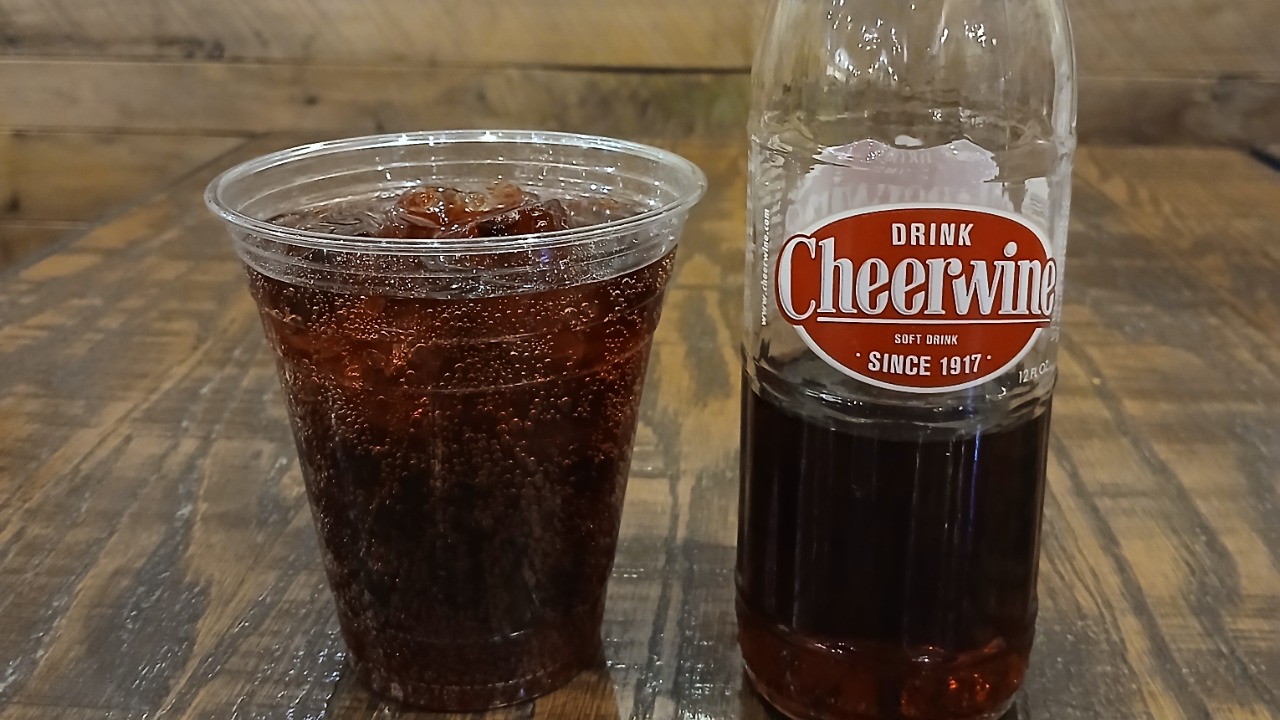
Cheerwine is the classic example of a regional soda that keeps turning down corporate suitors. L.D. Peeler created Cheerwine in 1917 in Salisbury, North Carolina, during a sugar shortage that pushed bottlers to experiment with formulas heavy on wild cherry. Reporting on Created Salisbury North describes how the drink became a local staple long before national brands dominated shelves. Another account notes that L.D. Peeler built the company into a symbol of small town resilience, and that the family has kept control rather than accept buyouts from larger competitors. A separate feature on Cheerwine The North explains that the soda inspires fierce devotion and occasional dislike, which only strengthens its identity as a regional original rather than a focus group product.
2) Ale 8 One
Ale 8 One, often shortened to Ale 8, is another century old survivor that has stayed out of corporate hands. Coverage of its 90th anniversary describes how Ale 8 One is regarded as the oldest independent soda company in the United States still owned and operated by the founding family, with each batch hand mixed well into the 2000s. The brand’s ginger and citrus profile grew from a Kentucky recipe that never tried to mimic national colas. That same reporting on Aug Ale One highlights how the company leans on cocktails and regional nostalgia rather than mass advertising budgets. By keeping production close to home and ownership in the family, Ale 8 One shows how a small bottler can compete through heritage and flavor instead of scale.
3) Blenheim Ginger Ale
Blenheim Ginger Ale Blenheim offers a far spicier kick than mainstream ginger sodas, and it has also resisted the path to corporate consolidation. One Southern profile notes that Blenheim has been family owned and operated since the early 1800s, originating when Dr. C.R. May prescribed mineral spring water mixed with ginger to patients. That medicinal origin evolved into a fiercely hot soft drink that never tried to chase the mild taste of national Ginger Ale brands. Another history of Southern soft drinks points out that Blenheim, now tied to a promoter of South Carolina’s tourist complex South of the Bord on Interstate 95, still leans on its small batch character and cult following. The write up on Blenheim Ginger Ale adds that the soda’s intense burn divides drinkers, which reduces mass market appeal but strengthens its status as a regional original that larger corporations might struggle to manage.
4) Boylan Bottling Company
Boylan Bottling Company is one of the few remaining independent soda brands with national distribution. The company traces its History to 1891, when a pharmacist in Paterson, New Jersey, developed a birch beer recipe that became its first product. A detailed entry on History Boylan Paterson notes that the brand stayed relatively small for decades before expanding its lineup. Later, Ron and Mark Fiorina’s grandfather acquired Boylan, and a family member joined Boylan’s board of directors to guide its modern growth. A separate description of the company’s positioning emphasizes that Boylan Bottling Co markets itself as one of the few independent soda makers left in the country, using cane sugar and glass bottles to stand apart from high fructose competitors. The profile on Ron and Mark underlines how family stewardship, rather than corporate ownership, has shaped its decisions.
5) Cheerwine’s Southern peers
The South is full of smaller soda labels that, like Cheerwine, have chosen independence over buyouts. A feature on regional soft drinks highlights several Southern made sodas that are not part of Coca Cola, including cherry heavy Cheerwine, citrusy Grapico, and other niche flavors that rarely appear outside their home states. The overview at 5 best Southern frames these brands as alternatives to the Coca Cola template rather than imitators. Within that group, Cheerwine stands out as a North Carolina icon created by Peeler when American rationing limited sugar, but the same piece also praises other small bottlers for staying rooted in local tastes. Another section focusing on how Grapico is used in cocktails notes that these drinks thrive in bars and home kitchens that want something different from national lemon lime or cola mixers. By staying independent, these Southern peers keep control over recipes and branding that might be diluted inside a multinational portfolio.
6) New wave craft sodas
Alongside heritage names, a newer wave of craft sodas is also choosing independence. Sprecher in Wisconsin, for example, fire brews its sodas in kettles and uses raw Wisconsin honey as a primary sweetener for its colas. Reporting on Sprecher Wisconsin explains that this method gives the drinks a richer flavor profile than mass produced competitors and positions the brand as a premium regional choice. Other independents lean on similar strategies, from cane sugar recipes to nostalgic glass packaging, to avoid direct price wars with global players. A broader look at Today Grapico is in cocktails shows how bartenders and retailers treat these sodas as specialty ingredients rather than commodity soft drinks. By focusing on craft techniques and regional loyalty, this new wave keeps ownership local while still challenging the dominance of national soda conglomerates. More From The Daily Overview
*This article was researched with the help of AI, with human editors creating the final content.

Grant Mercer covers market dynamics, business trends, and the economic forces driving growth across industries. His analysis connects macro movements with real-world implications for investors, entrepreneurs, and professionals. Through his work at The Daily Overview, Grant helps readers understand how markets function and where opportunities may emerge.