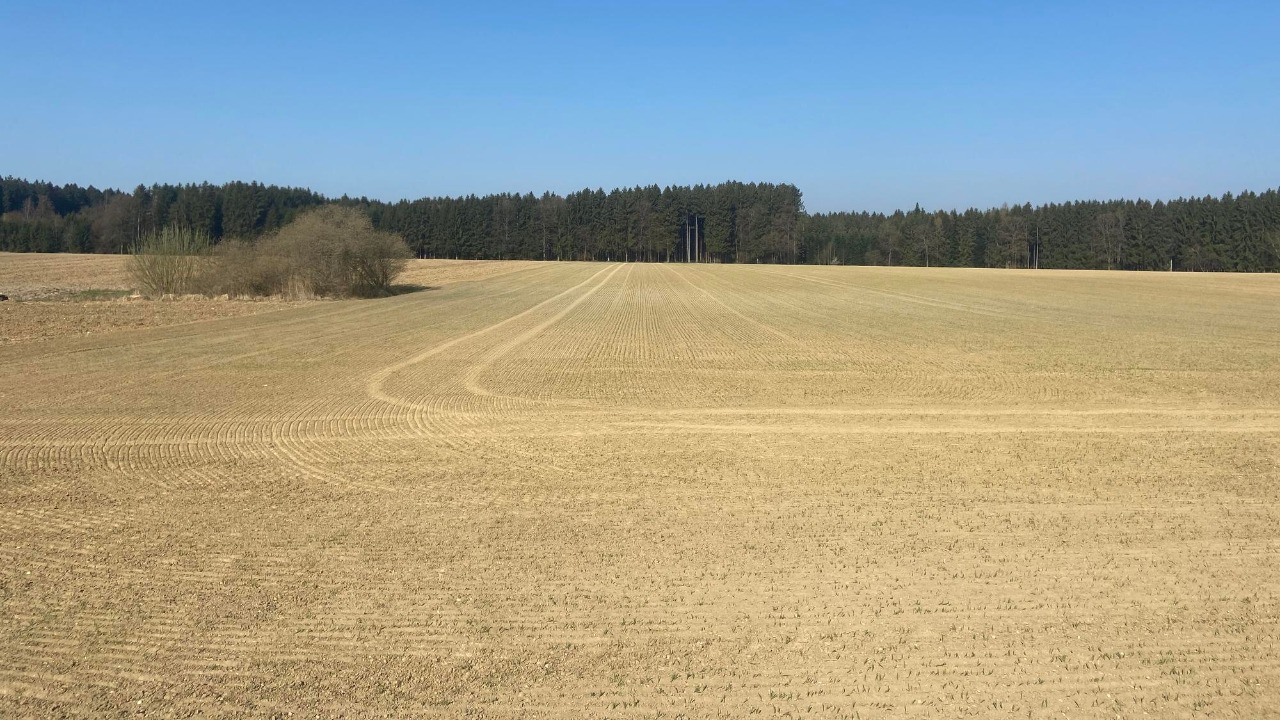
Owning empty land opens up numerous opportunities for generating income. Whether you’re looking to lease, harvest, or host, your vacant property holds the potential to become a lucrative asset. Here are seven ways to profit from your empty land.
Agricultural Leasing

One of the simplest ways to make money from empty land is by leasing it for agriculture. Farmers are often in search of additional plots to grow crops or raise livestock. Leasing your land can provide a steady income stream without requiring you to manage the day-to-day operations. Research the types of crops or livestock that are in demand in your area to determine the best leasing opportunities.
Before finalizing any agreements, ensure you understand the legal aspects of land leasing. Consider consulting with a real estate attorney to draft a lease contract that protects your interests while providing value to the lessee.
Timber Harvesting
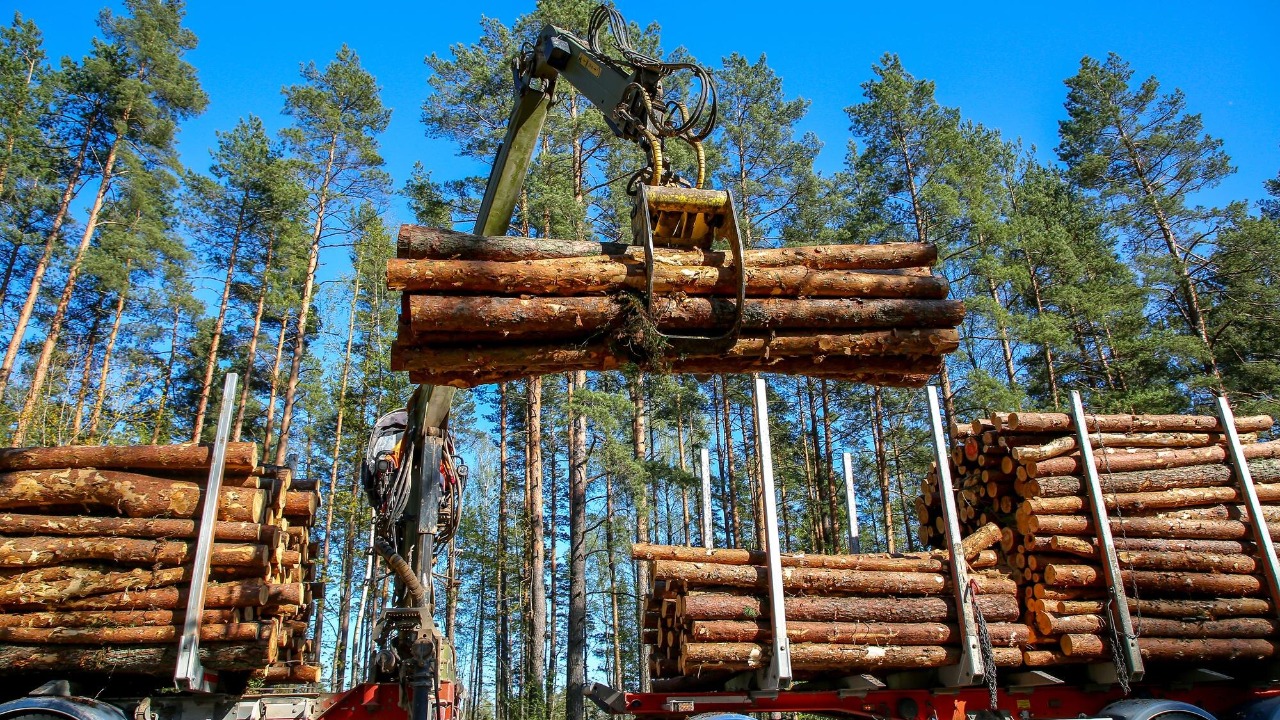
If your land is wooded, timber harvesting can be a viable income source. Timber companies are often willing to pay for the rights to harvest trees on your property. Conduct an assessment to determine the types of trees available and their market value. Engaging a forestry consultant to evaluate your land can help maximize your profits while maintaining sustainability.
It’s crucial to manage the environmental impact of timber harvesting. Consider implementing a sustainable forestry plan to ensure the long-term viability of your land’s resources. Proper planning can enhance the environmental benefits and potential resale value of your property.
Renewable Energy Projects

With the growing demand for renewable energy, vacant land can be an excellent site for solar or wind energy projects. Leasing your land to energy companies for solar panels or wind turbines can provide a substantial income while contributing to a sustainable future. Evaluate your property’s location and climate to determine its suitability for energy projects.
Engage with companies specializing in renewable energy to explore potential partnerships. When negotiating contracts, ensure you understand the financial implications and benefits of hosting renewable energy infrastructure on your land.
Recreational Facilities

Your empty land might be perfect for recreational use, such as campsites, hiking trails, or hunting grounds. These facilities can attract outdoor enthusiasts and generate a steady income through entrance fees or seasonal passes. Consider the natural features of your land to determine suitable recreational activities.
Before development, research local zoning laws and obtain necessary permits. Creating a comprehensive business plan can help you effectively market your recreational facilities and manage operational costs.
Outdoor Advertising

If your property is located near a busy road or highway, it could be ideal for outdoor advertising. Leasing space for billboards can provide a consistent revenue stream. Advertisers are often eager to find new locations with high visibility to promote their products or services.
Ensure compliance with local regulations governing billboard placement and size. Partnering with an advertising company can simplify the process, as they often manage the logistics and installation of the billboards, leaving you with minimal responsibilities.
Event Hosting

Transform your land into a venue for events like weddings, festivals, or corporate retreats. An open field or scenic backdrop can be highly sought after for special occasions. Event hosting can be a lucrative venture if you have the infrastructure to support it, such as parking and restroom facilities.
Concentrate on marketing your property to event planners and coordinators. Providing a unique experience can make your venue stand out in a competitive market. Maintaining a good relationship with local vendors can also enhance the appeal of your property as a go-to event location.
Land Appreciation and Resale

Investing in land with the intent to sell later can be a strategic approach to capitalizing on property value appreciation. As urban areas expand, the demand for land increases, potentially raising its market value. Research trends in your area to identify when selling might yield the highest returns.
Consider improvements that could boost your land’s resale value, such as clearing debris or adding basic infrastructure. Staying informed about local real estate trends can guide you in making profitable selling decisions.

Elias Broderick specializes in residential and commercial real estate, with a focus on market cycles, property fundamentals, and investment strategy. His writing translates complex housing and development trends into clear insights for both new and experienced investors. At The Daily Overview, Elias explores how real estate fits into long-term wealth planning.