
Jeff Bezos may be one of the richest individuals in the world, but even he hasn’t been immune to making financial missteps. Through these challenges, Bezos has garnered invaluable lessons that helped mold Amazon into the powerhouse it is today. Let’s take a closer look at some of his most noted financial mistakes and the pearls of wisdom he derived from them.
Misjudging the Dot-Com Bubble

In the late 1990s, the dot-com bubble was a period of excessive speculation in internet-based companies. Jeff Bezos, like many entrepreneurs, found himself caught up in the frenzy. Amazon’s stock price skyrocketed, only to crash when the bubble burst. Bezos realized the importance of focusing on long-term stability over short-term gains. This experience shaped his perspective on cautious and sustainable growth, emphasizing the importance of diversifying Amazon’s business model beyond just selling books online. More details here.
By learning from the crash, Bezos pivoted Amazon towards profitability, stressing the significance of cash flow and customer satisfaction. This strategic shift ensured Amazon’s survival and growth in the years to come, eventually leading to its dominance in e-commerce.
Underestimating Competition in China

Amazon’s entry into the Chinese market was met with fierce competition from local companies like Alibaba and JD.com. Bezos underestimated the strength of these established players and the challenges of adapting to a different consumer culture. Realizing the need for localized strategies, Amazon had to reevaluate its approach and ultimately decided to scale back its operations in China.
This experience underscored the importance of understanding regional market dynamics and the necessity of tailoring business strategies to fit local needs. It taught Bezos the value of flexibility and adaptability when entering new markets, lessons that continue to influence Amazon’s global expansion strategies today.
Overinvestment in the Fire Phone
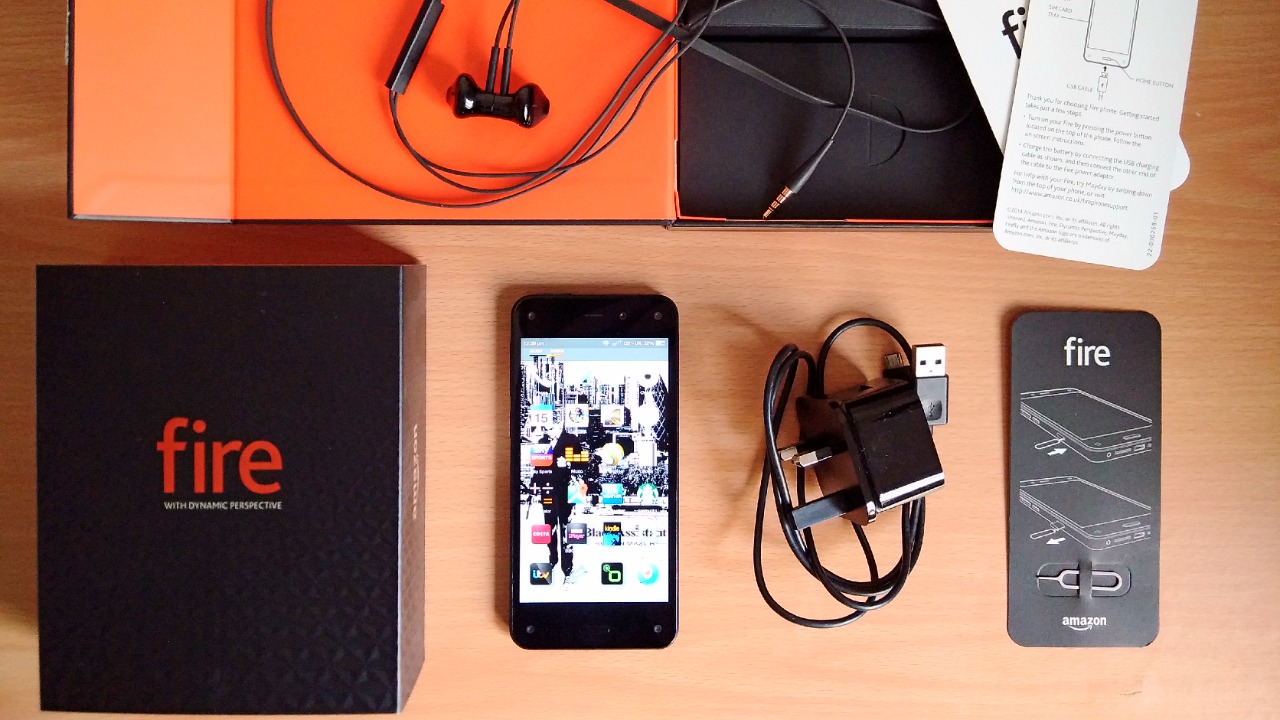
In 2014, Amazon launched the Fire Phone, a project that turned out to be a costly failure. Despite the device’s innovative features, it struggled to compete with established brands like Apple and Samsung. Bezos overestimated consumer interest and underestimated the challenges of breaking into the saturated smartphone market. The failure of the Fire Phone was a harsh lesson on the importance of market research and consumer demand.
Despite the setback, Bezos applied these learnings to future projects, focusing on customer-centric innovations such as the Echo smart speakers. This shift towards understanding consumer needs has led to successful product lines that have become staples in households worldwide. For more insights, check this article.
Delayed Entry into Streaming Video
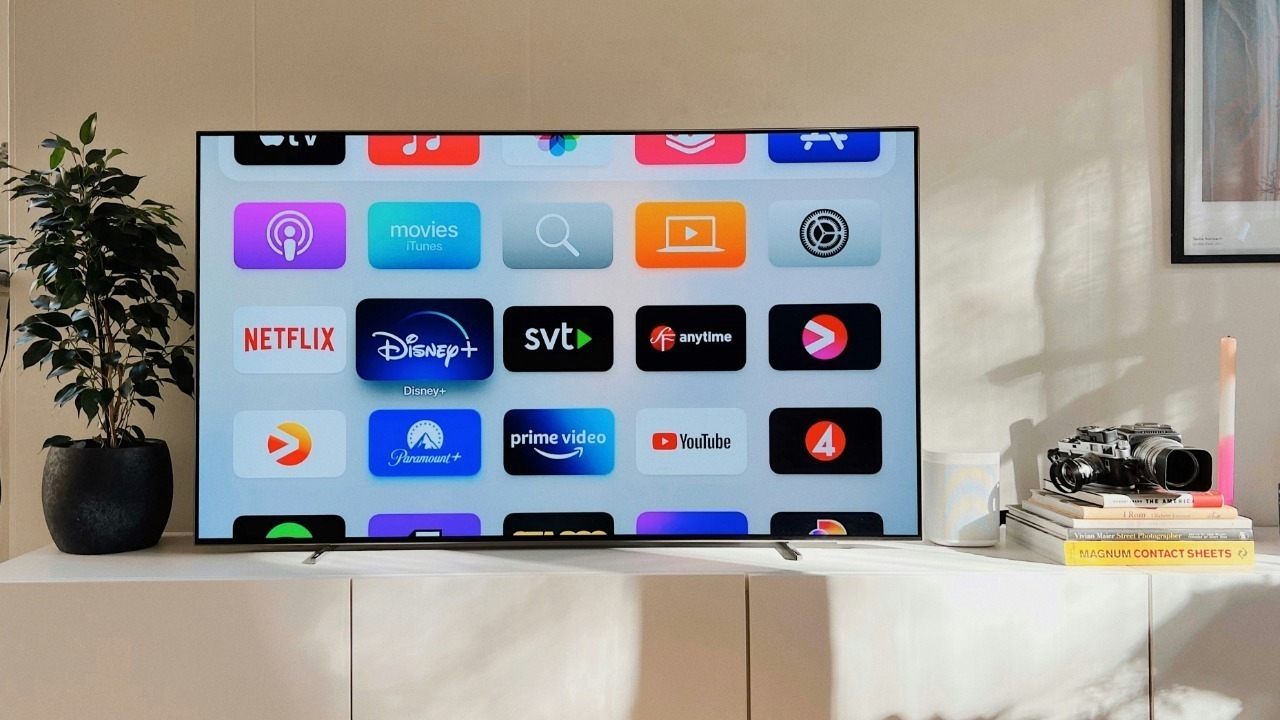
Initially slow to enter the streaming video market, Amazon missed an early opportunity to capitalize on this burgeoning industry. Competitors like Netflix and Hulu had already established strong footholds by the time Amazon Prime Video launched. Bezos quickly recognized the importance of original content and invested heavily in creating Amazon Studios.
This delay taught him the significance of timing and the need to act swiftly in emerging industries. By prioritizing high-quality content and securing exclusive deals, Amazon Prime Video has since become a major player in the streaming landscape, offering a competitive alternative to its rivals. A detailed analysis can be found here.
Initial Reluctance to Embrace Third-Party Sellers

In Amazon’s early days, Bezos was hesitant to allow third-party sellers on the platform, fearing it might dilute customer experience. However, he eventually recognized the potential to expand product offerings and increase customer choice. Embracing third-party sellers not only boosted Amazon’s revenue but also enhanced its position as a comprehensive marketplace.
This decision highlighted the importance of listening to consumer demands and being open to changing preconceived business notions. The inclusion of third-party sellers has since become a cornerstone of Amazon’s success, accounting for a significant portion of its sales. For a deeper dive, visit this study.

Cole Whitaker focuses on the fundamentals of money management, helping readers make smarter decisions around income, spending, saving, and long-term financial stability. His writing emphasizes clarity, discipline, and practical systems that work in real life. At The Daily Overview, Cole breaks down personal finance topics into straightforward guidance readers can apply immediately.

