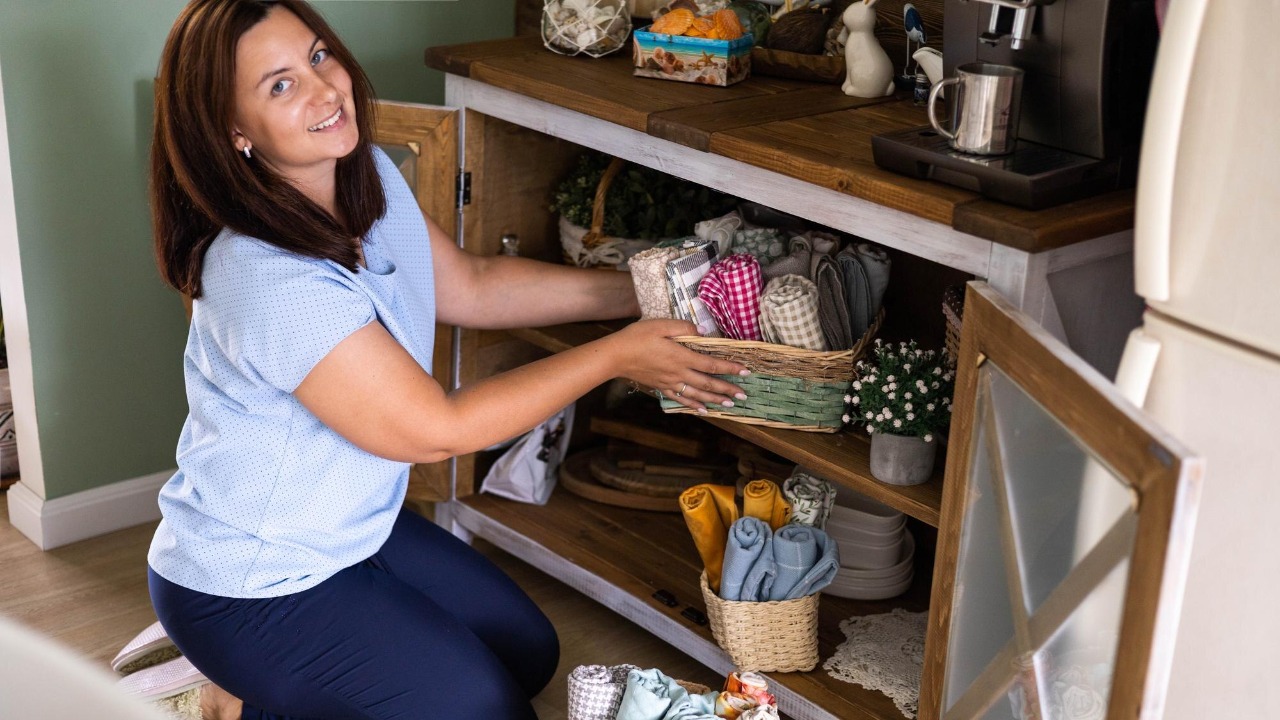
When I walk into a listing that is about to hit the market, I know the fastest way to boost its appeal is to start hiding specific everyday items. Professional stagers consistently strip out anything that distracts buyers from the architecture, light, and layout, because a neutral, uncluttered backdrop sells. Here are eight categories I always remove before the first showing, and why they matter so much for your final sale price.
1) Personal Photos and Memorabilia
Personal photos and family memorabilia are the first things I pull, because they prevent buyers from imagining their own lives in the rooms. Multiple staging guides stress that you should remove personal items such as family photos, children’s artwork, and personal collections so the space feels like a “neutral and inviting atmosphere” rather than someone else’s story. Another guide notes that highly important to when staging, because buyers need a blank canvas.
Professional stagers even talk about how stagers remove all and then replace them with simple, generic art so anyone can picture their own life unfolding there. When I depersonalize a home this way, I see buyers linger longer in each room and talk about where their own furniture or photos might go, which is exactly the kind of emotional connection that leads to stronger offers.
2) Bills and Personal Documents
Bills, mail, and personal documents are another category I always hide before a house hits the market, both for privacy and presentation. One detailed checklist warns that homeowners routinely overlook stacks of mail and paperwork, even though hiding personal documents is critical to protect sensitive information like account numbers and medical details. A separate staging guide on mail and paperwork explains that these piles visually clutter entry tables and kitchen counters.
When buyers see overdue notices, tax forms, or insurance letters, they subconsciously associate the home with stress and unfinished tasks. Clearing every envelope, school flyer, and sticky note from view keeps the focus on the finishes and floor plan instead of your personal life. It also reduces the risk of identity theft during busy open houses, when dozens of strangers may be walking through unsupervised.
3) Valuables and Heirlooms
Valuables and heirlooms are always removed or locked away before showings, because open houses are not controlled environments. A widely cited selling guide advises owners to clear out anything that would be devastating to lose, grouping jewelry, small electronics, and sentimental pieces among the things you should. Another staging overview on things home stagers reinforces that collectibles and fragile items should be packed up early.
From my perspective, the stakes are twofold. First, there is the obvious security risk when multiple agents, inspectors, and buyers cycle through the property. Second, ornate collections and display cases visually compete with the home’s features and can make rooms feel crowded. By storing valuables off-site or in a safe, you protect yourself while also simplifying sightlines so buyers notice the built-ins, windows, and scale instead of your china or coin collection.
4) Countertop Clutter
Cluttered countertops are one of the fastest ways to make a kitchen or bathroom feel cramped, so I clear them aggressively. A staging breakdown on things home stagers highlights everyday kitchen and bathroom items as prime targets, from extra utensils to half-used toiletries. Another guide focused on things home stagers from kitchens lists small appliances, personalized kitchenware, seasonal decor, and general clutter as items that should be stored.
When I pare surfaces down to a single coffee maker, a soap dispenser, and maybe a small plant, the room instantly reads as larger and more high-end. A separate tip sheet on making homes feel bigger notes that declutter and organize is the first step to creating a spacious feel. That visual breathing room helps buyers focus on countertops, tile, and appliances, which directly influences how they value the home.
5) Pet Accessories
Pet accessories like bowls, beds, and litter boxes are another category I always hide, even in pet-loving markets. A detailed staging list of Things Home Stagers a House Goes On The Market specifically calls out Personal Items and Unnecessary Children Items, and many pros fold pet gear into that same “unnecessary” bucket. Another decluttering overview notes that removing excess items, which applies directly to pet clutter.
From a buyer’s perspective, visible pet gear can raise concerns about odors, stains, or allergy triggers, even if the home is spotless. By tucking away food bowls, crates, scratching posts, and dog towels before every showing, I keep the focus on clean floors and fresh air. This neutral presentation broadens the pool of interested buyers, including those who do not own animals or who worry about maintenance.
6) Kids’ Toys and Gear
Children’s toys and gear are charming in daily life but distracting in a listing, so I pack them up wherever possible. A staging guide on Unnecessary Children Items explains that stagers remove extra kids’ belongings to streamline rooms. Another professional checklist on Things Professional Stagers includes dirty clothes and similar clutter that often piles up in family spaces.
When I reduce a playroom to a single curated shelf and a neat rug, the space suddenly reads as a flexible bonus room that could be an office, gym, or guest suite. That versatility is crucial for buyers who do not have children or whose kids are older. It also helps photographs look cleaner, which is important because most buyers decide whether to schedule a showing based on listing photos alone.
7) Religious and Political Items
Religious and political items are always removed before I let buyers through the door, because they can trigger instant, unconscious bias. A staging overview on why you need when staging emphasizes that one of the primary reasons to remove personal items is to create a neutral and inviting atmosphere. Another guide on staging dos and don’ts notes that although you should remove most personal items and decorations, although you do not want the home to feel soulless, overtly personal symbols can be problematic.
In practice, that means I store away political campaign signs, bumper stickers, religious artwork, and devotional objects before photography and showings. The goal is not to hide your identity permanently, but to prevent any buyer from feeling that the home “belongs” to a particular worldview. A neutral backdrop keeps the conversation focused on price, condition, and layout instead of beliefs, which ultimately protects your negotiating position.
8) Heat-Generating or Stuffing Items
Finally, I always remove items that make rooms feel stuffy or overheated, such as excess linens, heavy drapes, and unused appliances. A detailed breakdown of things making home points out that layers of fabric, dense bedding, and constantly running electronics can raise the perceived temperature. Another staging list on Unnecessary Kitchen and and Seasonal Clothing and Decor shows how pros strip out extras to lighten spaces.
In kitchens, I often unplug and store rarely used appliances to reduce both visual and actual heat, echoing advice on things home stagers and on House Goes On checklists. In bedrooms and living rooms, I edit down throw blankets, pillows, and layered curtains so the air feels cooler and fresher. A home that feels light and comfortable encourages buyers to linger, which is often the first step toward a serious offer.
More From The Daily Overview

Elias Broderick specializes in residential and commercial real estate, with a focus on market cycles, property fundamentals, and investment strategy. His writing translates complex housing and development trends into clear insights for both new and experienced investors. At The Daily Overview, Elias explores how real estate fits into long-term wealth planning.

