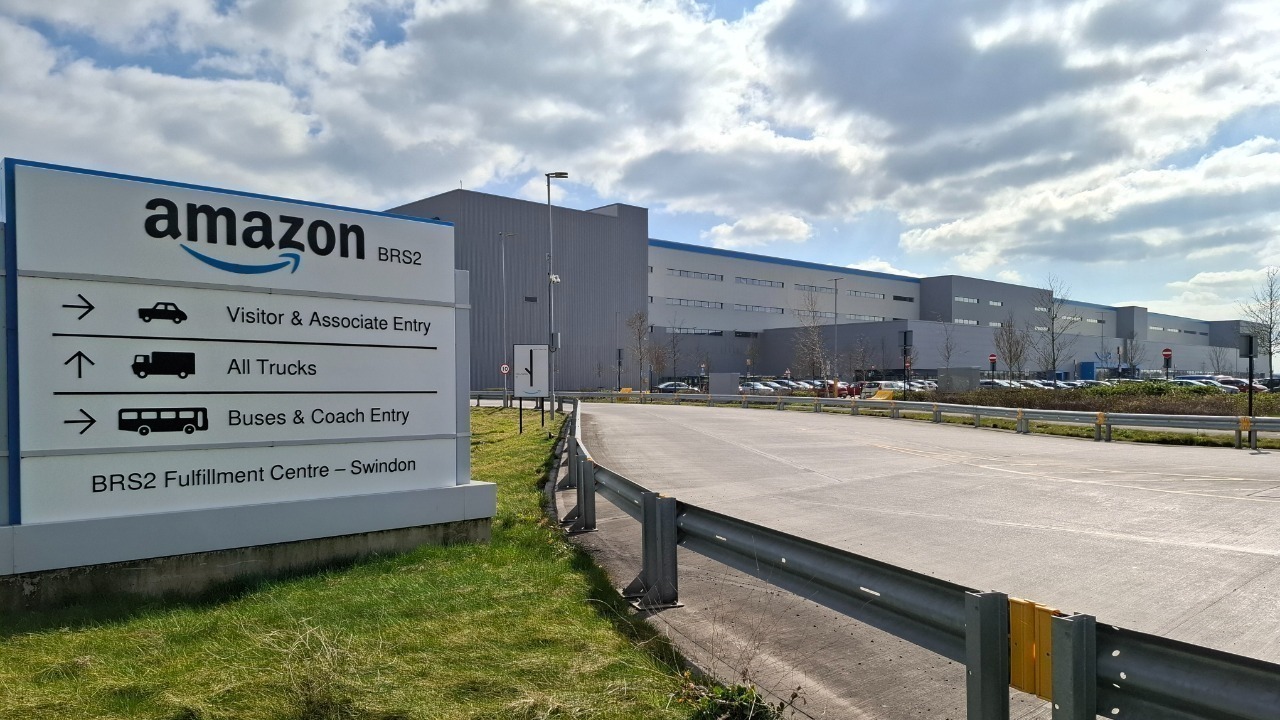
Amazon is preparing to send out a wave of refunds tied to a $2.5 billion settlement over how it signed people up for Prime and kept them paying. The deal with federal regulators is structured so that millions of customers could see money land in their bank accounts or Amazon balances without lifting a finger, while others will need to file a claim before the deadline. The key question for anyone who has ever clicked “Try Prime” is whether their enrollment or cancellation experience fits the criteria that unlock a share of the payout.
I am going to walk through what regulators say Amazon did wrong, who qualifies for automatic payments, who has to apply, and how to avoid scams that are already circling the refund process. The goal is simple: if you are entitled to part of the $2.5 billion, you should know exactly how to claim it and what to expect.
Why Amazon is paying $2.5 billion in the first place
The settlement grew out of a long running fight over how Amazon marketed and managed Prime, a subscription that wraps fast shipping, streaming video and other perks into a single monthly or annual fee. According to the Federal Trade Commission, the company used what regulators describe as “sophisticated subscription traps” that nudged people into Prime and then made it far harder to cancel than to sign up. Federal Trade Commission Chairman Andrew Ferguson said Amazon relied on design tactics that obscured the true cost of Prime and buried the exit ramps, a pattern that regulators argue violated consumer protection law and justified a $2.5 billion penalty.
That figure is not just a headline number, it is the backbone of a refund program that will stretch across the United States and cover years of Prime enrollments. The settlement with the Federal Trade Commission is structured so that a large share of the money flows directly to consumers who paid for Prime after being enrolled in ways the agency considers deceptive. Regulators say Amazon’s enrollment flows and cancellation screens were engineered to keep people paying, and the settlement is meant to unwind at least some of those charges by routing billions back to affected customers through a mix of automatic credits and claim based payments.
What regulators say Amazon did wrong with Prime
At the heart of the case is the allegation that Amazon designed its Prime sign up and cancellation systems to confuse, delay or deter customers who might otherwise walk away. The Federal Trade Commission’s complaint describes a pattern in which shoppers were steered into Prime during checkout, sometimes with pre checked boxes or language that emphasized free shipping while downplaying the recurring subscription. Once enrolled, people who tried to cancel were pushed through multiple screens and offers, a process that the Federal Trade Commission says was intentionally “extremely difficult to cancel.”
Federal Trade Commission Chairman Andrew Ferguson’s description of “sophisticated subscription traps” is not just rhetorical flourish, it reflects a broader crackdown on so called dark patterns in digital interfaces. In the Amazon case, regulators argue that the company’s design choices led people to pay for Prime even when they did not fully understand they had signed up or believed they had already canceled. That is why the settlement focuses on Prime enrollment and cancellation behavior, and why the refund program is keyed to specific periods when Amazon’s practices allegedly crossed the line into unlawful deception, as detailed in the Amazon Prime settlement terms.
How the $2.5 billion is being turned into refunds
The settlement does not simply hand $2.5 billion to the government, it sets up a structured process to identify affected customers and send money back to them. A portion of the fund is earmarked for automatic payments to people whose accounts show they were enrolled in Prime and charged during the period when the Federal Trade Commission says Amazon’s practices were unlawful. Another portion is reserved for customers who must affirmatively file a claim because their eligibility depends on details that are not obvious from Amazon’s internal records, such as whether they tried to cancel but were unable to do so.
According to The Brief on the refund program, Amazon has opened a claims process that sits alongside the automatic payment track. The Federal Trade Commission’s Fraud Prevention Division is involved in overseeing how the money is distributed, and the settlement administrator is responsible for verifying claims and cutting checks or issuing electronic payments. The structure is designed to balance speed and accuracy, with automatic refunds covering clearly eligible accounts and the claims process catching edge cases that still fit the criteria but require more documentation.
Who qualifies automatically and who has to file
Not everyone who has ever paid for Prime will see money automatically appear. The settlement carves out specific groups of Amazon customers who qualify without filing anything, typically those whose accounts show they were enrolled in Prime between particular dates and charged under the disputed practices. Reporting on the settlement explains that Many customers will be eligible for an automatic payment if they were enrolled in Prime and billed during the covered period, which runs through late June 2025, and if Amazon’s records show that enrollment happened through the flows the Federal Trade Commission challenged.
Others will need to take action. Guidance on Can Floridians get part of the $2.5 billion Amazon settlement explains that customers who signed up for Prime and then tried to cancel but were unable to do so, or who believe they were charged after attempting to end the service, may be eligible only after submitting a claim. The same criteria apply nationally, not just in Florida, and hinge on whether you signed up for Prime, were charged for it, and faced barriers when you attempted to cancel or avoid ongoing fees.
How to check if you are on the refund list
The first sign that you qualify will likely arrive in your inbox. Settlement materials explain that eligible customers will be notified by email if they are in line for an automatic payment or if they are invited to submit a claim. Coverage of the settlement notes that Eligible customers will be notified and told whether they need to do anything, and that the Federal Trade Commission will not call people about refunds, a detail that is crucial for spotting scams.
Even if you do not see an email, you can still check your status by visiting the official settlement administrator’s website, which is linked from the Federal Trade Commission’s own Amazon Refunds page. That page explains that as the result of the settlement, Amazon will provide refunds to customers and that the settlement administrator can be reached at a dedicated email address for questions. The Federal Trade Commission emphasizes that it is not contacting people by phone about refunds, so any call claiming to be from the agency about Amazon money is a red flag.
Step by step: filing a claim if you are eligible
If you receive a notice inviting you to file, or if you believe you qualify based on your Prime history, the next step is to complete the online claim form before the deadline. Instructions in state specific coverage, such as guidance on How do I know if I am eligible, explain that anyone qualified to submit a claim will be notified by email and directed to the official site, where they can confirm their identity, review their Prime charges between January 5 and July 21, 2026, and attest to their experience with enrollment or cancellation. The form typically asks for contact details, preferred payment method and confirmation that the information is accurate under penalty of perjury.
For customers in Mississippi, similar instructions on Automatic payments and claims explain that the first payments will be issued according to the settlement site’s schedule, and that those who are not in the automatic group can still file online. The process is designed to be straightforward, more like checking out on Amazon than navigating a legal filing, but it is still important to read each question carefully and ensure that your answers match your actual Prime history, including whether you tried to cancel and were unable to do so.
How much money you might actually receive
The headline number, $2.5 billion, is enormous, but the amount any one person receives will depend on how many people qualify and how much they paid for Prime during the covered period. Settlement guidance for Florida residents notes that the total fund is $2.5 billion and that payments will be calculated based on how much each person spent on Prime membership fees during the relevant timeframe. That means someone who paid for multiple years of Prime while caught in the disputed enrollment or cancellation flows could see a larger refund than someone who was charged for only a few months.
Another key factor is how many people ultimately file valid claims. Guidance on How much money will I get explains that there is no fixed per person amount, and that the final payment will depend on the total number of eligible customers and the share of the fund allocated to consumer refunds after administrative costs. The online superstore has already set aside the money, but the exact check or electronic transfer you receive will be determined only after the claims window closes and the settlement administrator tallies up how many people are entitled to a slice.
How and when payments will arrive
Once eligibility is confirmed, the settlement administrator will send payments using methods that are familiar to most online shoppers. Coverage of the refund program notes that Millions of Amazon Prime members are expected to receive refunds as part of the $2.5 suit, with options including direct deposit, paper checks and credits to Amazon balances, depending on what customers choose or what is available for automatic payments. The settlement administrator’s website, which is linked from the Federal Trade Commission’s materials, will list the specific options and any deadlines for cashing checks or redeeming credits.
Timing will vary, but the first wave of automatic payments is expected to go out relatively quickly once the claims period opens and the administrator verifies account data. Guidance for Mississippi residents explains that the online superstore has already begun the process of setting up payments and that the amount each person can get will depend on the final claims tally, as described in coverage of The online superstore and the settlement. Customers who file claims should keep an eye on their email for confirmation and on their bank accounts or mailboxes for the actual payment once the administrator starts distributing funds.
How to avoid scams and what this means beyond Amazon
Whenever billions of dollars in refunds are in play, scammers are not far behind. The Federal Trade Commission has already warned that it is not calling people about refunds in the Amazon matter and that anyone who gets a phone call asking for bank details or upfront fees to release money is dealing with a fraudster. The agency’s Amazon Refunds page makes clear that legitimate communications will come by email or mail, that the settlement administrator can be reached at a specific email address, and that consumers should never pay to get a refund that is already owed to them.
This case also fits into a broader pattern of consumer settlements that are reshaping how big companies handle data, subscriptions and recurring charges. For example, in a separate matter unrelated to Amazon, a class action over a cyber incident at a major snack maker led to the Claims Deadline This website, which is authorized by the Court, supervised by counsel to the Parties and controlled by the settlement administrator. The parallel is not about the underlying conduct, which is different, but about the mechanics: in both situations, consumers are directed to official sites, told to watch for email notices and warned to ignore unsolicited calls or messages that try to hijack the refund process.
More From TheDailyOverview

Cole Whitaker focuses on the fundamentals of money management, helping readers make smarter decisions around income, spending, saving, and long-term financial stability. His writing emphasizes clarity, discipline, and practical systems that work in real life. At The Daily Overview, Cole breaks down personal finance topics into straightforward guidance readers can apply immediately.
