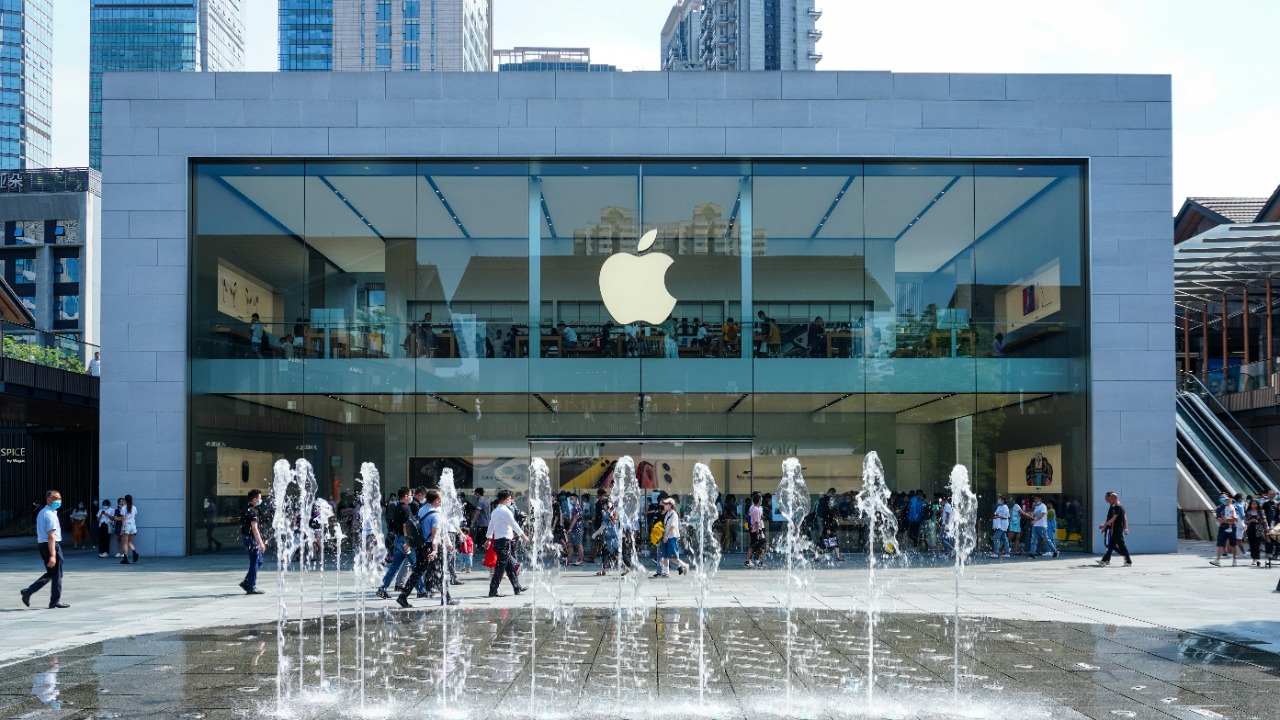
Apple’s recent announcement of a $100 billion investment in the United States has generated significant buzz, sparking discussions about its economic implications and corporate strategy. The pledge is poised to bolster the US economy, enhance the tech industry, and solidify Apple’s global positioning. Yet, it is equally crucial to understand the limitations of this commitment and what it might not achieve.
Economic Impact and Job Creation
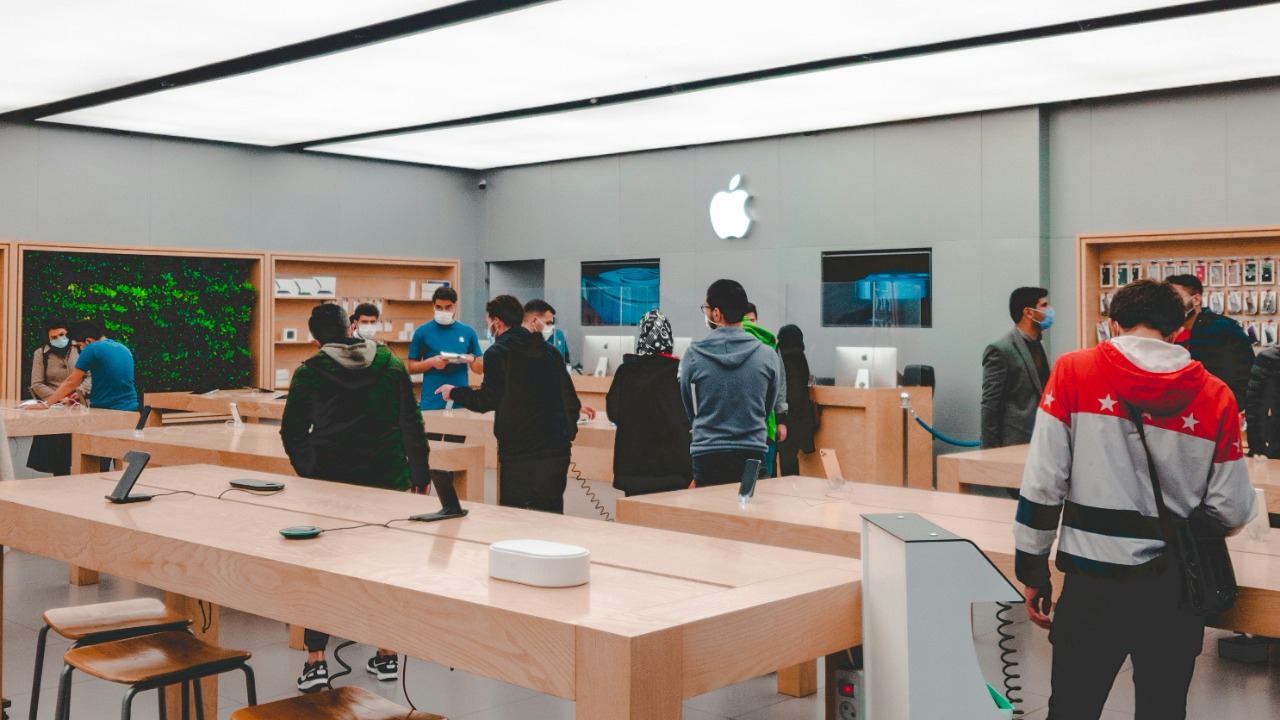
The potential economic impact of Apple’s $100 billion investment is substantial, with expectations of creating numerous jobs across various sectors. Historically, Apple’s investments have led to significant job opportunities, both directly within the company and indirectly through its supply chain and service sectors. This pledge is likely to follow suit, potentially creating tens of thousands of jobs in manufacturing, technology, and retail.
Particular regions stand to benefit more than others, especially areas already housing Apple’s facilities, such as Texas and North Carolina. These states may see an influx of employment opportunities and economic growth as Apple expands its operations. Beyond direct job creation, the ripple effects on the supply chain could be profound. Suppliers and contractors might experience increased demand for components and services, further boosting local economies. The broader economic impact could reach various sectors, including logistics, construction, and retail, as new facilities and infrastructure projects commence.
Strategic Moves in Response to Global Trade Dynamics

Apple’s investment is also a strategic maneuver to address the complexities of global trade dynamics. By investing heavily in the United States, Apple aims to mitigate risks associated with trade tensions and tariffs. Recent years have seen increasing trade disputes between major economies, which have directly affected tech companies relying on global supply chains. Apple’s decision to bolster its US presence can be seen as a buffer against such uncertainties, providing more stability in its operations.
Diversifying its manufacturing and production base is another strategic element of this investment. Apple has been gradually reducing its dependency on Asian manufacturing hubs and increasing its production capabilities closer to its major markets. The pledge to invest in the US aligns with this strategy, potentially leading to a more resilient supply chain. Additionally, strengthening ties with the US government becomes crucial amid international trade challenges. By investing domestically, Apple fosters goodwill and potentially gains leverage in policy discussions, ensuring a more favorable business environment.
Technological Advancements and Infrastructure Development
Apple’s investment is not solely about economic and strategic positioning; it also encompasses significant technological advancements and infrastructure development. A portion of the $100 billion is earmarked for research and development, aiming to foster innovation across its product line. This includes advancements in artificial intelligence, augmented reality, and other cutting-edge technologies that will shape the future of consumer electronics.
Infrastructure development is another key focus area, with plans to build new data centers and enhance renewable energy initiatives. These projects are crucial for supporting Apple’s growing digital services and maintaining its commitment to environmental sustainability. By investing in renewable energy, Apple not only reduces its carbon footprint but also sets a benchmark for the tech industry. The development of these infrastructures is expected to enhance Apple’s technological capabilities, offering a competitive edge over rivals in the rapidly evolving tech landscape.
Market Perception and Investor Reactions

The stock market’s response to Apple’s announcement reflects a mixture of optimism and caution. In the short term, Apple’s share prices saw an uptick, buoyed by the positive sentiment surrounding the pledge. Investors view this commitment as a sign of Apple’s confidence in its growth prospects and its ability to navigate current challenges. However, some skepticism remains, especially regarding the execution of such a massive investment and its long-term sustainability.
Investor sentiment is shaped by the belief that Apple’s strategy will drive sustainable growth, although concerns about ongoing challenges, such as AI development issues, linger. Wall Street’s focus on these challenges has been temporarily overshadowed by the investment announcement, but long-term expectations hinge on how effectively Apple addresses these hurdles. The pledge may also signal a strategic shift, with investors keenly observing how it influences Apple’s approach to innovation and market competition.
Limitations and Critiques
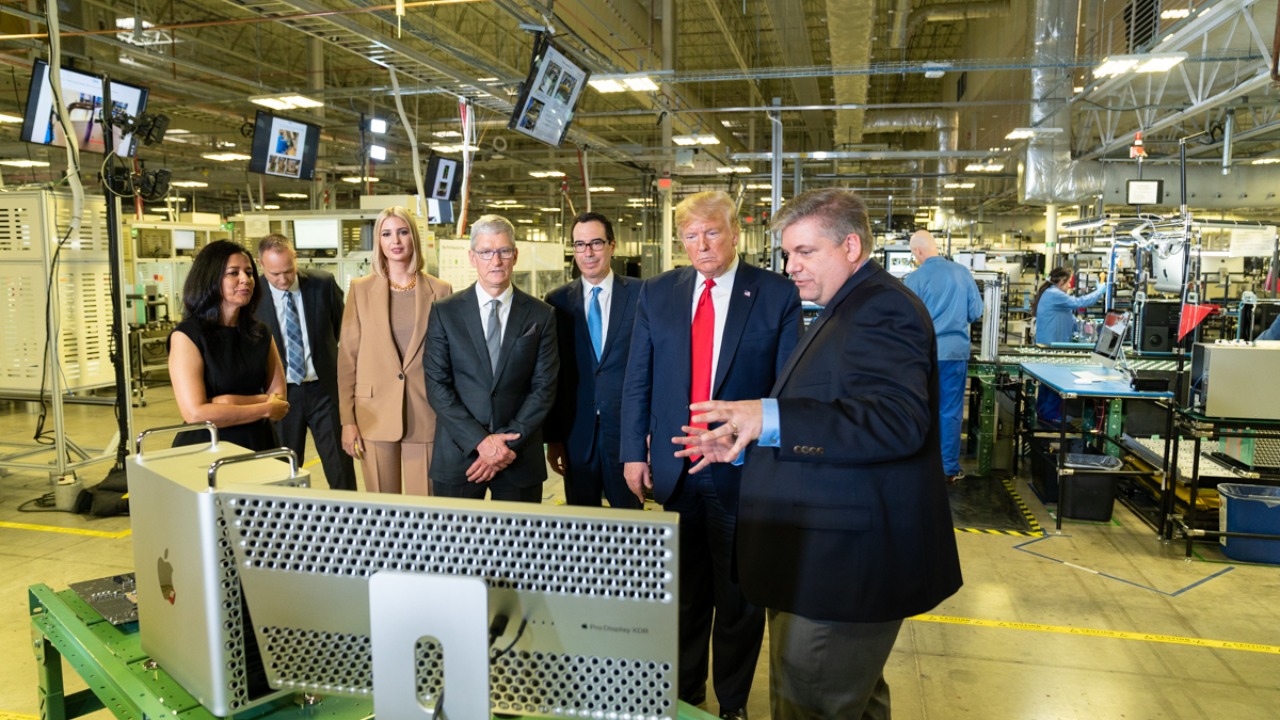
Despite the ambitious nature of Apple’s pledge, it is not without limitations and critiques. One significant area that remains largely unaddressed is workforce diversity and wage disparities within the tech industry. Critics argue that while job creation is a positive outcome, the quality of these jobs and the diversity within the workforce remain crucial concerns. Apple’s investment does not explicitly tackle these issues, which continue to be points of contention in the broader industry.
Furthermore, industry analysts and economic experts have expressed skepticism about the overall impact of such mega-investments. Concerns have been raised regarding the potential for over-reliance on automation and technology, which could limit the actual number of jobs created. Additionally, there is a critical examination of the pledge’s effectiveness in addressing global corporate responsibility initiatives, such as ethical sourcing and environmental sustainability. These areas are crucial for a company of Apple’s stature, yet the pledge does not comprehensively address them.
Ultimately, while Apple’s $100 billion investment is a bold and promising move, it is essential to consider what it does not encompass. The pledge represents a significant step toward bolstering the US economy and enhancing Apple’s competitive position, but it also leaves room for further dialogue and action on pressing industry issues. As the implementation of this investment unfolds, the tech giant will need to navigate these complexities to ensure a balanced and holistic approach to its growth strategy.

Grant Mercer covers market dynamics, business trends, and the economic forces driving growth across industries. His analysis connects macro movements with real-world implications for investors, entrepreneurs, and professionals. Through his work at The Daily Overview, Grant helps readers understand how markets function and where opportunities may emerge.