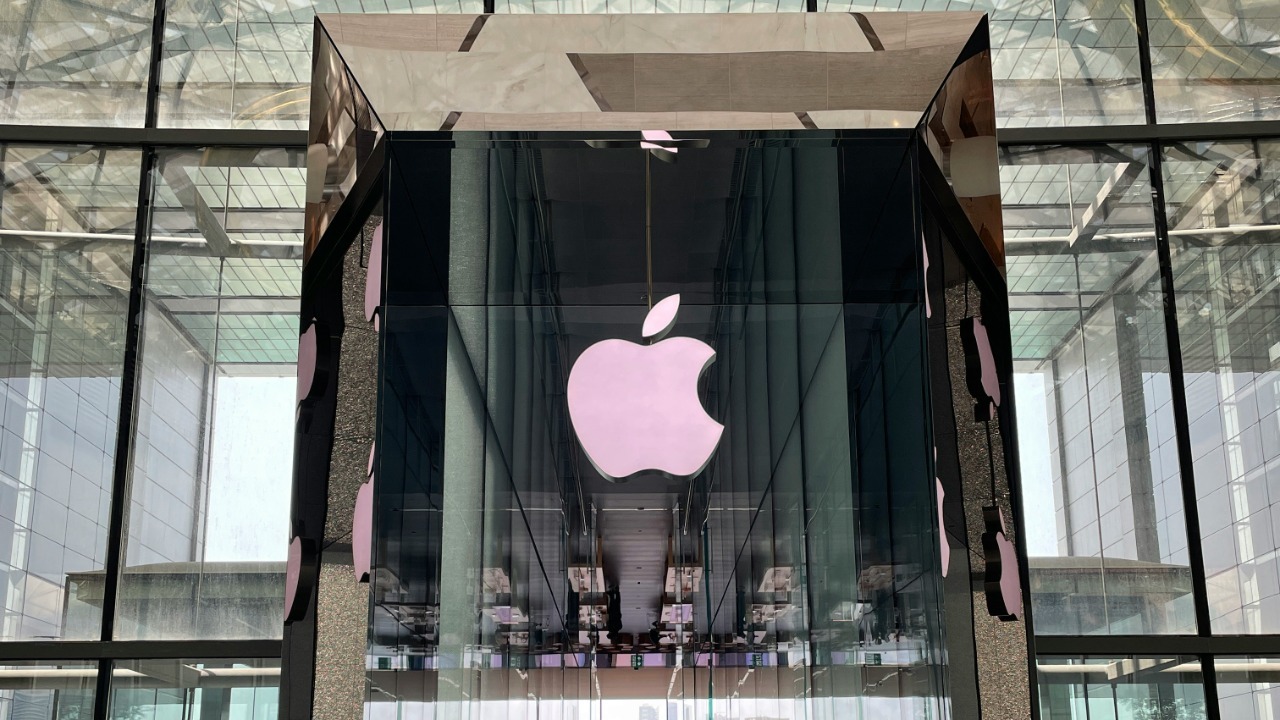
Apple is quietly shrinking its workforce, joining a broader wave of tech job cuts that has reshaped Silicon Valley’s labor market over the past two years. The company is trimming roles in targeted parts of the business rather than through a single sweeping layoff, signaling a shift from its earlier strategy of riding out the downturn without major headcount reductions.
As rivals slash tens of thousands of jobs, Apple’s more surgical approach still marks a meaningful break from its reputation as the outlier that avoided mass layoffs. The cuts hint at a company recalibrating for slower hardware growth, heavier investment in artificial intelligence, and a more disciplined cost structure after a decade of near-continuous expansion.
Apple’s late entry into the layoff cycle
For much of the recent tech downturn, Apple stood apart as the one Big Tech giant that had not announced a large, branded layoff round, even as peers like Alphabet, Amazon, Meta, and Microsoft cut tens of thousands of roles. That stance was supported by a more modest hiring ramp during the pandemic and a reputation for tight operational control, which initially allowed Apple to avoid the kind of overcapacity that forced rivals into drastic reductions. The new job cuts show that insulation has limits, and that even Apple is now adjusting its workforce to match a cooler demand environment and shifting product priorities.
Reports describe Apple’s reductions as concentrated in specific teams and locations rather than a companywide percentage cut, a pattern that contrasts with the broad-based layoffs at other large platforms over the past two years. Instead of announcing a single headline figure, Apple has been winding down certain projects, consolidating roles, and eliminating positions tied to initiatives that no longer fit its roadmap, a strategy that still results in fewer employees overall but with a narrower footprint than the sweeping layoffs seen across the wider tech sector. Recent layoff tallies across the industry underscore how unusual Apple’s slower, more targeted approach has been, even as it now moves in the same general direction.
Where Apple is cutting and why it matters
The roles Apple is trimming appear to cluster around legacy or lower-priority operations, a sign that the company is using this moment to clean up its org chart rather than simply slash costs across the board. In practice, that has meant reductions in some support and operations functions, along with staff tied to projects that have been scaled back or discontinued, which aligns with a broader pattern of tech firms exiting side bets to refocus on core revenue drivers. By narrowing the scope of cuts to these areas, Apple is signaling that it wants to protect its flagship product lines and emerging bets while still showing investors it can keep expenses in check.
This kind of targeted pruning also reflects how Apple is repositioning itself for the next phase of competition, particularly around artificial intelligence and services. As other companies redirect headcount from slower-growth units into AI, cloud, and subscription products, Apple is under similar pressure to free up resources for its own software and silicon roadmaps. Industry trackers that map layoffs by function show a clear tilt toward reductions in recruiting, operations, and some hardware-adjacent roles, while engineering and AI-focused positions remain comparatively resilient, a pattern that fits with Apple’s quiet reallocation of talent and budget toward higher-margin, software-heavy businesses. Sector-wide data on which teams are shrinking most helps explain why Apple’s cuts are landing where they are, even if the company has not spelled out the details publicly.
How Apple’s cuts compare with Big Tech peers
Relative to its peers, Apple’s headcount reductions are modest in scale but significant in symbolism. Alphabet, Amazon, Meta, and Microsoft have each disclosed layoffs that run into the tens of thousands, often framed as a reset after aggressive hiring during the pandemic boom in e-commerce, online ads, and cloud computing. Apple, by contrast, expanded its workforce more slowly during that period, which meant it had less excess capacity to unwind, yet it is now converging on the same basic conclusion that the industry overbuilt for a level of growth that did not last.
The timing also sets Apple apart. Many of the largest tech layoffs hit in waves starting in late 2022 and continued through 2023, with some companies announcing multiple rounds as they chased efficiency targets and margin improvements. Apple’s more recent and quieter reductions suggest a second phase of the correction, one focused less on emergency cost-cutting and more on fine-tuning the mix of roles to support long-term strategy. Publicly available layoff trackers show that while the headline numbers have slowed from their peak, the trend has not fully reversed, and Apple’s participation underscores that the recalibration is still underway even at the most profitable firms.
Signals for Apple’s strategy and product roadmap
When a company as disciplined as Apple trims staff, it often reveals more about strategic direction than about short-term panic. The focus on specific teams, rather than a blanket percentage cut, points to a deliberate reshaping of the workforce around areas Apple sees as central to its future, including custom silicon, AI-driven features, and subscription services that deepen engagement with devices already in the market. By easing back on roles tied to older initiatives or lower-margin operations, Apple is effectively betting that the next leg of growth will come less from sheer unit sales and more from the software and services layered on top of its hardware base.
That shift mirrors a broader industry move toward recurring revenue and AI-enhanced experiences, from cloud-based productivity tools to recommendation engines inside consumer apps. Apple’s own emphasis on privacy-preserving on-device intelligence, combined with its push into services like iCloud storage, Apple Music, and Apple TV+, requires a different mix of skills than the company leaned on during the iPhone’s early growth years. The current headcount adjustments, viewed alongside recent product and services updates, suggest a company reallocating its human capital to match that evolution, even if it means parting ways with employees whose roles no longer align with the updated roadmap.
What the layoffs mean for tech workers and investors
For workers, Apple’s move is another reminder that even the most stable-seeming tech employers are not immune to structural shifts in the industry. Engineers, designers, and operations staff who once saw Apple as a safe harbor from the volatility hitting other platforms now have to factor in the possibility of targeted cuts, especially in teams that sit farther from the company’s strategic core. At the same time, the relatively narrow scope of Apple’s reductions, compared with the sweeping layoffs elsewhere, reinforces that skills aligned with AI, services, and core hardware engineering remain in high demand, while roles in support, recruiting, and non-core projects face more pressure.
Investors are likely to read the headcount trims as part of a broader efficiency narrative that has been rewarded across Big Tech, where cost discipline has helped lift margins even as revenue growth slows from its pandemic highs. Markets have generally responded favorably when large platforms show they are willing to cut spending and streamline operations, particularly when those moves are paired with clear investments in future growth areas like AI and cloud infrastructure. Apple’s more incremental approach fits that pattern, signaling to shareholders that it is not standing still while competitors reset, yet also avoiding the disruption and morale damage that can come with massive, highly publicized layoffs. As ongoing coverage of tech job cuts makes clear, the market now expects even the strongest companies to prove they can do more with less, and Apple’s latest headcount decisions show it is willing to play by those rules.
More From TheDailyOverview
- Dave Ramsey warns to stop 401(k) contributions
- 11 night jobs you can do from home (not exciting but steady)
- Small U.S. cities ready to boom next
- 19 things boomers should never sell no matter what

Grant Mercer covers market dynamics, business trends, and the economic forces driving growth across industries. His analysis connects macro movements with real-world implications for investors, entrepreneurs, and professionals. Through his work at The Daily Overview, Grant helps readers understand how markets function and where opportunities may emerge.