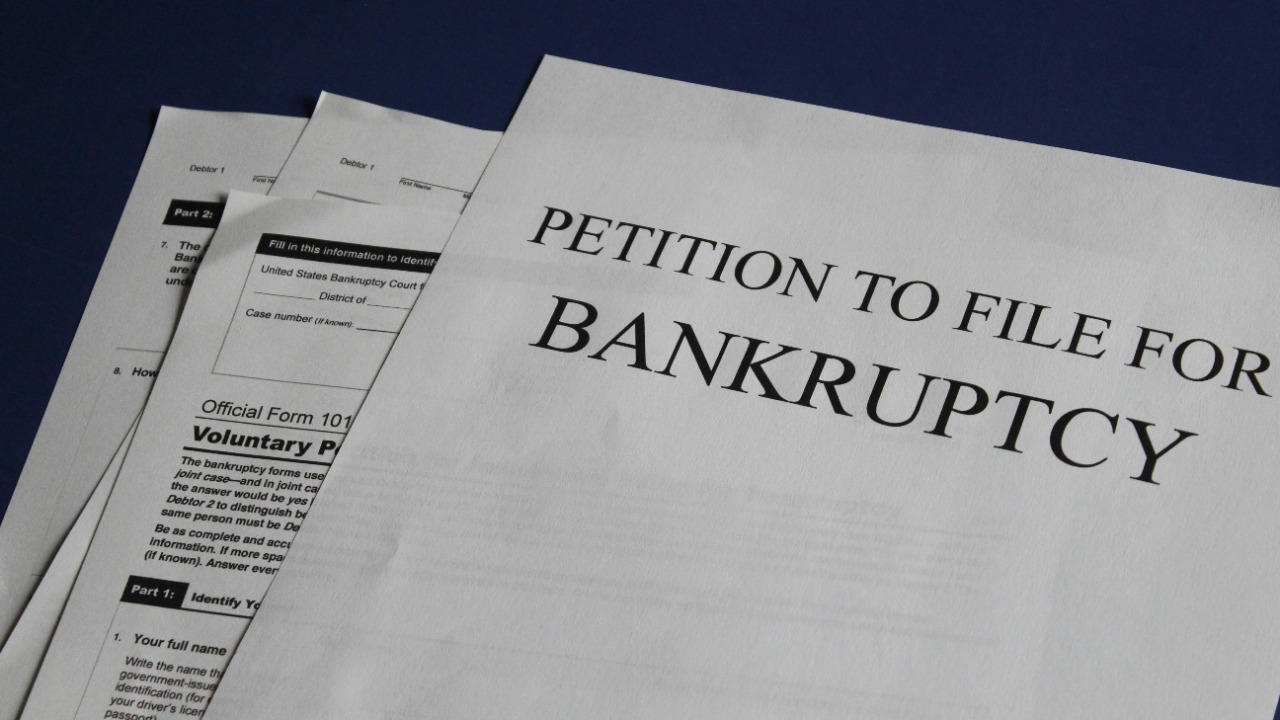
A Bay Area fundraising startup that once promised to modernize charitable giving has instead landed in bankruptcy court, leaving nonprofits across the country short a combined $29 million in donor cash. The collapse has frozen money that organizations expected to use for education, health care, legal defense and other core services, turning a back-office tech failure into a front-line crisis for vulnerable communities. As the case unfolds, it is exposing how fragile the digital plumbing of philanthropy can be when a single private platform controls the flow of charitable dollars.
At the center of the storm is Flipcause, Inc, an Oakland company that built its brand on helping small and midsize charities raise money online without needing their own engineering teams. Instead of simplifying life for those groups, the company’s implosion has left them scrambling to pay staff, keep programs running and explain to donors why gifts that appeared to go through never reached their intended causes.
How an Oakland fundraising platform unraveled
Flipcause, Inc grew up in the heart of the Bay Area tech scene, pitching itself as a one-stop fundraising and donor management platform for nonprofits that could not afford custom software. Based in Oakland, it processed online donations on behalf of thousands of organizations, aggregating payments and then passing the funds along after taking its cut. Over time, the company touted more than $1 billion in aggregate donations handled through its system, a scale that made it a quiet but critical intermediary between donors and the groups they wanted to support, according to detailed accounts of the Oakland-based platform.
That model depended on trust and liquidity, and both appear to have evaporated quickly. Reporting on the bankruptcy describes a company that entered court protection with roughly $70,000 in operating cash, a vanishingly small cushion for a business that was supposed to be safeguarding tens of millions of dollars in donations in transit. Once the shortfall surfaced, nonprofits that had relied on Flipcause, Inc as their primary payment pipeline suddenly found themselves cut off from money they had already raised, with no clear timeline for when, or whether, those funds would be released.
The $29 million shock to nonprofits
The most jarring figure in the bankruptcy filings is the $29 million that nonprofits are collectively owed. These are not abstract accounting entries. They represent donations that supporters believed were already at work funding tutoring programs, community clinics, food distribution, legal aid and other services that depend on steady cash flow. Instead, the money is locked up in a legal process, and the organizations that earned it are being told to line up with other creditors and hope the estate can eventually make them whole.
For many of these nonprofits, the missing funds are the equivalent of several months of operating budgets. Leaders who had planned to expand programs or hire staff are now weighing furloughs and service cuts. Some groups have had to explain to clients that promised expansions in health care or legal defense work will be delayed because the donations never arrived, even though donors received receipts and confirmation emails. The sense of betrayal is compounded by the fact that the organizations did nothing wrong in their own fundraising; they simply trusted a vendor that marketed itself as a safe conduit for charitable giving and now find themselves, as one account put it, left in the lurch and unable to access the donor cash that underpins their work in education, health care, legal defense and more, a situation detailed in coverage of how nonprofits across the country were affected.
Legal fallout and questions of accountability
The financial damage has quickly spilled into the courts. In October, a class-action lawsuit accused Flipcause of fraud, alleging that the company misrepresented how it handled donor funds and failed to remit money that should have gone directly to nonprofits. That litigation now runs alongside the bankruptcy case, which will determine how whatever assets remain are divided among creditors. For charities that have already been forced to cut back programs, the prospect of a long legal slog, with no guarantee of full recovery, adds another layer of uncertainty to an already precarious situation.
From my perspective, the legal fight is about more than one company’s missteps. It raises fundamental questions about how much oversight exists for intermediaries that sit between donors and charities but are not themselves charitable organizations. When a platform markets itself as a trusted partner to nonprofits, handles donor data and controls the timing of payouts, it effectively acts as a financial institution without always facing the same level of scrutiny. The allegations in the class action, combined with the stark numbers in the bankruptcy filings, are likely to fuel calls for clearer rules on how such platforms must segregate client funds, disclose risks and respond when warning signs emerge.
What the collapse reveals about fintech risk in philanthropy
As I look at the Flipcause, Inc implosion, it reads as a case study in the hidden risks that come with outsourcing critical financial infrastructure to a single tech vendor. Nonprofits embraced the platform because it promised modern tools, lower fees and less administrative hassle than building their own systems or relying on older payment processors. That convenience came with a trade-off: if the intermediary failed, there was no easy backup plan. The bankruptcy has made that trade-off painfully clear, showing how quickly a technical or liquidity problem at one company can cascade into a funding crisis for organizations that have no margin for error.
The episode also underscores how philanthropic fintech has outpaced the guardrails that typically surround financial services. Donors often assume that money given through a branded fundraising page is immediately in the hands of the charity, when in reality it may sit in a platform-controlled account for days or weeks. Nonprofits, for their part, may not have the leverage or expertise to demand detailed disclosures about how those funds are held, insured or reconciled. When a platform like Flipcause, Inc runs into trouble, the lack of transparency leaves both donors and charities guessing about where the money went and what protections, if any, apply.
How nonprofits and donors can protect themselves
In the wake of the bankruptcy, I expect many nonprofit leaders to rethink how they manage online giving. One immediate step is diversification. Relying on a single platform for all digital donations concentrates risk in a way that is now impossible to ignore. Using multiple processors, maintaining direct relationships with banks and regularly sweeping balances into accounts the nonprofit controls can reduce exposure if a vendor fails. Boards and finance committees will also need to ask sharper questions about how third-party platforms hold client funds, whether those funds are kept in segregated accounts and what happens if a payment partner freezes transfers.
Donors have a role to play as well. Individuals and institutions that give significant sums can ask charities how their online donations are processed and whether the organization has contingency plans if a vendor collapses. When possible, giving directly through a nonprofit’s own merchant account or via checks and bank transfers that bypass intermediaries can limit the number of hands that touch the money. None of these steps will eliminate risk entirely, but they can shift more control back to the organizations and supporters who are ultimately responsible for sustaining the work that platforms like Flipcause, Inc were supposed to enable, not endanger.
More From TheDailyOverview

Grant Mercer covers market dynamics, business trends, and the economic forces driving growth across industries. His analysis connects macro movements with real-world implications for investors, entrepreneurs, and professionals. Through his work at The Daily Overview, Grant helps readers understand how markets function and where opportunities may emerge.