Washington is dangling a rare incentive in front of New Delhi: relief from a 25 per cent penalty tariff that has strained trade ties since President Trump’s sanctions on Russian oil. The signal comes just as India’s purchases of Russian crude have slumped to their lowest levels in years, forcing a rapid reweighting of its energy basket toward traditional Middle Eastern suppliers. Together, those shifts are turning India’s oil policy into a test case for how far US sanctions can reshape global trade without blowing up key strategic partnerships.
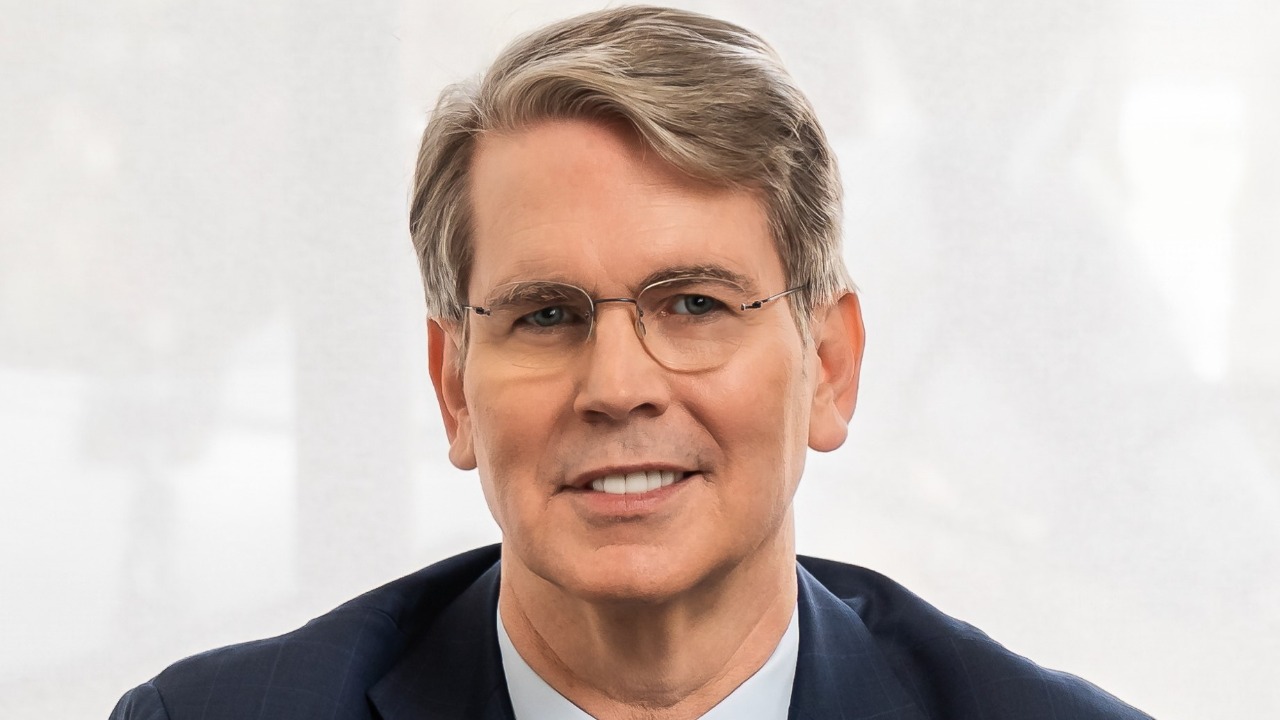
At the center of this recalibration is Treasury Secretary Scott Bessent, who has publicly praised the sharp drop in India’s Russian inflows and hinted that the punitive duties could be scaled back if the trend holds. His comments suggest a transactional bargain taking shape: less Moscow in India’s barrels in exchange for fewer US barriers on Indian exports.
The 25 per cent tariff that put India on notice
When Washington slapped an additional 25 per cent tariff on oil-linked imports from India, the move was framed as a direct response to New Delhi’s booming trade in discounted Russian crude after the invasion of Ukraine. Treasury Secretary Scott Bessent has since described those duties as leverage, a way to push India to curb purchases that Washington argues were undercutting its wider sanctions regime on Russian exports. The surcharge sits on top of base US tariffs, so Indian goods tied to refined Russian oil face a significantly higher barrier at American ports.
According to Bessent’s aides, the penalties were designed to be reversible, not permanent, and the secretary has now said that the additional 25 per cent tariffs imposed on India could be removed once the Russian oil link is sufficiently reduced. In one account, he is quoted as Trump’s aide explaining that there is “a way” to unwind the measure, even as he stresses that the tariffs remain in place for now, a stance reflected in detailed coverage of Trump’s aide and his conditions.
Russian oil inflows collapse as refiners pivot
The potential opening on tariffs is not happening in a vacuum. India’s Russian oil imports in December dropped to their lowest in two years, a shift that Bessent has repeatedly highlighted as proof that the sanctions architecture is biting. One detailed breakdown notes that India’s Russian oil imports have fallen sharply, lifting the share of OPEC suppliers in its crude mix and reversing the post‑2022 surge in Moscow’s market share, a trend captured in recent import data.
Refiners have been central to this adjustment. As US sanctions tightened and freight and insurance risks around Russian cargoes grew, Indian refiners began to pull back, redirecting purchases toward the Middle East and other suppliers. One account notes that, in India, December imports of Urals crude fell to 929,000 barrels per, the lowest level in many months, and that some refineries did not receive Russian supplies at all.
Bessent’s “path” to lifting tariffs
Against that backdrop, Bessent has started to sketch what he calls a “path” to taking the tariffs off. In public remarks, including at the World Economic Forum, he has said that the 25 per cent tariffs for Russian oil are still on but that he would imagine there is a path to take them off if India’s Russian inflows continue to collapse. That framing is echoed in detailed reports on his comments about Russian oil and the conditions he is watching.
In a separate interview, Treasury Secretary Scott Bessent said the US may consider lifting the additional 25 per cent tariff on India linked to Russian oil, describing the fall in purchases as a “success” of the sanctions strategy. Video of his comments on Treasury Secretary Scott and his India stance shows him tying any relief directly to sustained reductions in Russian volumes, a linkage that has been reinforced in written accounts of how India has responded to the pressure.
India’s crude basket tilts back to the Middle East
The sanctions shock and tariff threat have accelerated a broader rebalancing in India’s energy strategy. After two years of gorging on discounted Russian barrels, India’s crude basket is now tilting toward “More Middle East, less Russia,” with refiners locking in additional term contracts with Gulf producers and trimming spot deals with Moscow. One detailed analysis of India’s crude basket describes how, after Trump’s sanctions, Russia’s share has slipped while flows from its traditional Middle Eastern suppliers have risen, a shift that has direct implications for India’s refining margins and Moscow’s export options.
On the ground, the pullback from Moscow is visible in shipment data. Tracking firm Kpler shows that just three Indian refiners bought Russian crude in January, with overall imports from Russia down sharply compared with the 2023 peak. That trend is documented in granular reporting on how Kpler data captures India’s refiners weaning themselves away from Moscow, even as they keep Russian barrels in the mix to preserve some price advantage.
Geopolitics, the EU angle, and what tariff relief would really mean
Bessent’s signaling is not only about India. He has also used the tariff debate to criticize Europe, accusing EU governments of wanting to sign a big trade deal with India while refusing to impose similar tariffs on Indian oil products that may contain Russian crude. In one pointed exchange, he accused them of financing Russia’s war through oil purchases from India and contrasted that with US pressure via tariffs, a critique captured in coverage of his comments on Russia and the EU’s India strategy.
Within Washington, Bessent has also been described as frowning on an EU‑India FTA while signaling easing of Russian oil tariffs on New Delhi, a dual track that underscores how trade and security are being fused. Detailed accounts from a Bessent briefing note that he has signaled a prospective removal of the 25 per cent penalty tariff on New Delhi while questioning why Brussels has not matched US pressure. A separate Washington‑datelined account from a TOI correspondent in Washington underscores that Treasury Secretary Scott Bessent is tying any easing to Russian flows falling from their 2022 highs, but not necessarily to zero.
More From The Daily Overview
*This article was researched with the help of AI, with human editors creating the final content.

Grant Mercer covers market dynamics, business trends, and the economic forces driving growth across industries. His analysis connects macro movements with real-world implications for investors, entrepreneurs, and professionals. Through his work at The Daily Overview, Grant helps readers understand how markets function and where opportunities may emerge.

