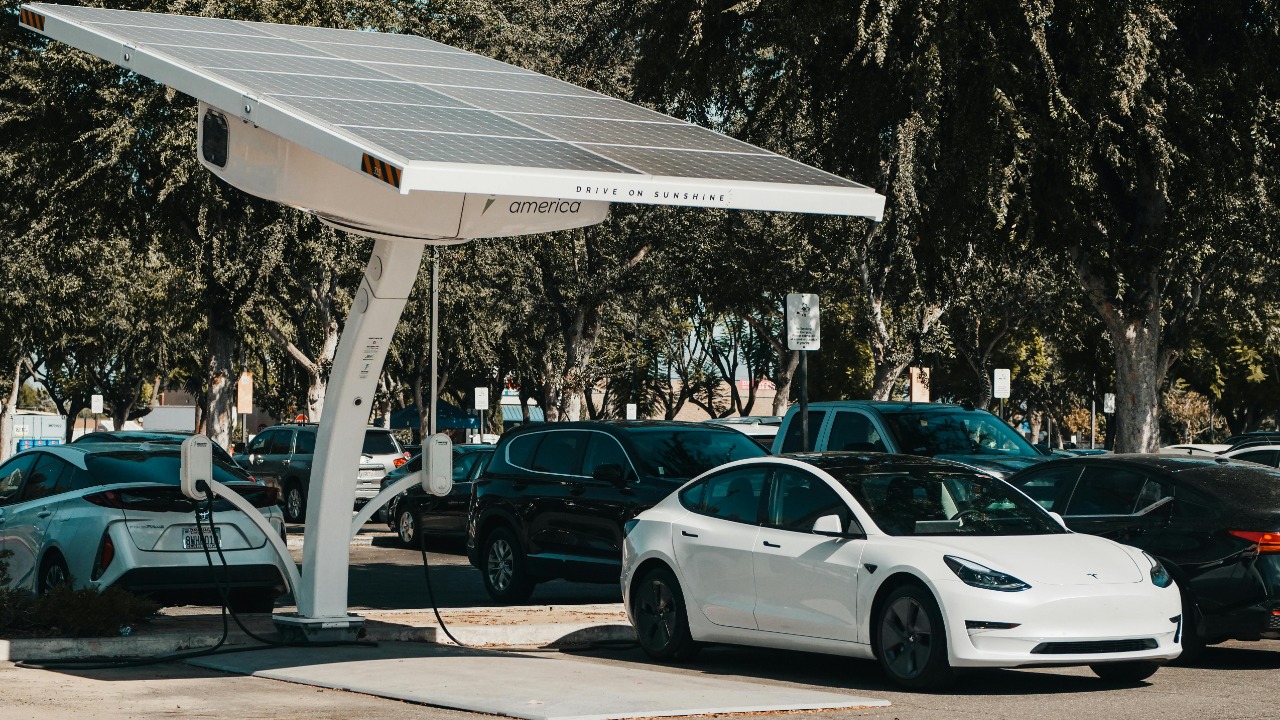
Purchasing an electric vehicle (EV) seemed like a smart financial and environmental choice. However, the transition came with unexpected costs. Here are five expenses I encountered after buying my EV that caught me off guard.
Home Charging Station Installation
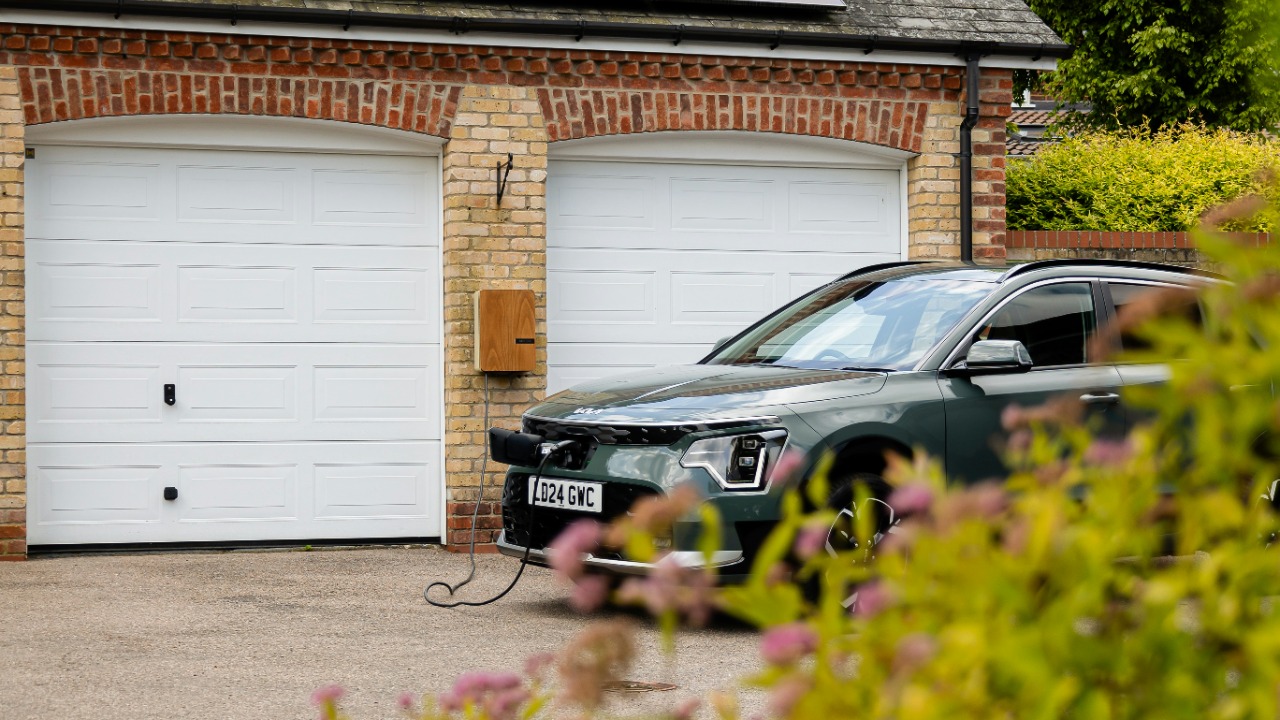
One of the first unexpected expenses I faced was the installation of a home charging station. Sure, I could rely on public charging stations, but the convenience of having a charger at home was hard to resist. Installing a Level 2 charger required hiring an electrician, as my home’s electrical system needed an upgrade to handle the load. This process can cost upwards of $1,000, depending on the complexity of the installation and local labor costs.
For example, the Nissan Leaf and Chevrolet Bolt owners often find themselves in similar situations, as these vehicles benefit significantly from faster home charging. The investment, while steep initially, does pay off in daily convenience and long-term savings.
Increased Electricity Bills
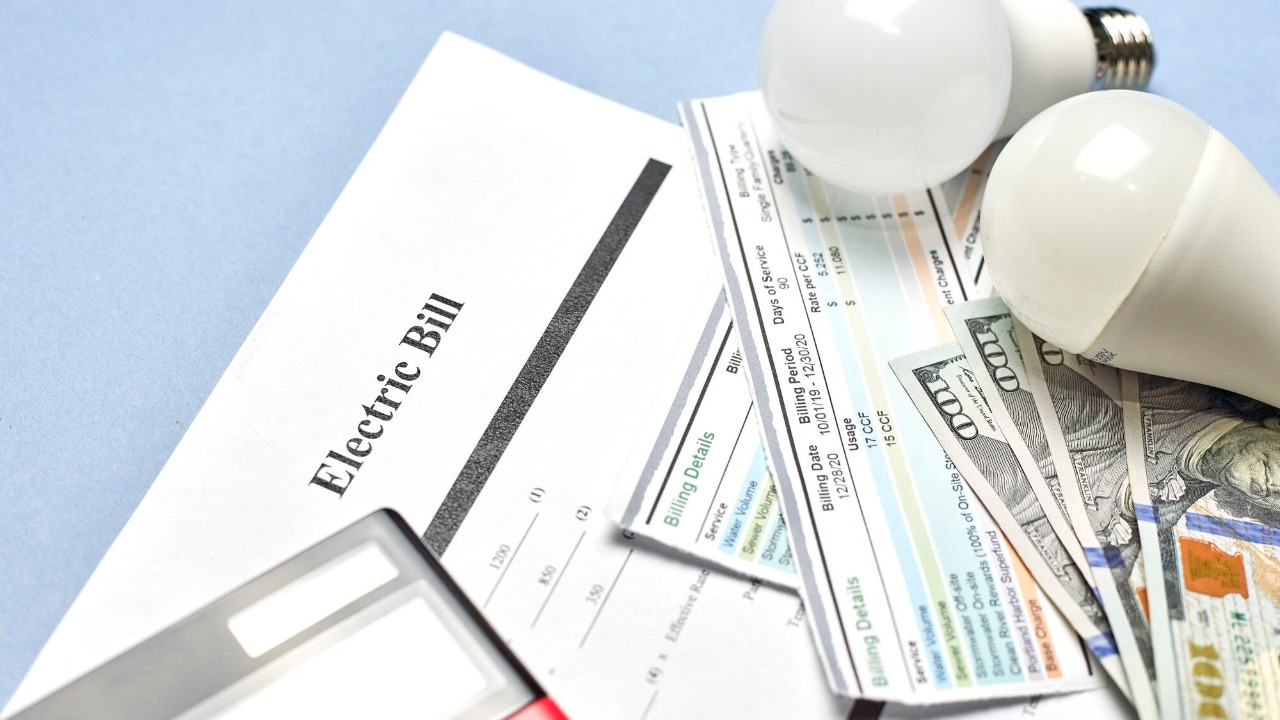
While I anticipated some increase in my electricity bill, the actual spike took me by surprise. Charging an EV at home significantly adds to your monthly utility costs, especially if you frequently drive long distances. I quickly learned that the amount of electricity used to charge my EV was equivalent to running several major appliances simultaneously.
To manage this, I began charging during off-peak hours when electricity rates were lower. This strategy helped mitigate costs and was something I discovered through research, including a study on household energy consumption for EV owners. These incremental costs are crucial for prospective EV buyers to factor into their budget.
Battery Maintenance and Replacement
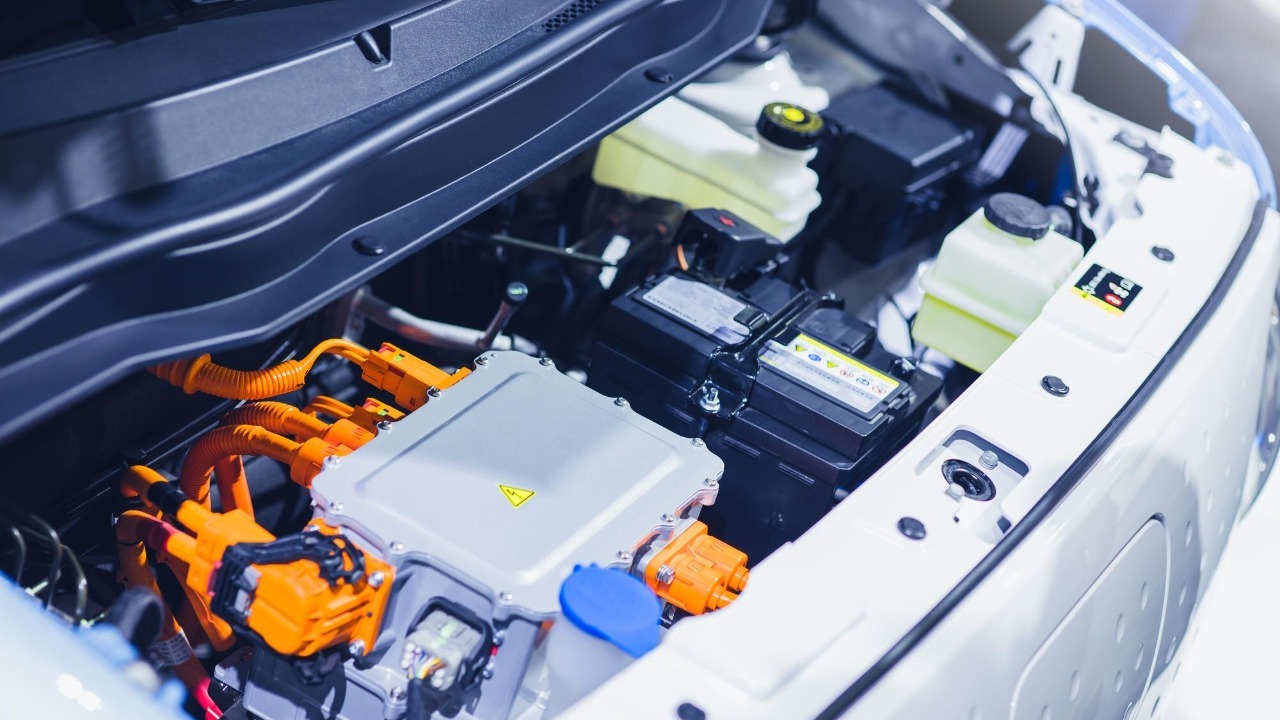
The heart of any electric vehicle is its battery, and maintaining it is crucial. Although EVs generally require less maintenance than traditional vehicles, the battery is one exception. Regular maintenance checks are essential to ensure the battery’s longevity and efficiency, which can lead to additional expenses over time.
I also had to consider the potential cost of battery replacement down the line. Although today’s EV batteries are built to last, their performance can degrade over time. According to a research article, battery replacement costs can be substantial, often ranging into the thousands of dollars, depending on the make and model of the vehicle.
Specialized Tire Costs

Another overlooked expense was the cost of specialized tires. EVs tend to be heavier than their gasoline counterparts due to the battery weight. This means they require tires that can support extra weight and provide low rolling resistance to maximize efficiency.
When it came time to replace my tires, I realized that these specialized tires were more expensive than standard ones. Brands like the Tesla Model 3 and Ford Mustang Mach-E are known for requiring specific types of tires that can handle the unique demands of EVs, adding another layer to the overall cost of ownership.
Insurance Premium Adjustments

Initially, I assumed that insurance for an EV would be the same as any other vehicle. However, I discovered that insurance premiums are often higher for EVs. This is due to the higher costs associated with repairing or replacing parts, especially the battery, which can be quite expensive in the event of an accident.
Upon analysis, such as in this study on insurance costs, I learned that being proactive by shopping around and comparing different insurers helped me find a policy that offered the best coverage at a reasonable rate. Still, it’s an adjustment that potential EV buyers should prepare for.

Cole Whitaker focuses on the fundamentals of money management, helping readers make smarter decisions around income, spending, saving, and long-term financial stability. His writing emphasizes clarity, discipline, and practical systems that work in real life. At The Daily Overview, Cole breaks down personal finance topics into straightforward guidance readers can apply immediately.

