
The concept of redistributing the wealth of billionaires like Donald Trump across the populace often sparks curiosity and debate. By examining how much each American would receive if Trump’s wealth were evenly distributed, we can gain insight into wealth disparity and its implications on economic equity in the United States.
Understanding Trump’s Wealth

Donald Trump’s estimated net worth has been a subject of much speculation and scrutiny, with figures often varying depending on the source. As of recent estimates, his wealth is valued at approximately $2.5 billion. This wealth is primarily derived from his real estate ventures, branding, and various business endeavors. The Trump Organization, a conglomerate of numerous businesses, forms the backbone of his financial empire. These assets include hotels, golf courses, and commercial real estate properties, both domestically and internationally.
Over the years, Trump’s wealth has experienced significant fluctuations. These changes have been influenced by various factors, including the real estate market’s volatility, legal challenges, and his political career’s impact on his brand. Compared to other billionaires, Trump’s wealth is relatively modest. For instance, Elon Musk and Jeff Bezos have net worths exceeding $200 billion, positioning them far ahead of Trump in the billionaire rankings. This disparity often fuels public perception and debate, highlighting the vast differences in wealth even among the ultra-rich.
Calculating the Distribution

To calculate how much each American would receive from an even distribution of Trump’s wealth, one must first consider the current U.S. population, which is approximately 331 million people. Dividing Trump’s $2.5 billion net worth by this population results in a meager sum of about $7.50 per person. This exercise reveals the stark reality of wealth distribution, where even the wealth of a billionaire like Trump results in a negligible amount per capita.
Similar calculations have been performed for other billionaires, offering intriguing insights into wealth distribution. For example, a similar analysis was conducted on Elon Musk’s wealth, showcasing a higher per capita amount due to his significantly larger net worth. Such comparisons highlight the enormous wealth gaps even among billionaires and underscore the challenges in addressing economic inequality.
Economic Implications

If Trump’s wealth were distributed evenly, the immediate financial impact on individuals would be minimal, given the small amount each person would receive. However, the broader economic implications are worth considering. A sudden influx of cash, albeit small, might lead to marginal increases in consumer spending, particularly among lower-income individuals who are more likely to spend any additional income. This could potentially stimulate economic activity in certain sectors, albeit temporarily.
Beyond the individual level, the concept of wealth redistribution raises significant ethical and practical challenges. Implementing such a redistribution on a national scale would require extensive policy changes and could face substantial opposition. Critics argue that forced redistribution undermines the principles of free market capitalism, while proponents contend that it could reduce poverty and promote economic equality. The debate over wealth redistribution continues to evoke strong opinions across the political spectrum, reflecting deep-seated ideological divides.
Wealth Disparity in America

The United States is characterized by significant wealth inequality, with the top 1% owning a substantial portion of the nation’s wealth. This disparity has only widened over recent decades, driven by factors such as technological advancements, globalization, and tax policies favoring the wealthy. Historically, wealth distribution in America has seen ebbs and flows, with periods of relative equality followed by increasing concentration of wealth among the elite.
Addressing wealth disparity requires comprehensive policy solutions. Potential measures include progressive taxation, increased access to education and healthcare, and initiatives to promote economic mobility. While these solutions are complex and often controversial, they offer potential pathways to a more equitable society. Policymakers face the challenge of balancing economic growth with fairness, a task that requires careful consideration and bipartisan cooperation.
Public Perception and Debate
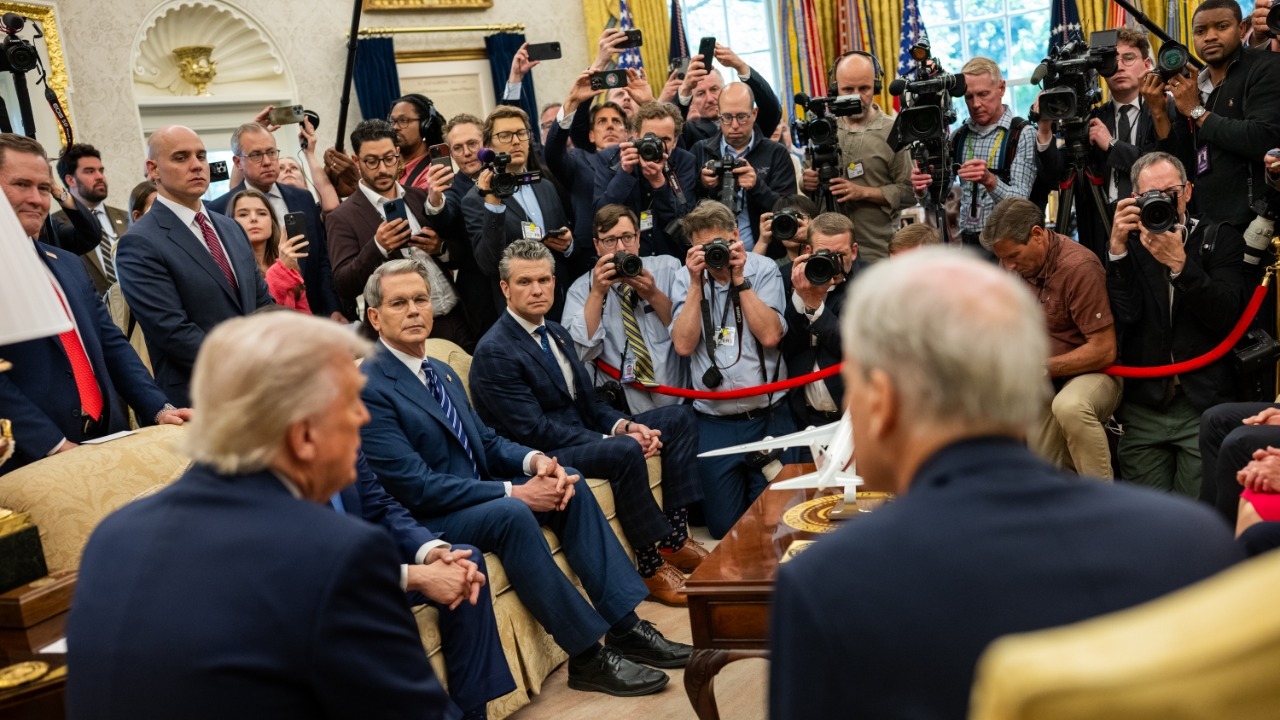
Public opinion on wealth redistribution is deeply divided, often reflecting broader ideological and political affiliations. While some view it as a necessary step toward reducing inequality and promoting social justice, others see it as an infringement on personal freedoms and an inefficient means of achieving economic growth. These debates are further fueled by media coverage, which can shape public perceptions and influence political discourse.
The role of media in shaping opinions on wealth and inequality cannot be underestimated. Coverage of billionaire lifestyles, philanthropic efforts, and the impact of wealth on politics contributes to the ongoing conversation about economic disparity. As society grapples with these complex issues, the need for informed and balanced discourse becomes increasingly important, helping to foster a deeper understanding of the challenges and opportunities in addressing economic inequality.

Grant Mercer covers market dynamics, business trends, and the economic forces driving growth across industries. His analysis connects macro movements with real-world implications for investors, entrepreneurs, and professionals. Through his work at The Daily Overview, Grant helps readers understand how markets function and where opportunities may emerge.

