California is once again in open court combat with Washington, this time over a plan to restart coastal oil pipelines that ruptured in a notorious spill a decade ago. The state has filed a sweeping lawsuit to block the Trump administration from greenlighting Sable Offshore Corp.’s restart of the Las Flores pipeline system, arguing that federal regulators unlawfully stripped California of its safety authority.
The case is about far more than one company or one stretch of pipe. It is a test of how far President Donald Trump can go in recasting long‑standing state control over intrastate energy infrastructure, and it lands just as his administration pushes a broader offshore drilling agenda along the West Coast.
California’s legal broadside against the Trump administration
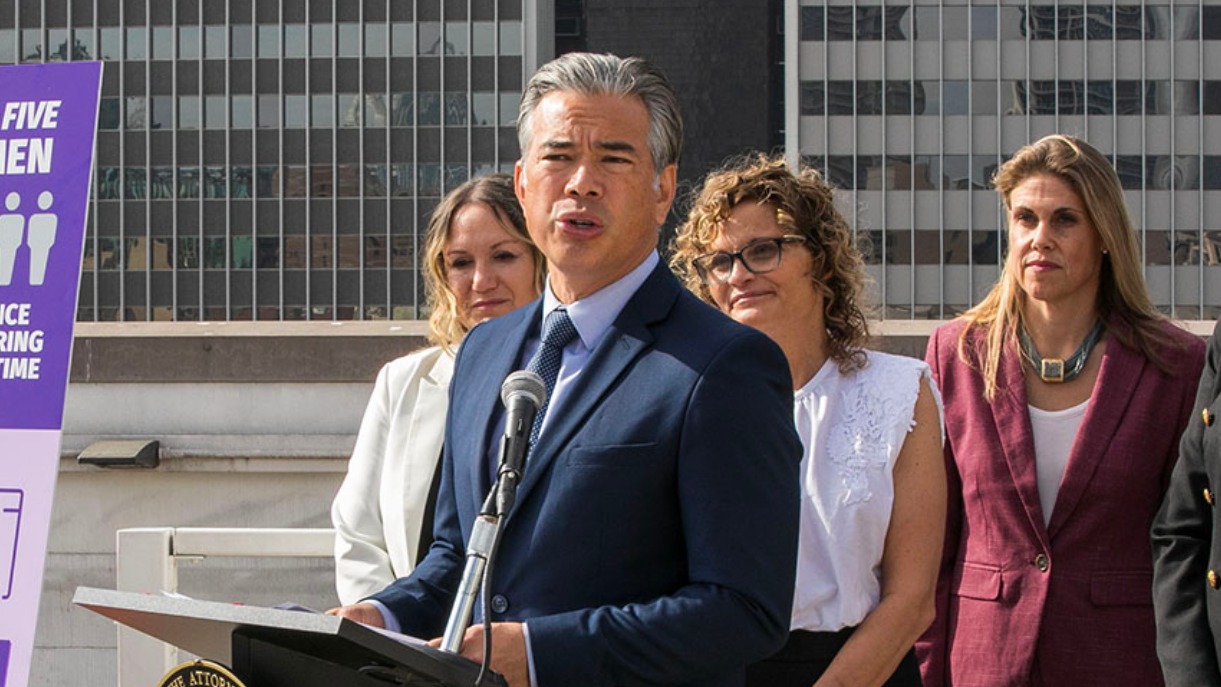
At the center of the new fight is California Attorney General Rob Bonta, who has moved to stop the restart of oil pipelines that were shut down after the Refugio spill along the Santa Barbara County coast. State officials argue that the Las Flores system, which carries crude from offshore platforms to onshore facilities, poses an unacceptable risk of another disaster if brought back online without modern safeguards, and they frame the case as a defense of California’s long history with the oil industry and its own environmental laws. In filings and public statements, Bonta has stressed that California sues to stop restart of idle oil pipelines because the state, not Washington, has borne the brunt of past failures along this shoreline, including the 2015 rupture that fouled beaches and wildlife habitat, a history detailed in coverage of California sues.
The lawsuit zeroes in on a December order by the Pipeline and Hazardous Materials Safety Administration, or PHMSA, which approved Sable Offshore Corp.’s plan to restart oil production along the coast. According to the complaint, PHMSA issued that order on December 22, 2025, leaning on President Trump’s so‑called Nat energy directive to justify recasting the Las Flores and related lines as interstate pipelines, a move that would shift oversight from state regulators to federal officials. Bonta argues that PHMSA’s decision to treat Sable’s lines from Santa Barbara County into Kern County as “interstate” is an unlawful power grab that violates both federal pipeline law and California’s sovereign authority, a claim laid out in the state’s description of PHMSA.
The 2015 spill legacy and Sable’s contested restart plan
The legal clash cannot be separated from the legacy of the Refugio spill, when a corroded pipeline dumped crude into the Pacific and onto beaches west of Santa Barbara. That incident shut down the Las Flores system and stranded offshore platforms that depended on it, leaving Sable Offshore Corp. and its predecessors with idle infrastructure and mounting pressure to either decommission or restart. California officials now argue that the same basic configuration, if reactivated without full state oversight, could again send oil from Santa Barbara to Los Angeles County and beyond, a concern that underpins the state’s description of the coastal network in recent California coverage.
Sable, a Texas‑linked offshore operator, insists it has followed every applicable rule and that its restart plan meets or exceeds federal standards. The company denies that it has broken any laws and maintains that it has complied with all necessary regulations in preparing to bring the pipelines back into service, a position that has been repeated as California’s battle with a Texas offshore oil firm escalates with new litigation. Bonta’s new lawsuit does not directly accuse Sable of fresh violations, but instead targets the federal approvals that would allow the company to resume production along the Gaviota Coast and other sensitive stretches, a nuance reflected in reporting that Bonta has escalated the fight without alleging new misconduct by the firm.
Jurisdiction, intrastate claims, and PHMSA’s pushback
Behind the environmental rhetoric lies a technical but consequential question: who regulates these pipes. California insists that the Las Flores system is intrastate, meaning it begins and ends within state boundaries and therefore falls under state safety regulation and oversight. Federal officials counter that the lines have historically functioned as part of an interstate network, moving crude that ultimately feeds refineries and markets beyond California, and that this history justifies PHMSA’s assertion of authority. That clash is spelled out in a description of how a federal agency says pipelines historically have been interstate while the state insists they are intrastate, a dispute now headed for the U.S. Court of Appeals for the 9th Circuit as noted in Federal accounts.
PHMSA and the U.S. Transportation Department have not simply ceded the narrative to Sacramento. The Transportation Department agency that approved Sable’s plan has pushed back on the lawsuit, arguing that restarting the Las Flores pipeline system is safe and that federal regulators are better positioned to oversee a network that connects offshore platforms to broader markets. In public statements, officials have said that “Restarting the Las Flores Pi” network is consistent with national energy priorities and that the federal government has clear jurisdiction, a stance captured in coverage of how But the Transportation Department agency defended its decision.
Bonta’s broader campaign against Trump’s fossil fuel agenda
Rob Bonta’s lawsuit is not an isolated skirmish but part of a broader campaign against what he describes as President Trump’s favoritism toward his fossil fuel industry friends. As Attorney General of California, Bonta has repeatedly challenged federal moves that, in his view, undermine state climate policy and public safety, and he has framed the Sable case as another example of Washington trying to override California’s stricter standards. One detailed account notes that Attorney General Rob Bonta is challenging federal regulators’ move to take over jurisdiction and approve Sable Offshore Corp.’s pipeline restart, casting the dispute as a test of how far Trump can go in reshaping oversight for the benefit of Attorney General Rob and his opponents.
The attorney general has also taken his case directly to the public, using news conferences and social media to argue that the Trump administration is undermining California’s authority over its own coastline. In one video message, Jan officials warn that The Trump administration is pursuing a dangerous new offshore drilling plan that would open vast stretches of U.S. coastline, including areas off California, to new leasing, tying the pipeline fight to a larger pattern of federal actions. That message, shared in an The Trump reel, reinforces Bonta’s argument that the Sable dispute is not just about one company but about whether California can maintain its own guardrails as Washington seeks to expand offshore production.
West Coast political front and what comes next
California is not standing alone in its resistance. West coast governors have presented a united front against what they describe as Trump’s disastrous offshore drilling plan, warning that expanded lease sales off California’s coast would put tourism, fisheries, and coastal communities at risk. The Governor of California has joined counterparts in Oregon and Washington in urging the federal government to abandon new leasing and to respect state decisions to restrict coastal drilling, a stance summarized in a statement that West coast governors united against Trump’s plan to expand West lease sales off California’s coast.
On the legal front, California Attorney General Rob Bonta held a news conference on Friday to announce that the state is asking the courts to block PHMSA’s order and restore state safety regulation and oversight of the pipelines. The complaint, which has been described as California Attorney General Sues Trump Administration to Block Restart of Sable Oil Pipelines in Santa Barbara County, seeks an injunction that would prevent Sable from moving forward until the jurisdictional dispute is resolved and state regulators can impose their own conditions. That filing, which emphasizes the risks to Santa Barbara County and the Gaviota Coast, is detailed in accounts of how California Attorney General outlined the stakes and in descriptions of the move to California Attorney General to Block Restart of Sable Oil Pipelines in Santa Barbara County.
More From TheDailyOverview
*This article was researched with the help of AI, with human editors creating the final content.

Grant Mercer covers market dynamics, business trends, and the economic forces driving growth across industries. His analysis connects macro movements with real-world implications for investors, entrepreneurs, and professionals. Through his work at The Daily Overview, Grant helps readers understand how markets function and where opportunities may emerge.

