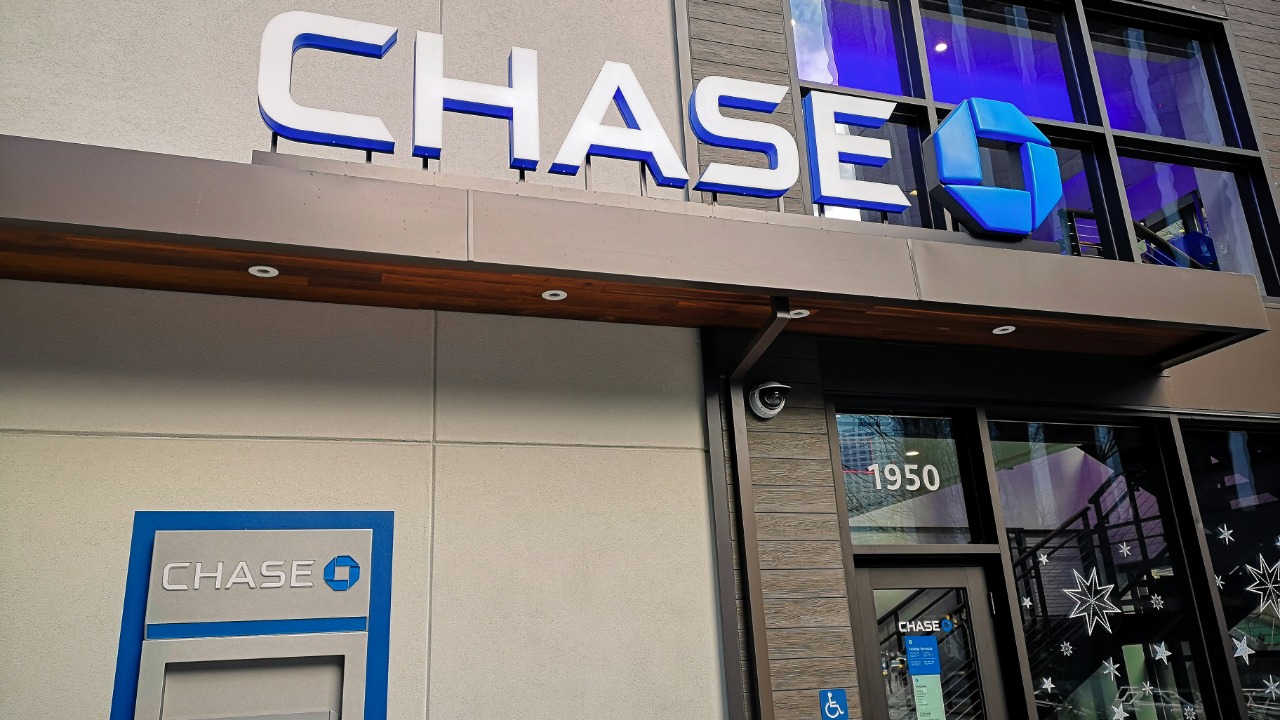
Major U.S. banks are accelerating a quiet but sweeping retrenchment from the high street, shuttering hundreds of locations even as customer deposits and digital usage grow. Over roughly the final quarter of the year, 311 branches are slated to disappear nationwide, while JPMorgan Chase has emerged as the single biggest closer, with 66 shutdowns across 2025. The headline figure captures the scale of the shift, but the timelines do not perfectly overlap, and the 66 Chase closures represent a full‑year total rather than a neatly defined slice of that 90‑day wave.
The 311‑branch wave and where Chase fits
I see the 311 closures as a snapshot of how quickly the physical banking map is being redrawn at the end of the year. Reporting on the end‑of‑year pullback describes Major US banks axing 311 locations over roughly a 90‑day stretch, a burst of consolidation that leaves some communities with no nearby branch at all. That figure captures a cross‑industry trend rather than the actions of any single institution, and it reflects decisions by several large players to compress their networks as the year closes.
Chase’s role in the broader shake‑up is significant, but it follows a slightly different calendar. Separate reporting on Big U.S. banks notes that Big U.S. institutions are closing more than 300 locations across 2025, and within that full‑year picture JPMorgan Chase accounts for 66 shutdowns, the most of any bank cited. That 66‑branch tally is a cumulative annual figure, not explicitly tied to the same 90‑day window that produced the 311‑branch count, so it is more accurate to say Chase is the year’s most aggressive closer rather than a defined subset of that specific quarter’s cuts.
Chase’s 66 closures and the “LIGHTS OFF” moment
Within the industry’s broader retrenchment, Chase has become a symbol of how even dominant players are shrinking their brick‑and‑mortar footprint. Coverage of the current shake‑up describes how JPMorgan Chase came in with 66 shutdowns in 2025, topping the league table of closures among large banks. That figure underscores how even a franchise that has spent years adding branches in growth markets is now pruning locations that no longer fit its digital‑first strategy.
Earlier coverage framed the trend in starker terms, highlighting a “LIGHTS OFF” moment as JPMorgan Chase closed 43 branches in 2025, according to a company spokesperson. A related breakdown of the same shake‑up notes that JPMorgan Credit for 43 closures came alongside other large lenders that “came in” at 28 shutdowns each, illustrating how Chase has consistently been at or near the top of the closure rankings throughout the year. Taken together, the 43‑branch snapshot and the 66‑branch full‑year total show a bank that has been steadily trimming locations rather than executing a single, one‑off cull.
Why hundreds of branches are disappearing
From my vantage point, the most important driver of these cuts is the simple fact that more customers now bank on their phones than at the teller window. Analysts tracking the 300‑plus closures across the industry point to a long‑running shift toward mobile deposits, Zelle transfers, and card‑based payments, arguing that the economics of maintaining large physical networks no longer add up in many neighborhoods. The same reporting that tallies more than 300 closures notes that federal regulators see the changes as part of a longer arc, not a sudden shock.
At the same time, the U.S. already had fewer branches than a decade ago, and the pace of consolidation has been accelerating. Data cited in the same analysis explain that the country had fewer locations in 2023 than in 2022, continuing a trend that has seen thousands of branches vanish since the early 2010s, as documented by S&P Global. The current 311‑branch wave and Chase’s 66‑location tally are simply the latest chapters in that longer story of digital migration and cost cutting.
Who gets left behind when branches close
For customers, the impact of these closures depends heavily on age, income, and geography. Reporting on the 311‑branch pullback describes how older customers and those with limited digital literacy struggle the most when their local branch disappears, especially if they rely on in‑person help to resolve fraud, manage cash, or navigate complex products. The same coverage of fury over the cuts highlights stories of people who do not trust apps or who lack reliable smartphones, and who now face long drives or bus rides just to access basic services.
Rural and low‑income urban neighborhoods are particularly vulnerable, because a single closure can turn a community into a banking desert. When a Chase branch or a competitor’s location shuts down, residents may be pushed toward check‑cashing outlets and payday lenders that charge far higher fees than mainstream banks. One analysis of the current shake‑up notes that Several communities are losing their last remaining option for in‑person banking, a shift that can ripple through local small businesses that depend on nearby branches for cash deposits and credit access.
Regulators, rivals and what comes next
Regulators are not blind to the speed of the transformation, but their tools are limited. The Office of the Comptroller of the Currency requires banks to notify it of planned closures, and Each week the OCC releases an updated bulletin listing upcoming shutdowns, relocations, and new branches. That public list, accessible through the agency’s weekly bulletin, has become a de facto early warning system for communities trying to anticipate whether their local branch is at risk.
Rival banks are making similar moves, even as they pitch their digital platforms as a solution to the access gap. Customers of Bank of America, for example, are being encouraged to shift more activity into the company’s mobile app and online portal at Bank of America, even as physical locations are consolidated. A detailed rundown of upcoming closures shows how many Bank of America locations are set to be shuttered, information that is being tracked in real time through an official list built from OCC data. Against that backdrop, Chase’s 66 closures and the 311‑branch end‑of‑year wave look less like an anomaly and more like the new normal for American retail banking.
More From TheDailyOverview

Grant Mercer covers market dynamics, business trends, and the economic forces driving growth across industries. His analysis connects macro movements with real-world implications for investors, entrepreneurs, and professionals. Through his work at The Daily Overview, Grant helps readers understand how markets function and where opportunities may emerge.