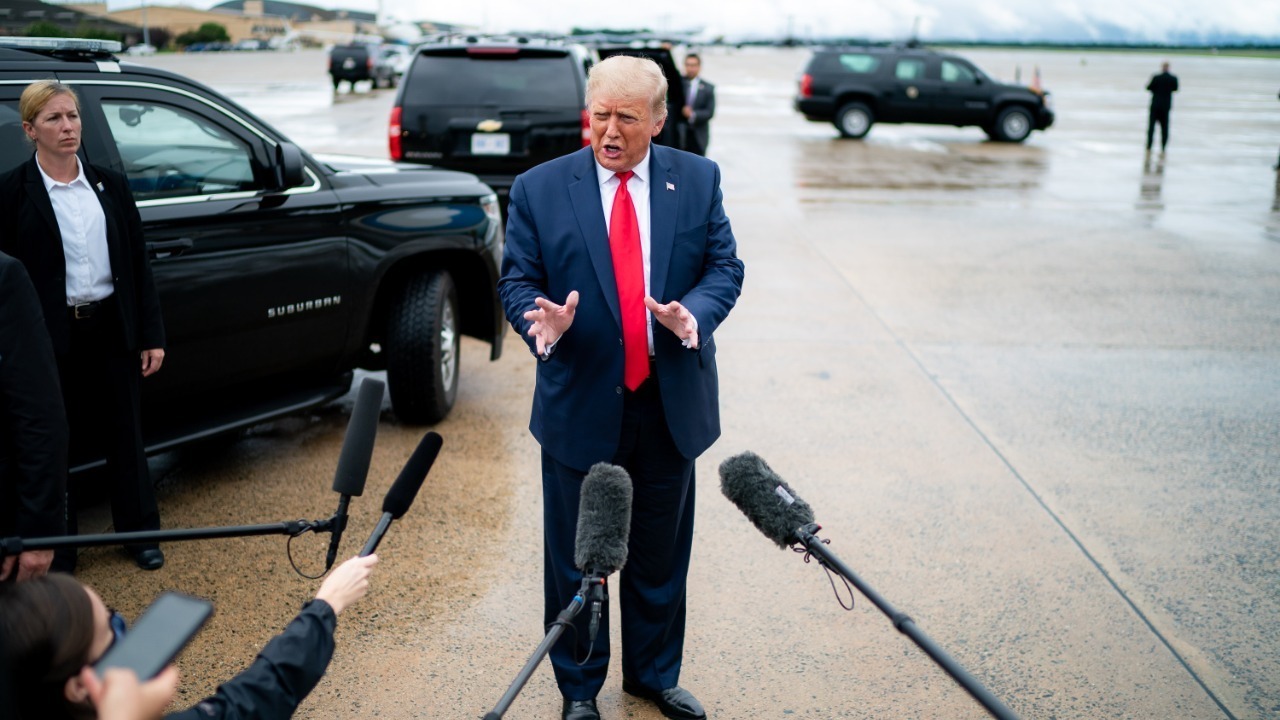
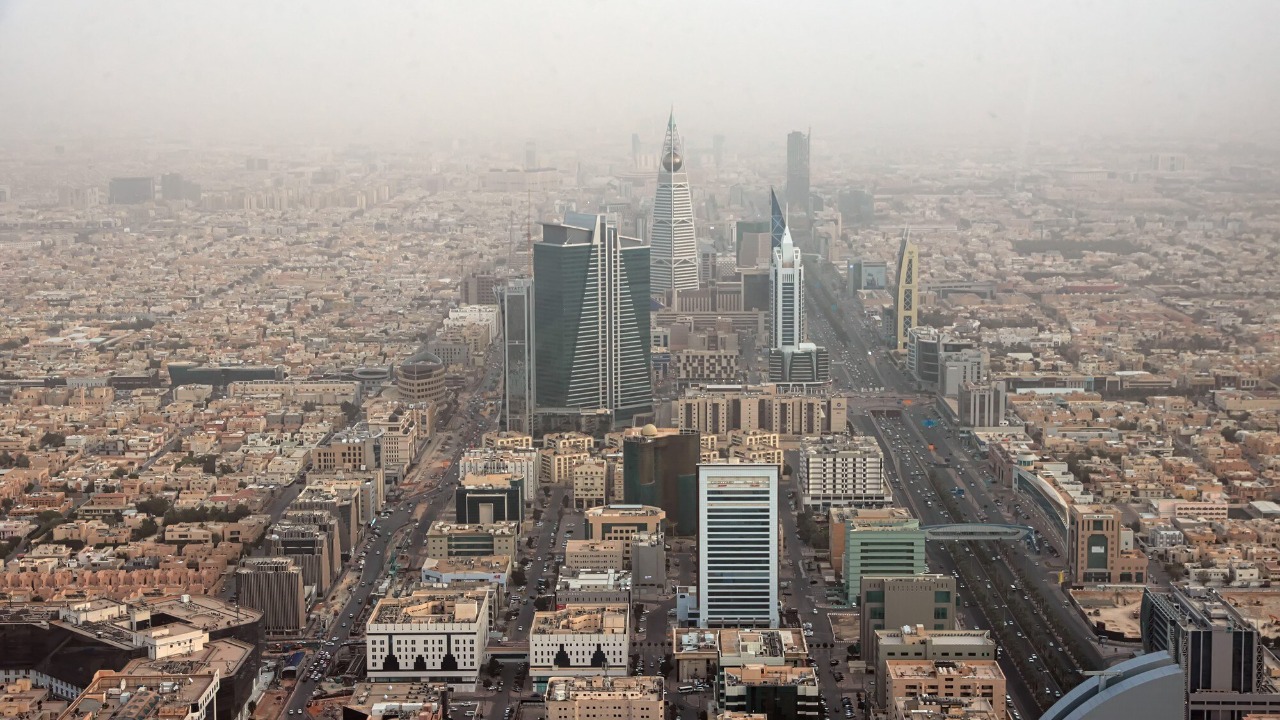
Cuba is running out of fuel, and with it, time. As the island’s reserves dwindle to what officials describe as only days of supply, President Donald Trump is under mounting pressure from Republican lawmakers to close a remaining embargo loophole that still allows some licensed trade. The fight over that gap is no longer an abstract sanctions debate, it is colliding with grounded flights, darkened streets and a United Nations warning that the country is edging toward humanitarian collapse.
At stake is more than the fate of a single island. The showdown over oil shipments to Havana is fast becoming a test of how far Washington is willing to weaponize access to energy, and how quickly Cuba can pivot toward alternative patrons such as Russia or China. I see a classic squeeze play taking shape: the tighter the United States pulls the embargo, the more it risks pushing Havana into deeper alignment with rival powers without necessarily toppling the communist leadership.
From national emergency to tariff threat
The current crisis traces back to President Trump’s decision to formally declare a national emergency with respect to Cuba, a move that framed the island not just as a long-standing adversary but as an acute security concern. In that declaration, effective January 29, he authorized sweeping tools to disrupt oil flows to the island and signaled that any country maintaining commercial ties with Havana’s energy sector could face economic pain. The order effectively turned the global oil market into an extension of U.S. sanctions policy, elevating what had been a regional pressure campaign into a broader test of American leverage.
That posture hardened when Trump threatened tariffs on any country that sells oil to Cuba, with particular pressure aimed at Mexico, a key regional supplier and U.S. trading partner. The warning that countries like Mexico could face new duties of up to an additional 54 percent on certain exports signaled that Washington was prepared to punish even close neighbors to choke off Havana’s fuel. Earlier analysis of the executive order underscored that Trump was tightening the screws on Cuba by targeting oil suppliers and explicitly tying the move to the capture of Venezuelan strongman Nicolás Maduro, casting the island as a node in a wider anti-U.S. network that includes Caracas and other authoritarian allies.
Legal specialists have noted that the national emergency designation gives the White House broad discretion to expand sanctions and tariffs on entities that maintain commercial ties with Cuba’s energy sector, including shipping firms and insurers that facilitate deliveries. In practice, that means even countries that do not buy or sell directly to Havana could find themselves entangled if their companies help move fuel that ends up in Cuban ports, a design that magnifies the chilling effect far beyond any single tanker or contract.
Republican push to close the embargo loophole
Against that backdrop, Republican lawmakers are urging Trump to go further by revoking the remaining licenses that still allow certain exports to Cuba under the decades-old embargo. Their argument is that as long as categories of goods can be shipped under humanitarian or civilian pretexts, Havana can shuffle resources internally and free up cash or fuel for the security apparatus. One letter warned that such activity risks undermining the central objectives of U.S. sanctions policy and contradicts the intent of Congress as reflected in the statutory framework that keeps the embargo in place, a direct challenge to any perception that the current carve-outs are harmless.
In Spanish-language outreach, GOP figures have been even more explicit, calling on Trump to cancel licenses for goods that appear destined for civilians but could indirectly bolster the regime. One Republican lawmaker argued that this should include “a lot of these categories of, you know, like your so-called humanitarian goods,” insisting that Washington must not leave “any potential lever of pressure” unused and stressing that “the reality is that we have a dictatorship ninety miles away and we have to use every tool under U.S. law.” That push has been amplified in conservative media coverage that frames the remaining exemptions as a loophole that allows the communist government to muddle through even as oil supplies dwindle to only days of cover, a narrative captured in summaries of the Repu pressure campaign.
Oil shock on the ground: airlines, Canadians and daily life
The abstract talk of loopholes and tariffs is already translating into concrete disruption for travelers and residents. The communist government has warned international airlines that they can no longer refuel at its main airport in Havana for the next month, citing the jet fuel shortage triggered by the U.S. effort to block oil shipments. In a notice to carriers, authorities in Havana for the first time acknowledged that they could not guarantee supplies, forcing airlines either to tanker extra fuel from foreign hubs or to suspend routes altogether, a dramatic illustration of how quickly an energy crunch can spill into aviation and tourism.
Some carriers have chosen to halt flights outright, with several suspending Cuba routes amid the jet fuel shortage that followed Trump’s tariff threats on oil shipments to the island. Reports highlighted how Rep. Carlos Gimenez, R-Fla., used an appearance on Mornings with Maria to back the president’s escalation and to argue that any country that continues to supply oil to the communist regime should face consequences, even as passengers found themselves stranded. Canadians in Cuba are now waiting for flights home as the energy shortage deepens, with local coverage describing how the U.S. oil blockade has left tour operators scrambling and hotels rationing power, a reminder that sanctions rarely stop neatly at the regime’s doorstep.
For ordinary Cubans, the fuel crunch is hitting in more mundane but brutal ways. The United Nations has warned of a looming humanitarian collapse as the United States seeks to block oil supplies, noting that prices for food and transportation have already surged and that vulnerable communities are bearing the brunt of the shortages. One image of a man riding past an abandoned car in a Havana street captured the new normal: public buses running less frequently, private taxis parked for lack of gasoline, and families weighing whether they can afford a trip across town. It is the kind of slow-motion squeeze that does not make headlines like a blackout, but erodes living standards day after day.
Humanitarian alarm versus maximum pressure logic
The United Nations’ warning is a direct challenge to the logic of maximum pressure that underpins Trump’s Cuba strategy. Humanitarian officials argue that when an island economy loses access to fuel, the first systems to falter are often hospitals, water treatment plants and food distribution networks, not the security services that regimes prioritize. The UN’s concern that Cuba is approaching humanitarian collapse as oil supplies are choked off reflects a broader fear that sanctions designed to punish leaders will instead accelerate hardship for civilians, especially when prices for basic goods and transportation spike faster than wages can adjust.
Supporters of the White House approach counter that the regime has long diverted subsidized fuel from allies like Venezuela to reward loyalists and fund security forces, and that only a truly comprehensive squeeze will force meaningful concessions. Legal analysis of Trump’s national emergency order notes that it was explicitly framed as a response to Cuba’s role in supporting captured Venezuelan strongman Nicolás Maduro, suggesting that Washington sees the island as a strategic hub rather than an isolated case. Yet the humanitarian critique raises a hard question: if the goal is political change in Havana, how much civilian pain is acceptable, and at what point does that pain become a recruiting tool for the very anti-U.S. narratives the regime thrives on?
Geopolitical blowback: Russia, China and the next phase
More From The Daily Overview
*This article was researched with the help of AI, with human editors creating the final content.

Grant Mercer covers market dynamics, business trends, and the economic forces driving growth across industries. His analysis connects macro movements with real-world implications for investors, entrepreneurs, and professionals. Through his work at The Daily Overview, Grant helps readers understand how markets function and where opportunities may emerge.