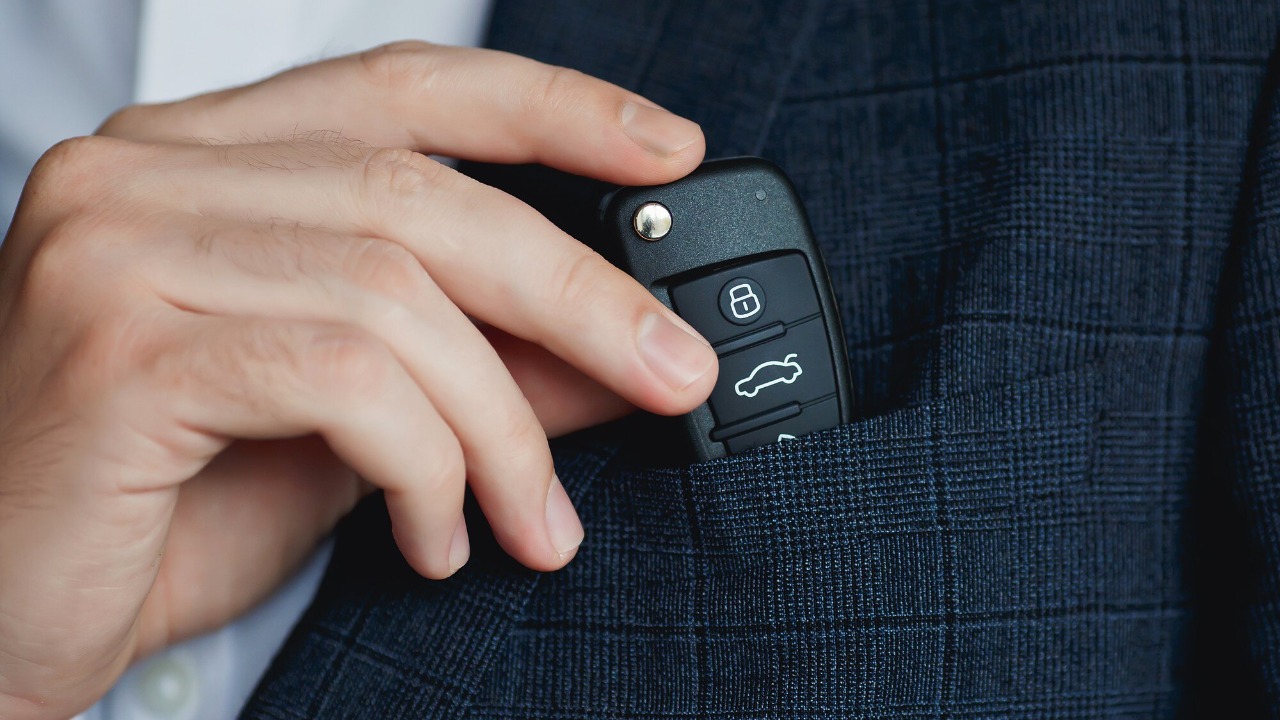
The rise of digital technology has brought convenience to our fingertips, but it has also opened new avenues for criminals. In recent incidents, car thieves are using sophisticated tools to clone key fobs, allowing them to steal vehicles in mere minutes. This alarming trend poses a significant threat to car owners and challenges law enforcement agencies to adapt to new criminal methodologies.
The Rising Trend of Key Fob Cloning

Key fob cloning is becoming a prevalent issue in the automotive theft landscape. Criminals are utilizing devices like ProPads, which enable the replication of key fob signals with relative ease. These devices, initially intended for legitimate locksmiths and automotive professionals, have found their way into the hands of thieves seeking to exploit their capabilities. By mimicking the signal of an original key fob, these cloned devices can unlock and start cars without the owner’s knowledge.
Recent incidents have highlighted the severity of this issue. In cities such as Houston and West Bloomfield, there has been a noticeable surge in car thefts attributed to cloned key fobs. Law enforcement agencies have reported a significant uptick in these crimes, with many victims unaware of the vulnerability of their vehicles until it’s too late.
How Key Fob Cloning Works
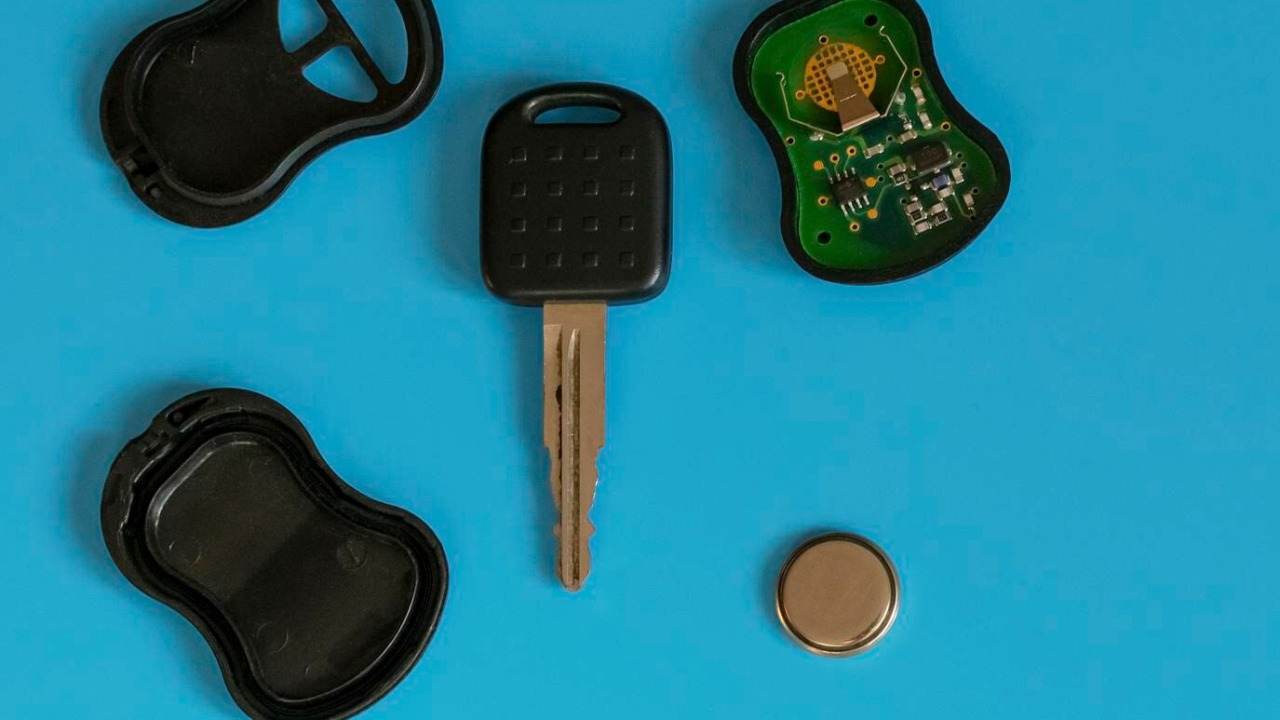
The process of key fob cloning involves capturing and replicating the radio frequencies emitted by the fob. Using devices designed to intercept these signals, thieves can create a copy of the key fob’s unique code. Once captured, the code can be transmitted by a cloned device to unlock and start the vehicle. This method is both quick and discreet, often taking only minutes to execute.
Some vehicle models are particularly vulnerable due to outdated or less sophisticated encryption methods in their security systems. Older models or those without advanced security protocols are more likely to fall victim to these types of attacks. As technology continues to evolve, so too must the security measures employed by automakers to protect their customers from such threats.
Impact on Victims and Communities

For those affected, the theft of a vehicle can be a devastating experience. One notable case involved a Houston man who discovered his stolen tailgate being sold online. This incident not only highlights the personal loss experienced by victims but also underscores the broader implications of such crimes. The economic impact on individuals can be significant, with many facing increased insurance premiums and costly replacements.
Communities hit by a spike in vehicle thefts also suffer from an emotional toll. The sense of security within neighborhoods diminishes as these crimes become more common. Additionally, local economies can be affected as residents invest in additional security measures, diverting funds from other potential uses.
Law Enforcement and Legal Challenges

Law enforcement agencies are actively working to address the rise in key fob cloning. Investigations often involve tracking the use and distribution of devices like ProPads and collaborating with tech companies to find solutions. However, these efforts are not without challenges. The evolving nature of this technology means that police must constantly adapt their strategies to keep pace with criminals.
From a legal perspective, there are significant hurdles in prosecuting cases of key fob cloning. Existing laws may not adequately cover the nuances of digital car theft, making it difficult to secure convictions. There is a pressing need for updated legislation that addresses the specifics of this crime and provides law enforcement with the tools necessary to combat it effectively.
Preventative Measures and Solutions
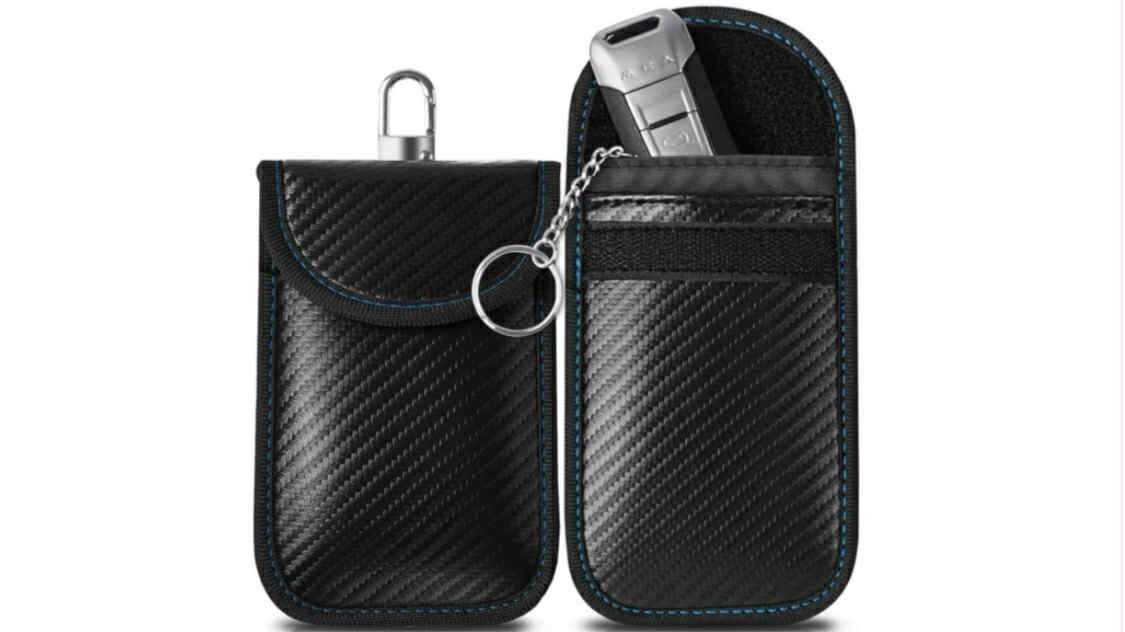
Car owners can take several steps to protect their vehicles from key fob cloning. Practical advice includes using steering wheel locks, which provide a physical barrier against theft, and storing key fobs in Faraday pouches to block radio frequencies. These simple measures can significantly reduce the risk of theft.
Looking to the future, advancements in automotive security technology offer hope in counteracting key fob cloning. Improved encryption methods and the integration of biometric systems are among the potential solutions being explored. By enhancing the security features of vehicles, manufacturers can create a more robust defense against these sophisticated theft techniques.
The Role of Technology Companies and Automakers

The responsibility for combating key fob cloning doesn’t rest solely on car owners. Manufacturers and technology companies play a crucial role in enhancing vehicle security. By investing in research and development, these entities can create more secure systems that protect against unauthorized access. Car producers must prioritize security in their design processes, ensuring that new models are equipped with the latest protective measures.
Collaborative efforts between tech firms and automakers are essential in developing new security protocols. Partnerships focused on innovation can lead to the creation of more advanced anti-theft technologies, providing car owners with peace of mind and reducing the prevalence of key fob cloning. As this threat continues to evolve, a united approach will be necessary to safeguard vehicles against digital theft.

Cole Whitaker focuses on the fundamentals of money management, helping readers make smarter decisions around income, spending, saving, and long-term financial stability. His writing emphasizes clarity, discipline, and practical systems that work in real life. At The Daily Overview, Cole breaks down personal finance topics into straightforward guidance readers can apply immediately.

