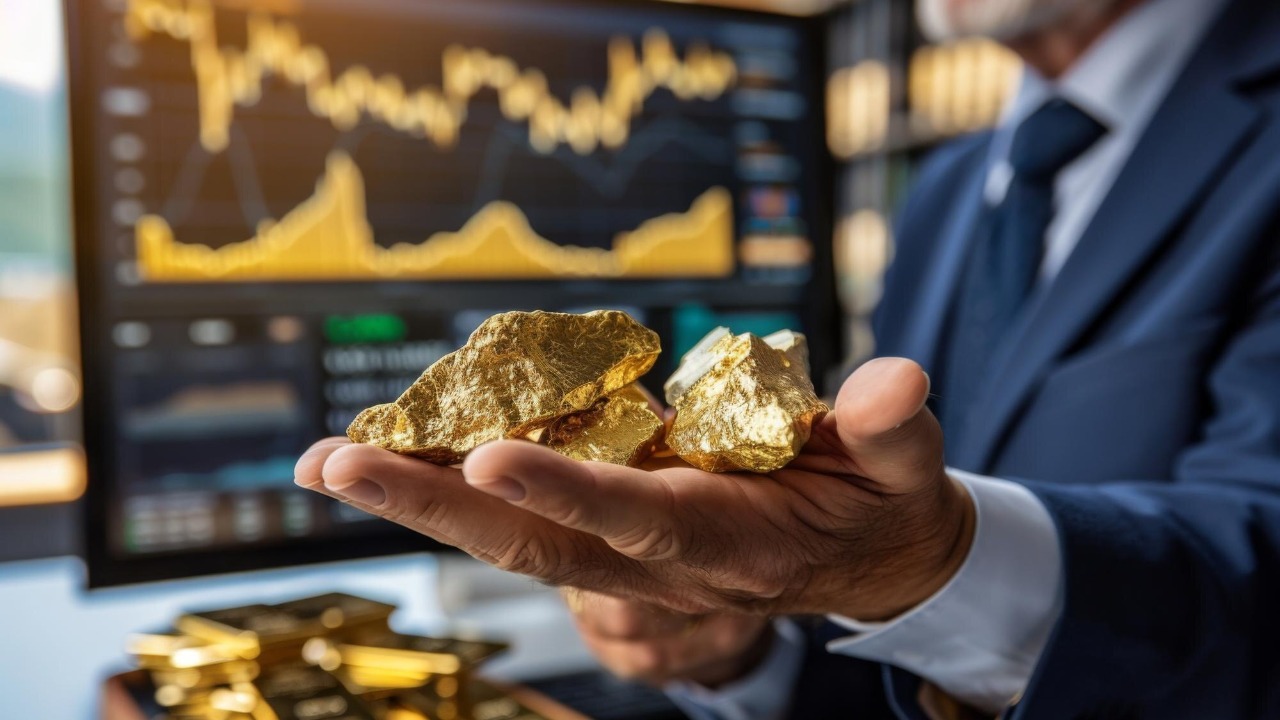
Gold has long been a cornerstone of wealth preservation and a hedge against economic uncertainties. Savvy investors recognize its potential to diversify portfolios and safeguard assets. Here, we delve into key insights and strategies that every smart investor should know to make informed decisions about investing in gold.
Understanding Gold as an Investment

The historical significance of gold cannot be overstated. For millennia, it has served as a universal currency and a reliable store of value. From ancient civilizations to modern economies, gold has been the standard against which the value of currencies is measured, offering a sense of security that few other assets can match. Its intrinsic value and scarcity have cemented its role as a financial safe haven.
When comparing gold with other investment options such as stocks, bonds, and real estate, gold often stands out for its stability. While stocks can offer high returns, they are also subject to market volatility. Bonds, on the other hand, provide fixed income but may not keep pace with inflation. Real estate requires significant capital and can be illiquid. Gold, however, maintains its value over time and often performs well during economic downturns, making it an essential part of a balanced investment portfolio.
The psychological allure of gold also plays a significant role in its continued popularity. In times of economic and geopolitical uncertainty, investors often turn to gold as a safe haven. Its tangible nature and historical significance provide reassurance, driving demand even in the most turbulent times.
Gold Market Dynamics

Understanding the supply and demand fundamentals is crucial for any gold investor. Gold production is primarily driven by mining activities, which are influenced by technological advancements and environmental considerations. Meanwhile, global consumption is driven by jewelry demand, industrial applications, and investment needs. The interplay between production and consumption significantly impacts gold prices.
Central banks also play a pivotal role in the gold market. Their policies on interest rates and currency valuation can influence gold’s attractiveness as an investment. Additionally, central banks hold substantial gold reserves, and their buying or selling activities can lead to shifts in market prices. As such, investors should monitor central bank policies to gauge gold’s potential performance.
Geopolitical factors further complicate gold market dynamics. International conflicts, political instability, and economic sanctions can drive investors towards gold as a refuge, pushing prices higher. Understanding these factors is essential for anticipating market movements and making informed investment decisions.
Strategies for Investing in Gold

When considering gold investments, one must decide between physical gold and paper gold. Physical gold, such as bullion and coins, offers tangible ownership but entails storage and insurance costs. Paper gold, including ETFs and mining stocks, provides liquidity and ease of trade but lacks the tangible asset’s psychological assurance. Each option has its advantages and drawbacks, and investors must weigh these based on their individual preferences and risk tolerance.
Timing the market can be challenging, but understanding economic indicators and market trends can help make more informed decisions. Monitoring inflation rates, currency fluctuations, and geopolitical events can provide clues about the best times to buy or sell gold. However, it is essential to approach market timing with caution and focus on long-term investment goals.
Diversification within gold investments is another strategy to mitigate risk. Combining different forms of gold investments, such as physical gold, ETFs, and mining stocks, can provide a balanced approach. This diversification helps shield investors from volatility in any single gold asset class, ensuring a more stable investment portfolio.
Risks and Challenges in Gold Investment

Investing in gold is not without risks. Volatility and market manipulation are potential concerns, as gold prices can experience significant swings. Additionally, market interventions by governments or large financial institutions can impact prices unpredictably. Investors must be aware of these risks and plan accordingly.
For those investing in physical gold, storage and insurance are practical considerations. Storing gold securely can involve costs, whether using a safe deposit box or a private vault. Insurance adds another layer of expense but is necessary to protect against theft or loss. Evaluating these logistics is crucial for anyone holding substantial quantities of physical gold.
Regulatory and tax implications are also important factors. Different countries have varying regulations on gold ownership and trading, and taxes on profits from gold sales can impact returns. Understanding these legal and tax considerations is essential for maximizing the benefits of gold investment.
Future Outlook for Gold Investments
Technological advancements in mining are poised to shape the future of gold investments. Innovations such as automation and improved extraction techniques can enhance production efficiency, affecting supply and potentially lowering costs. Investors should keep an eye on these developments to assess their impact on market dynamics.
Sustainable and ethical investing is gaining prominence, and the gold industry is no exception. Investors are increasingly considering the environmental and social impact of gold mining. Companies that prioritize sustainable practices may attract more investments, reflecting a shift towards responsible investing.
Long-term predictions for gold investments vary, but many experts foresee continued relevance for gold in the global economy. Factors such as economic growth, geopolitical stability, and currency fluctuations will influence gold’s future trajectory. As a result, investors must stay informed and adaptable, ready to adjust strategies in response to evolving market conditions.

Grant Mercer covers market dynamics, business trends, and the economic forces driving growth across industries. His analysis connects macro movements with real-world implications for investors, entrepreneurs, and professionals. Through his work at The Daily Overview, Grant helps readers understand how markets function and where opportunities may emerge.

