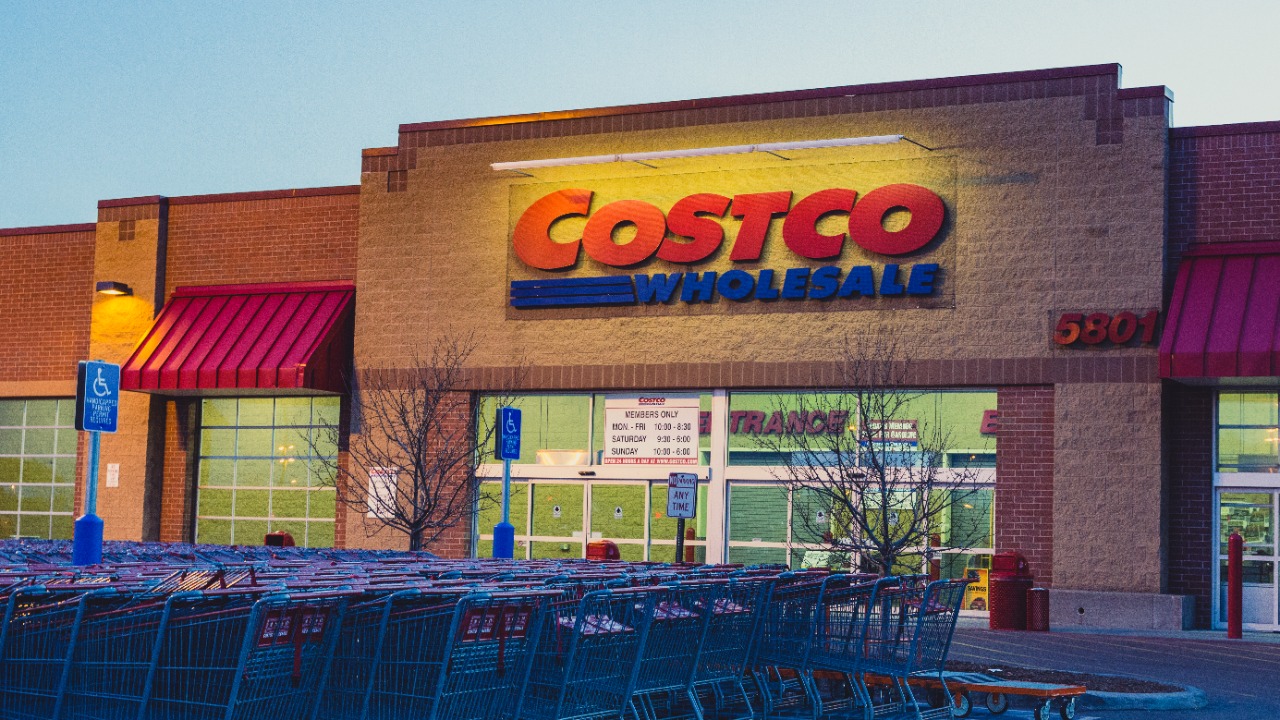
Costco has found a way to turn old electronics into something every member understands: free groceries. Instead of cash, the retailer pays trade-in value on devices in store credit, which can be spent on food, household basics, or almost anything else in the warehouse. That setup turns clutter in your junk drawer into a quiet loyalty engine for Costco, and a small but real incentive for shoppers to recycle aging tech instead of letting it pile up at home.
The trade-in system leans on two main pieces of infrastructure. First is Costco’s own Shop Card program, which acts as stored-value credit inside the warehouse. Second is a specialist partner that handles the work of checking and pricing used devices. Together, they create a closed loop where value never leaves Costco’s ecosystem, even as members feel like they are getting something for nothing when they roll out with a cart of groceries paid for by an old phone or tablet.
How Costco’s trade-in actually pays out
Costco’s electronics trade-in program does not send you a check or a bank transfer. Instead, the value of your old device is issued as either physical Costco Shop Cards or Digital Costco Shop Cards. These cards function as stored-value credit tied to the warehouse chain. According to Costco’s official Shop Card information, they can be used as payment for most merchandise purchases, so the trade-in value can cover everything from bulk produce to a rotisserie chicken, as long as it falls under the normal rules listed there.
The same official page explains that both the Shop Card and the Digital Shop Card are designed to work like store credit rather than a general-purpose gift card that can be used anywhere. In practice, that means every dollar Costco assigns to a traded-in laptop or phone stays inside the company’s retail system. Members feel like they are converting e-waste into “free” groceries, but from Costco’s perspective, it is controlled credit that will almost certainly be redeemed on higher-margin items somewhere in the warehouse or on the website.
Phobio’s role behind the scenes
Costco does not run the technical side of the trade-in process on its own. The company selected Phobio as its trade-in partner, and an official announcement from Phobio establishes the relationship and describes the core mechanics of the program. In that announcement, Phobio confirms that Costco chose it to power an online trade-in system, meaning Phobio is responsible for the evaluation workflow that turns an old device into a specific Shop Card or Digital Shop Card value for the member, as described in the Phobio partnership.
The same announcement confirms the partnership between Costco and Phobio as an ongoing arrangement, not a short-term promotion. Phobio specializes in trade-in platforms, so its role is to assess the condition and model of each device, assign a trade-in value based on its own criteria, and relay that figure back into Costco’s system so the correct Shop Card or Digital Shop Card can be issued. That division of labor lets Costco focus on what it already does well while outsourcing the complex task of grading phones, tablets, and computers in a consistent way that can scale to thousands of members at once.
Why store credit for groceries feels like “free” money
From a shopper’s point of view, the key psychological move is simple: turning something that feels like trash into a cart of food. Because trade-in payouts show up as Costco Shop Cards or Digital Costco Shop Cards, many members see them as a windfall rather than part of a tight household budget. When a member uses that balance on groceries, it feels like the food is free, even though the value is just being shifted from an old device to a new purchase inside the same retail system.
This structure also encourages Costco members to keep their spending inside the warehouse instead of cashing out and shopping somewhere else. The official Shop Card terms make clear that the credit is for merchandise purchases through Costco’s own channels. As a result, the trade-in program doubles as a retention tool. Costco gives up some margin on used electronics in exchange for more frequent store visits and bigger baskets, especially in categories like fresh food and pantry staples where members already tend to buy in bulk and may visit every few weeks rather than once in a while.
The limits of a closed-loop trade-in
There is a trade-off built into this model. Because payouts come only as Costco Shop Cards or Digital Costco Shop Cards, members who would prefer cash have less flexibility. They cannot redirect the value of an old smartphone toward rent, utilities, or another retailer. Critics of store-only trade-in systems often argue that this kind of closed loop favors the company more than the consumer, since it guarantees that every dollar of trade-in value returns to the same checkout lanes and stays locked inside one retail brand.
Even so, the structure may still appeal to shoppers who already rely on Costco for weekly or monthly grocery runs. For those members, store credit is nearly as useful as cash, because they would be spending money on food and household goods anyway. The official Shop Card documentation confirms that the credit is broadly usable on merchandise, which gives members a wide enough range of options that the lack of cash might feel less restrictive in practice than it looks on paper. For a family that spends $698 or more in a typical big stock-up trip, a single high-value trade-in can noticeably cut the bill.
How the numbers shape member behavior
Even without detailed public reporting, a few simple figures help show how this program can change habits. Imagine a member who trades in an old phone and receives $171 in store credit. If that member usually spends around $51 per quick visit on basics like milk, eggs, and paper towels, the trade-in covers more than three such trips. For someone who prefers larger hauls, that same $171 might pay for a significant share of a $698 bulk grocery run that stocks a pantry and freezer for weeks.
On the back end, a partner like Phobio can process large volumes of devices. If its systems are built to handle something on the order of 999509 individual trade-in evaluations over time, even a modest average payout per device would translate into a large pool of Shop Card value that must be spent at Costco. That steady flow of credit can nudge members to visit more often, try new categories, or upgrade to higher-quality items, because they feel like part of the cart is already paid for by old electronics they no longer needed.

Cole Whitaker focuses on the fundamentals of money management, helping readers make smarter decisions around income, spending, saving, and long-term financial stability. His writing emphasizes clarity, discipline, and practical systems that work in real life. At The Daily Overview, Cole breaks down personal finance topics into straightforward guidance readers can apply immediately.

