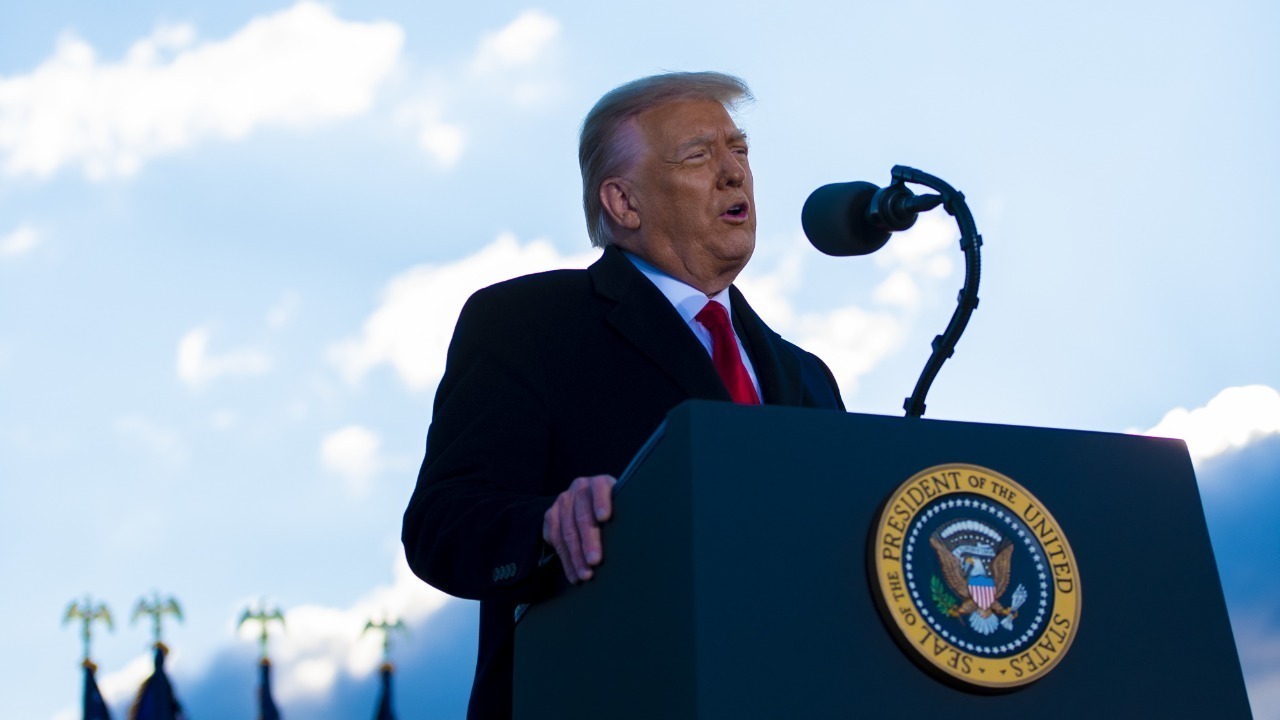
Cuba is hurtling into a fuel emergency just as President Donald Trump openly predicts that the island’s communist government is nearing collapse. With its subsidized Venezuelan crude cut off and new pressure on alternative suppliers, Havana is confronting a shortfall that officials say could leave the country without oil within weeks. Trump, fresh from military success in Venezuela, is betting that this energy squeeze will finally topple the regime.
The stakes are stark on both sides of the Florida Straits. For the White House, Cuba has become the next target in a campaign to remake the region’s politics after the fall of Nicolás Maduro. For Cubans, the loss of their oil lifeline is already translating into blackouts, fuel queues and warnings of a “hurricane” of hardship, even as the leadership vows to resist and survive.
From Venezuelan windfall to sudden cutoff
For two decades, Havana relied on Caracas as its primary energy backstop, trading medical brigades and intelligence support for heavily discounted crude. Cuba, a longtime ally of Venezuela, depended on subsidized oil from Caracas, a flow that allowed the island to mask chronic underinvestment in its own energy sector. That arrangement effectively ended after U.S. forces captured Maduro earlier this year, cutting off shipments and placing Venezuelan funds in US‑supervised accounts. Trump has framed that move as the first step in a broader strategy to starve Cuba of the “oil and money” it once drew from its ally.
Analysts describe the end of Venezuelan crude as “the acceleration of the inevitable,” arguing that Cuba’s model was always vulnerable to the loss of a single patron. One regional expert told WLRN Public Media that the post‑Venezuelan oil reality is forcing Havana to confront structural weaknesses it had long postponed. With Venezuelan support gone and domestic production stagnant, the island is scrambling for replacement barrels in a market where Washington is now actively working to close every remaining tap.
Trump’s pressure campaign and talk of regime collapse
Trump has been unusually blunt about his goals. On a return trip to Washington, he said that “Cuba looks like it’s ready to fall” and questioned whether the government could “hold out” much longer, comments reported as part of his broader regional tour after the Venezuela operation. Those remarks, captured in detail by Politico, echoed his earlier declaration that “Cuba is ready to fall,” a line he repeated while touting the success of the Venezuela campaign. In another appearance, he warned that “Cuba will be failing pretty soon,” tying that prediction directly to the loss of Venezuelan oil and the tightening U.S. grip on the island’s remaining suppliers, according to Reuters.
The president has paired that rhetoric with explicit threats and policy moves. He has publicly urged Havana to “make a deal” and warned on Truth Social that he “strongly” suggests Cuban leaders reach an agreement “BEFORE IT IS TOO LATE.” In Iowa, speaking at the Machine Shed restaurant in Urbandale on a Tuesday, he again said Cuba was failing because it was no longer getting oil from Venezuela, a message relayed to reporters and later detailed by Newsweek. In a separate video clip shared from the White House, President Donald Trump declared that “the lifeline has been cut,” warning that Cuba is on the verge of collapse after the Maduro operation, a message amplified on social media.
Naval squeeze and the hunt for every remaining barrel
Behind the scenes, the Trump administration is exploring harder tools to enforce that energy chokehold. Officials have weighed a naval blockade to halt Cuban oil imports, with one participant in those discussions quoted as saying that “Energy is the chokehold to kill” the regime, according to reporting on the internal debate over a potential naval blockade. The idea would be to intercept tankers headed to Cuban ports, particularly those carrying crude from countries that have stepped in to replace Venezuelan volumes. That prospect has already rattled shippers and insurers, who remember earlier U.S. sanctions on vessels serving the island.
At the same time, Washington is leaning on third countries that had become quiet lifelines. Cuba’s economy is on the verge of collapse as two of its top oil supplies, Venezuela and Mexico, dry up under U.S. pressure, according to regional reporting that describes how Cuba’s economy is being squeezed from multiple directions. Mexican leaders have now acknowledged that their country has paused oil shipments to Cuba under intense diplomatic lobbying from the United States, a decision that has left drivers in Havana, Cuba, waiting in long lines at gas stations on a Tuesday in late Jan, as described in dispatches from MEXICO CITY.
A fuel crisis measured in days, not months
The result is a supply crunch that Cuban officials now describe in alarmingly short timeframes. Cuba faces a looming fuel crisis due to what it calls a U.S. blockade as oil supplies dry up, with one assessment warning that the island has enough oil to last only 15 to 20 days at current levels of demand and domestic production, a figure cited in a detailed analysis of Cuba’s fuel crisis. That same reporting notes that the last Mexican shipment arrived on January 9, underscoring how quickly the tankers have stopped coming. A follow‑up account timed at 20:54 local time stressed again that Cuba has only 15 to 20 days of oil left and that imports from all suppliers effectively dried up in 2025, a stark data point in the 20:54 update.
Those numbers are already visible in daily life. People refuel their cars while others wait in long queues in Havana, a scene captured in multiple reports that show how ordinary People in Cuba are bearing the brunt of the shortages, as described in coverage of fuel queues. Cuba faces a looming fuel crisis due to the U.S. blockade as oil supplies dry up, a phrase repeated in assessments by Caliber, and the 20:54 reference has become shorthand among observers tracking how little time Havana has to find alternative supplies, as noted again in the Cuba update.
Blackouts, “war” language and a defiant government
The fuel crunch is colliding with an electricity system that was already in deep trouble. Cuba’s Electricity Crisis, detailed in a human‑rights analysis titled What is Happening and What Comes Next, describes Recent Blackouts that are not random but the result of a chronic gap between demand and available supply, a pattern laid out in the review of Recent Blackouts. With less fuel for power plants, those outages are likely to intensify, compounding shortages of medicine and food that have already pushed Cuba’s long‑suffering economy into what one economist described as “free fall,” a phrase used in an assessment of Cuba’s economy.
Havana is responding with martial language and preparations that verge on wartime footing. Officials have warned that “a hurricane is coming” as the U.S. shuts off Cuba’s oil valve, telling residents that If the US continues to prevent the flow of oil from Venezuela and pressures Cuba’s few remaining oil producing allies like Mexico, the island must be ready for confrontation, a scenario laid out in a detailed report on the threat of war between If the US, Venezuela and Cuba. The Cuban president has said the island is prepared to “defend homeland to last drop of blood” as Trump ramps up pressure after action in Vene, a defiant stance captured in coverage of the clash between the Cuban president and Trump.
More From TheDailyOverview
*This article was researched with the help of AI, with human editors creating the final content.

Grant Mercer covers market dynamics, business trends, and the economic forces driving growth across industries. His analysis connects macro movements with real-world implications for investors, entrepreneurs, and professionals. Through his work at The Daily Overview, Grant helps readers understand how markets function and where opportunities may emerge.

