
Financial expert Dave Ramsey has recently voiced his concerns over the “passive income” real estate hype, suggesting that landlords are being misled by unrealistic promises often propagated through platforms like TikTok. Ramsey, renowned for his financial guidance, contrasted these modern-day dreams with his own journey from financial hardship to success, highlighting his transition from driving a borrowed Cadillac with 400,000 miles to owning “very nice, very expensive cars” today.
The Rise of Real Estate Hype on TikTok

TikTok has emerged as a significant platform for promoting real estate as a lucrative source of passive income. Content creators on the app often showcase success stories and strategies that promise financial freedom through property investments. These influencers, ranging from seasoned investors to self-proclaimed real estate gurus, attract large audiences by simplifying complex investment concepts into digestible, engaging content. However, the allure of quick and easy wealth can overshadow the realities and risks involved in real estate investment.
Many TikTok creators emphasize the potential for high returns with minimal effort, often glossing over the challenges and responsibilities that come with being a landlord. This portrayal can be particularly appealing to younger audiences who are eager to achieve financial independence. However, the simplified narratives can lead to misconceptions about the true nature of real estate investing, potentially setting up aspiring investors for disappointment.
In addition to the simplified narratives, TikTok’s algorithm plays a significant role in amplifying content that promises quick financial gains. This can create an echo chamber where only the most sensational success stories are highlighted, further skewing perceptions about real estate investing. The platform’s short-form video format encourages creators to condense complex financial strategies into bite-sized pieces, which can lead to oversimplification and the omission of critical details necessary for making informed investment decisions.
Moreover, the interactive nature of TikTok allows users to engage with content through comments and direct messages, fostering a community where advice is freely exchanged. While this can be beneficial, it also opens the door to misinformation and unverified claims. Aspiring investors may find themselves relying on anecdotal evidence rather than comprehensive research, increasing the risk of making poorly informed financial choices.
Dave Ramsey’s Critique of Passive Income Promises

Dave Ramsey has been vocal about his skepticism regarding the passive income narrative being sold to landlords. He argues that the idea of effortless income through real estate is misleading and fails to account for the complexities and potential pitfalls of property management. According to Ramsey, the notion that real estate can provide a steady stream of income without significant effort is a dangerous oversimplification that can lead to financial missteps.
Ramsey emphasizes the importance of understanding the risks and realities associated with real estate investments. He points out that property management involves ongoing responsibilities, including maintenance, tenant management, and financial planning. These factors can significantly impact the profitability and sustainability of real estate ventures, making it crucial for investors to approach the market with a realistic mindset and thorough preparation.
Ramsey also highlights the psychological impact of these passive income promises, noting that they can create unrealistic expectations and a false sense of security. He stresses that financial success requires active involvement and continuous learning, rather than a passive approach. Ramsey’s critique is rooted in his broader philosophy of financial responsibility, which emphasizes living below one’s means, avoiding debt, and investing in a diversified portfolio to build wealth over time.
Furthermore, Ramsey advises potential investors to consider the long-term implications of their financial decisions. He warns that the allure of passive income can lead individuals to overlook the importance of liquidity and the ability to adapt to changing market conditions. By focusing solely on the promise of easy money, investors may neglect essential aspects of financial planning, such as emergency funds and retirement savings.
Ramsey’s Personal Financial Journey
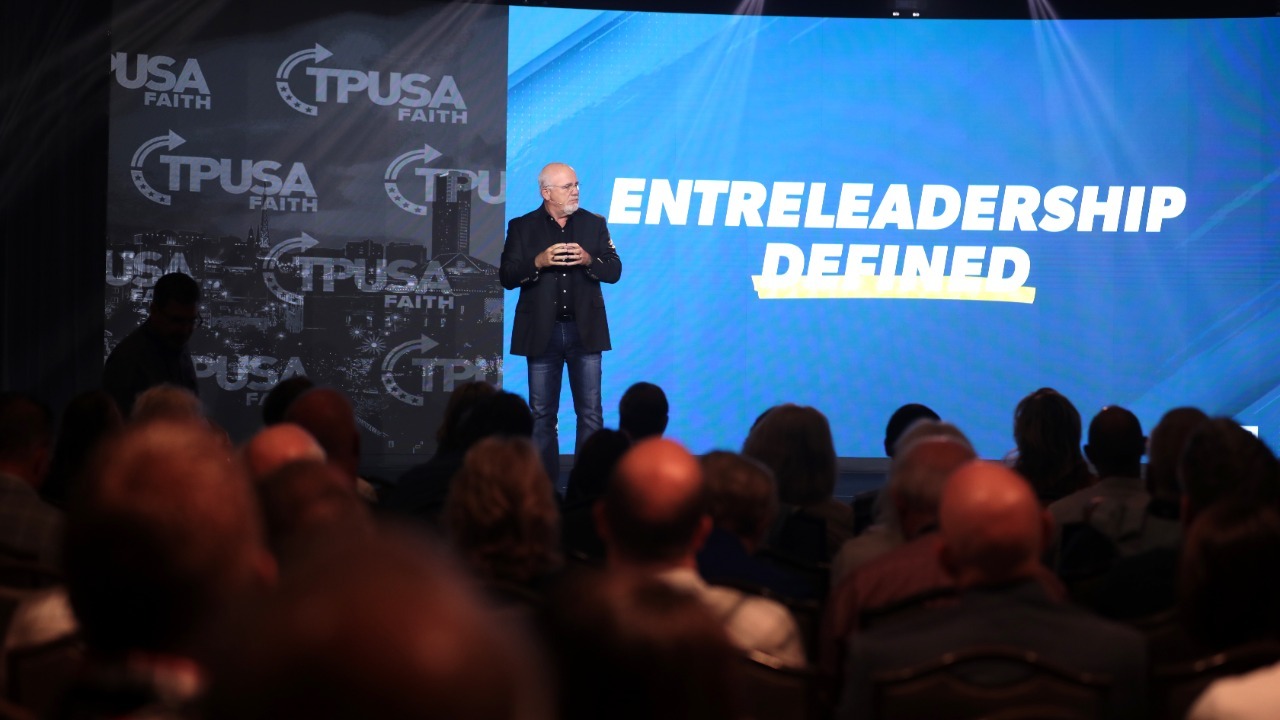
Dave Ramsey’s personal financial journey serves as a testament to the importance of resilience and prudent financial management. After experiencing financial ruin, Ramsey found himself driving a borrowed Cadillac with 400,000 miles and a torn roof. This period of hardship shaped his approach to money management and fueled his commitment to helping others achieve financial stability. His story underscores the value of learning from past mistakes and adopting a disciplined approach to personal finance.
Today, Ramsey’s success is evident in his ability to drive “very nice, very expensive cars,” a stark contrast to his earlier struggles. His experiences have informed his financial advice, which often emphasizes the importance of avoiding debt and building wealth through careful planning and investment. Ramsey’s journey highlights the potential for financial recovery and growth, provided individuals are willing to adopt a realistic and disciplined approach to their finances.
The Reality Behind Real Estate Investments

Real estate investment is often touted as a reliable source of passive income, but this perception can be misleading. Many aspiring investors are drawn to the idea of earning money with minimal effort, yet the reality is that property management requires significant time, effort, and expertise. Common misconceptions include underestimating the costs associated with property maintenance, tenant turnover, and unexpected repairs, all of which can erode profits.
New landlords, particularly those influenced by TikTok hype, may face challenges such as finding reliable tenants, navigating legal requirements, and managing cash flow. These factors can complicate the investment process and impact the overall success of real estate ventures. Aspiring investors must be prepared to address these challenges and conduct thorough research before committing to property investments.
In addition to the operational challenges, real estate investments are subject to market fluctuations that can affect property values and rental income. Economic downturns, changes in interest rates, and shifts in local housing demand can all impact the profitability of real estate ventures. Investors must be prepared to weather these fluctuations and have contingency plans in place to manage potential financial setbacks.
Moreover, the legal and regulatory landscape of real estate can be complex and varies significantly by location. Landlords must navigate zoning laws, tenant rights, and property tax regulations, which can add layers of complexity to property management. Failure to comply with these regulations can result in legal disputes and financial penalties, underscoring the importance of thorough research and professional guidance in real estate investing.
Advice for Aspiring Real Estate Investors

For individuals considering entering the real estate market, thorough research and due diligence are essential. Prospective investors should educate themselves on the local real estate market, understand the financial implications of property ownership, and develop a comprehensive investment strategy. Consulting with experienced professionals and seeking advice from reputable sources can provide valuable insights and help mitigate potential risks.
Additionally, aspiring investors should be wary of overly simplistic narratives and promises of easy money. Real estate investment requires careful planning, ongoing management, and a willingness to adapt to changing market conditions. By approaching the market with a realistic mindset and a commitment to learning, investors can increase their chances of achieving long-term success in real estate.
For more insights on Dave Ramsey’s critique of passive income real estate hype, visit Benzinga. To learn more about Ramsey’s personal financial journey, check out Inkl.

Elias Broderick specializes in residential and commercial real estate, with a focus on market cycles, property fundamentals, and investment strategy. His writing translates complex housing and development trends into clear insights for both new and experienced investors. At The Daily Overview, Elias explores how real estate fits into long-term wealth planning.

