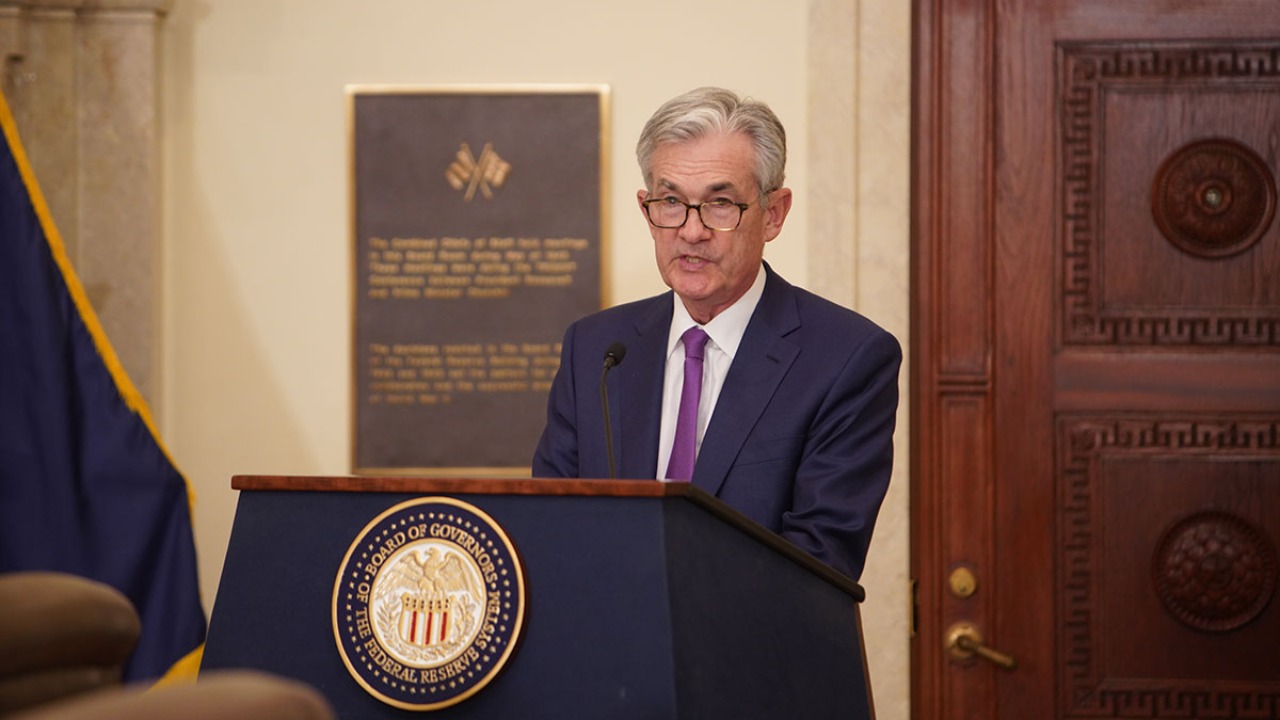
The Federal Reserve’s recent decision to cut short-term interest rates is set to have significant effects on personal finances across the United States. Announced on September 25, 2025, this move is poised to impact various financial areas, including mortgages, credit cards, and auto loans. As consumers and investors adjust to these changes, understanding the implications of this rate cut becomes crucial for financial planning.
Impact on Mortgages

The Federal Reserve’s rate cut is expected to lead to a decrease in mortgage rates, offering potential savings for homebuyers and those looking to refinance. According to Herald Courier, this reduction in rates could make homeownership more accessible and refinancing more attractive. For homeowners in Massachusetts and other states, the immediate effect on mortgage payments could make it more affordable to buy or refinance homes, as noted by The Patriot Ledger.
Lower mortgage rates can significantly reduce monthly payments, which is particularly beneficial in high-cost areas where housing affordability is a concern. This change might encourage more people to enter the housing market or consider refinancing their existing mortgages to take advantage of the lower rates. As the housing market responds to these changes, potential buyers and current homeowners should closely monitor rate trends to make informed decisions.
Changes in Credit Card and Auto Loan Rates

Credit card interest rates are also expected to decrease slightly, which could ease the financial burden on consumers with existing credit card debt. USA Today highlights that while the reduction may not be substantial, it can still provide some relief for those managing high-interest debt. This change underscores the importance of reviewing credit card terms and considering balance transfers or consolidations to capitalize on lower rates.
Similarly, auto loans might see reduced rates, potentially lowering monthly payments for new car buyers. This could stimulate the auto market by making it more affordable for consumers to finance new vehicles. As the cost of borrowing decreases, consumers may find it easier to upgrade their vehicles or purchase new models, contributing to increased sales in the automotive industry.
Effects on Savings and Investments
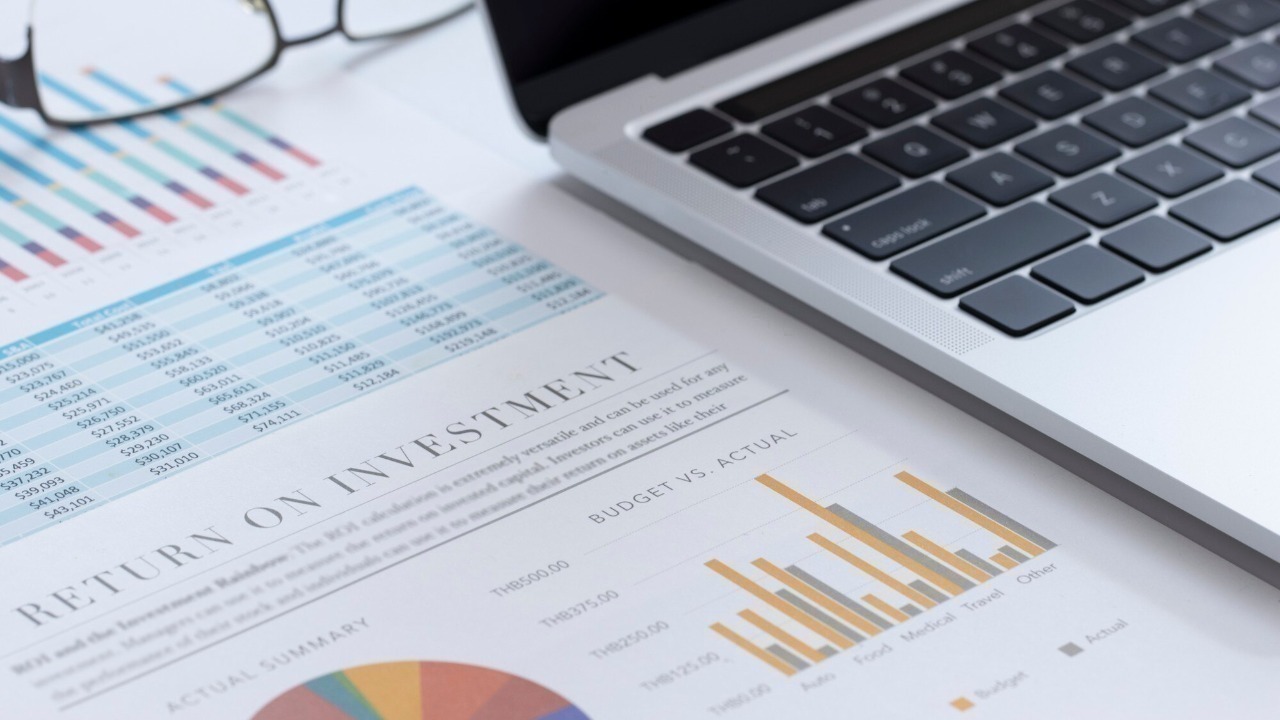
While borrowers may benefit from lower interest rates, savers could face challenges as savings account interest rates decline. According to The New York Times, this decrease in yields offers less incentive for saving in traditional accounts. As a result, individuals may need to explore alternative investment options to achieve higher returns.
Investors might look for higher returns in other financial products due to the potential decrease in savings account yields. This shift could lead to increased interest in stocks, bonds, or other investment vehicles that offer better returns. As the financial landscape evolves, it is crucial for investors to reassess their portfolios and consider diversifying to mitigate risks associated with lower interest rates.
In addition to traditional savings accounts, certificates of deposit (CDs) and money market accounts are also likely to see reduced yields. This environment may push savers to consider more aggressive investment strategies, such as equities or real estate, to achieve their financial goals. According to DJC, the shift in interest rates could lead to increased volatility in the stock market as investors seek higher returns, potentially impacting market stability.
Moreover, the lower interest rate environment could influence corporate investment strategies. Companies might take advantage of cheaper borrowing costs to finance expansion projects or invest in new technologies. This could lead to increased demand for stocks in sectors poised for growth, offering potential opportunities for investors willing to take on additional risk. As these dynamics unfold, staying informed about market trends and economic indicators will be crucial for making sound investment decisions.
Retirees and Fixed Incomes

Retirees relying on fixed-income investments could see reduced income from interest-bearing accounts, affecting their financial planning. AARP notes that the rate cut may prompt retirees to reassess their investment strategies to maintain their desired income levels. This situation highlights the importance of having a diversified portfolio that can withstand fluctuations in interest rates.
As retirees navigate these changes, they may need to explore alternative income sources or adjust their spending habits to ensure financial stability. Consulting with financial advisors and staying informed about market trends can help retirees make informed decisions that align with their long-term financial goals.
For retirees, the challenge of maintaining a stable income in a low-interest-rate environment is compounded by rising living costs. As noted by DJC, retirees may need to explore alternative investment options such as dividend-paying stocks or annuities to supplement their income. These options can provide a more reliable income stream, albeit with varying levels of risk and return.
Additionally, the rate cut may encourage retirees to reassess their financial plans, considering the potential benefits of delaying Social Security benefits to increase future payouts. Engaging with financial advisors to explore these strategies can help retirees navigate the complexities of a changing economic landscape. By proactively managing their portfolios, retirees can better position themselves to weather the impacts of fluctuating interest rates and maintain their financial security.
Overall Economic Implications
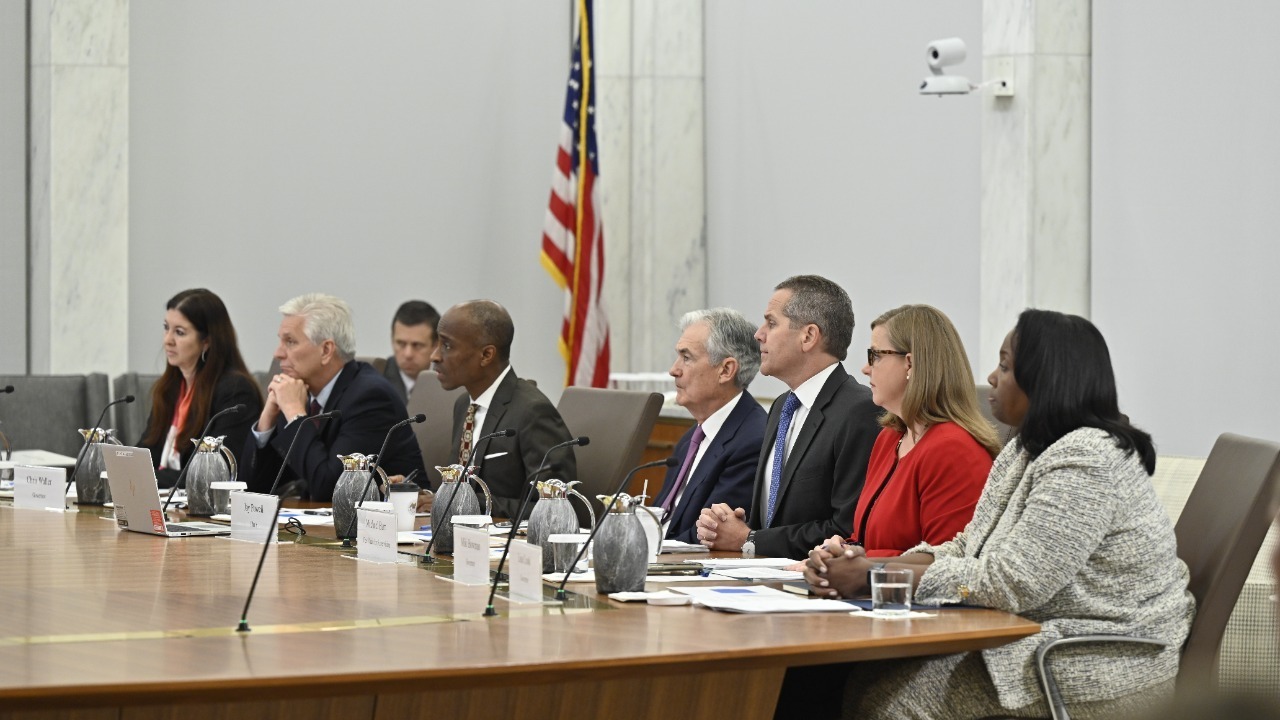
The Federal Reserve’s decision is expected to stimulate economic growth by making borrowing cheaper, encouraging spending and investment. ABC News suggests that this move could be a response to recent economic indicators signaling a need for monetary policy adjustments. By lowering interest rates, the Fed aims to boost consumer confidence and support economic expansion.
Analysts believe that the rate cut could have a positive impact on the economy by fostering an environment conducive to growth. As businesses and consumers take advantage of lower borrowing costs, increased spending and investment could drive economic activity and support job creation. However, it is essential to monitor the long-term effects of this policy change to ensure sustainable economic development.
In conclusion, the Federal Reserve’s recent rate cut is poised to have far-reaching effects on personal finances and the broader economy. By understanding the implications of these changes, individuals can make informed decisions that align with their financial goals and adapt to the evolving economic landscape.