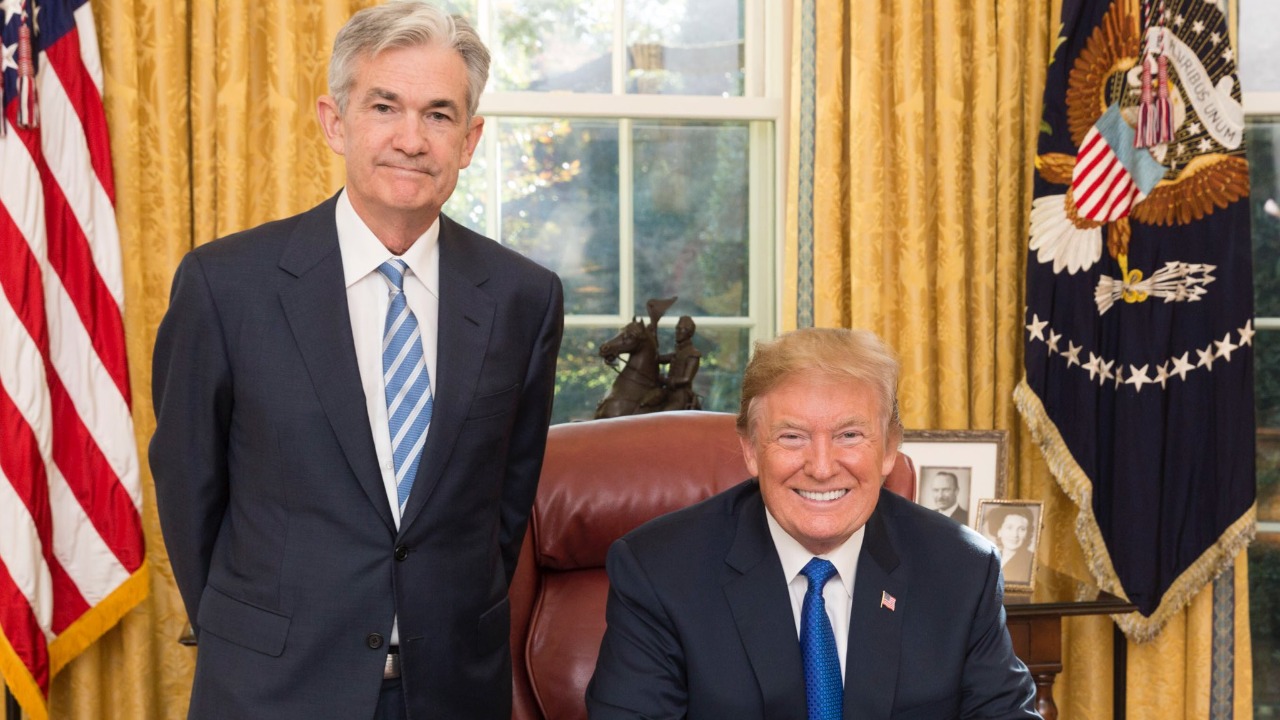
President Donald Trump has unleashed a verbal tirade against Federal Reserve Chair Jerome Powell following the Fed’s decision to hold interest rates steady. Trump’s criticisms of Powell are not new, but his latest barrage of insults underscores the tension between the two over economic policy. The details of Trump’s recent comments, the implications for economic policy, and the historical context of their ongoing feud are worth examining.
The Latest Rate Decision
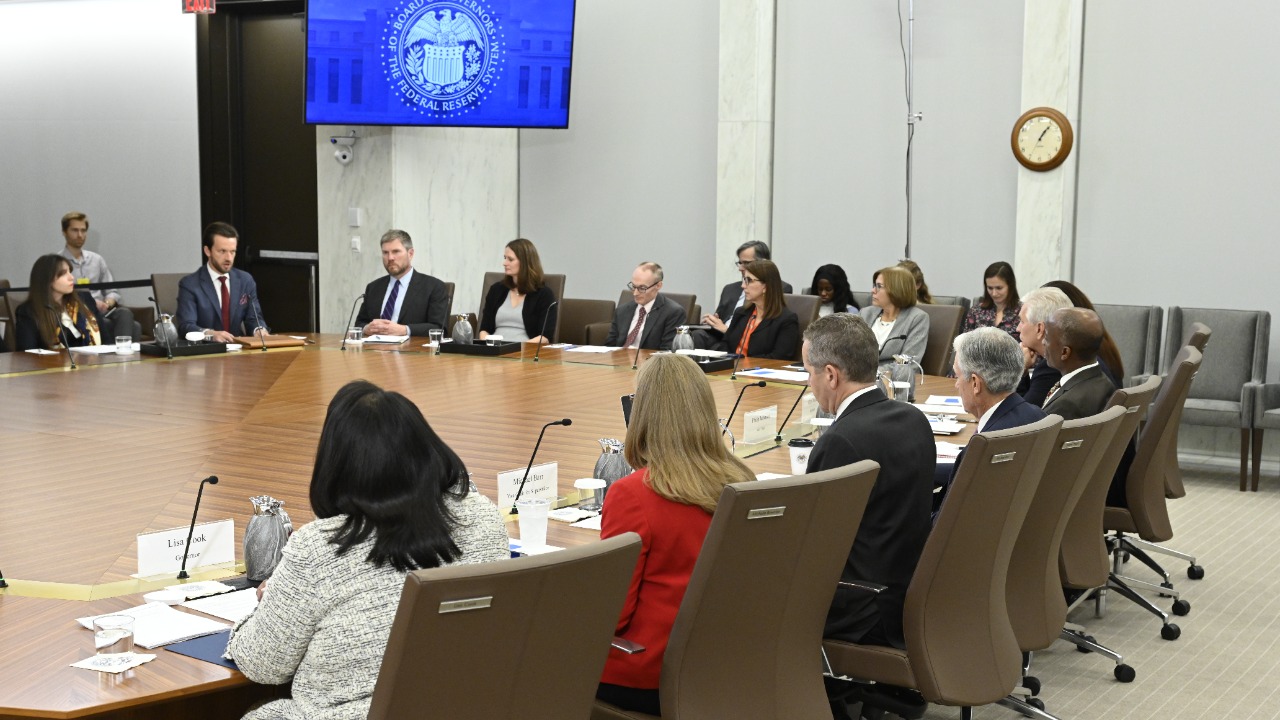
The Federal Reserve’s decision to maintain interest rates at current levels comes amid a complex economic landscape marked by concerns over inflation and economic growth. By holding rates steady, the Fed aims to strike a balance between fostering economic recovery and keeping inflation in check. This decision reflects the Fed’s cautious approach in navigating the post-pandemic economy, where uncertainties persist both domestically and globally.
The potential impacts of this decision on the U.S. economy and global markets are multifaceted. On one hand, maintaining steady rates could help sustain economic growth by keeping borrowing costs low for consumers and businesses. On the other hand, it could also risk fueling inflation if the economy overheats. Stakeholders, including economists, politicians, and business leaders, have varied reactions to this decision, reflecting differing priorities and concerns about the economic outlook.
Trump’s Reaction and Insults
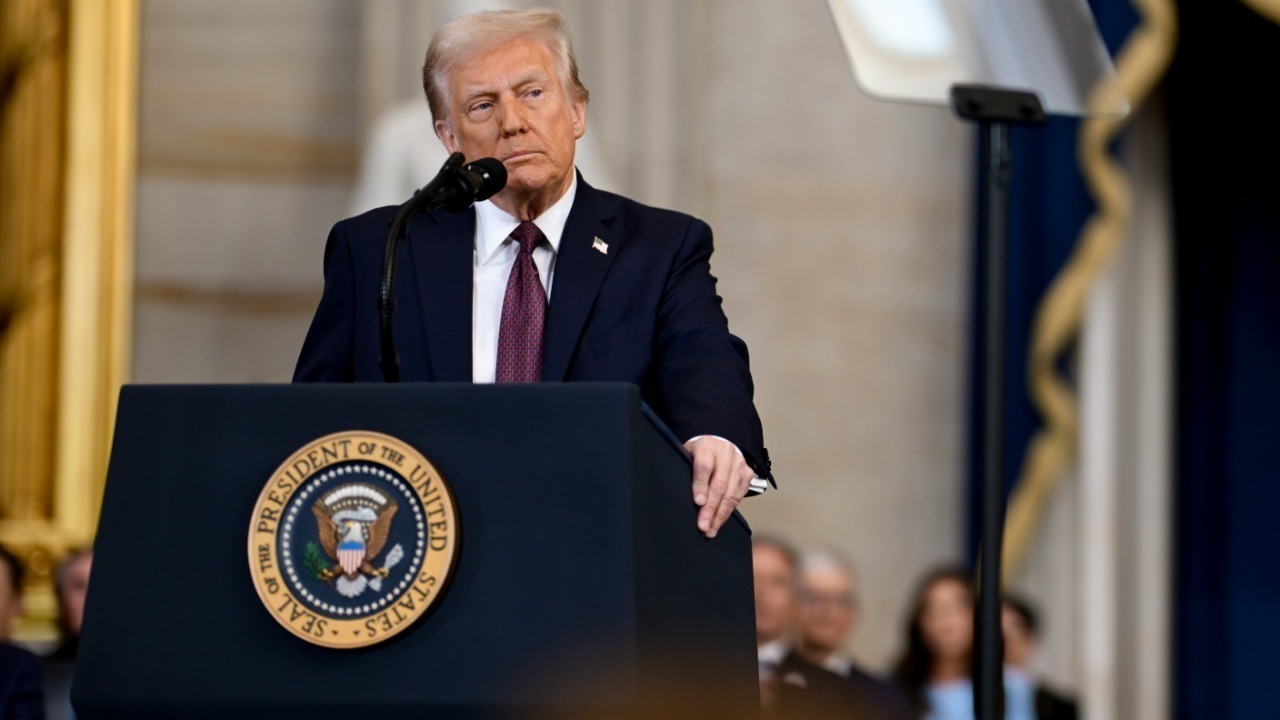
Trump’s reaction to the Fed’s rate decision was swift and marked by a series of derogatory comments aimed at Powell. He accused Powell of being a “stubborn moron” and suggested that his refusal to lower interest rates would harm the economy. Such language is not new for Trump, who has a history of using colorful and often inflammatory rhetoric when discussing the Federal Reserve and its policies.
The relationship between Trump and Powell has been fraught with tension since Powell’s appointment. Trump’s public criticisms of Powell have been a recurring theme, with previous instances including accusations of Powell being an economic adversary. Trump’s motivations for such aggressive rhetoric likely stem from his belief that lower interest rates would have bolstered his administration’s economic achievements. This aggressive stance also reflects Trump’s broader approach to leadership, where direct and often confrontational communication is a hallmark.
Implications for Economic Policy
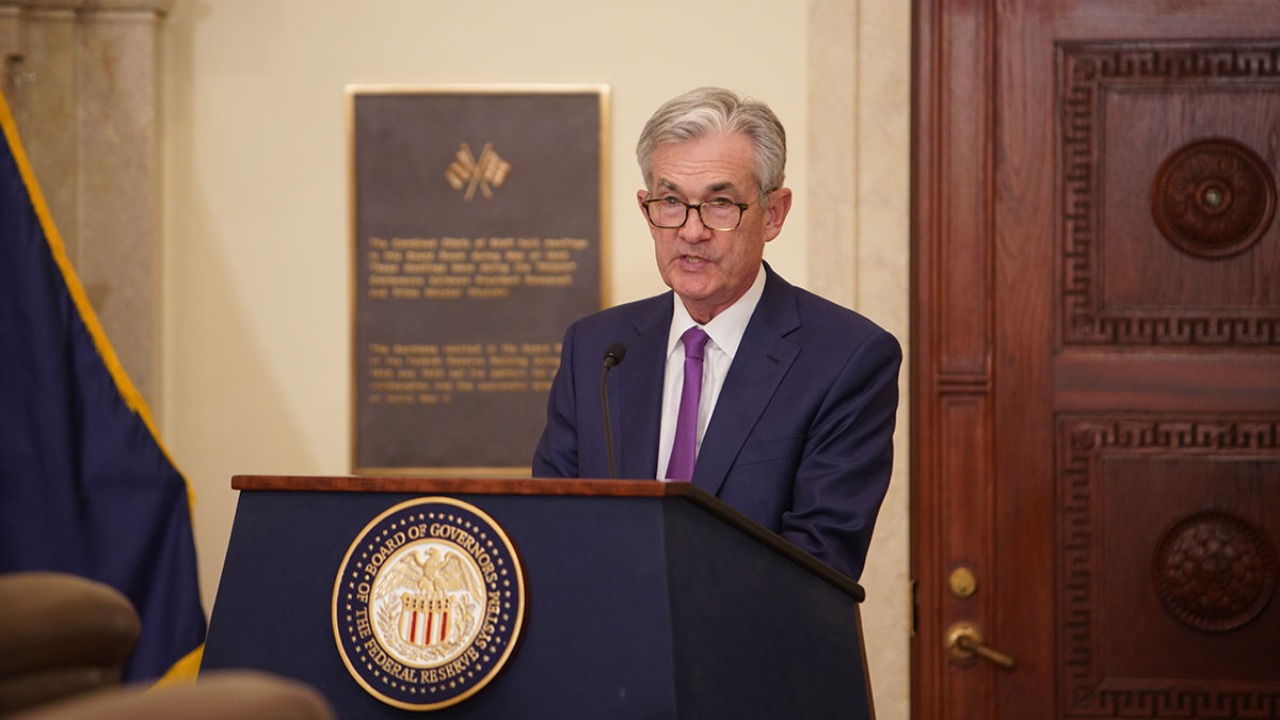
Trump’s criticisms could potentially shape public perception of the Federal Reserve and its policies. By casting doubt on Powell’s decisions, Trump risks undermining confidence in the Fed’s independence and its ability to make sound monetary policy decisions. This could create a challenging environment for Powell and his colleagues as they strive to balance competing economic pressures.
The risks of political interference in monetary policy decision-making are significant. If the public begins to perceive the Fed as susceptible to political pressures, it could undermine the institution’s credibility and effectiveness. Powell and the Fed must navigate these external pressures carefully to maintain policy integrity and ensure that their decisions are guided by economic fundamentals rather than political expediency.
Historical Context and Ongoing Feud
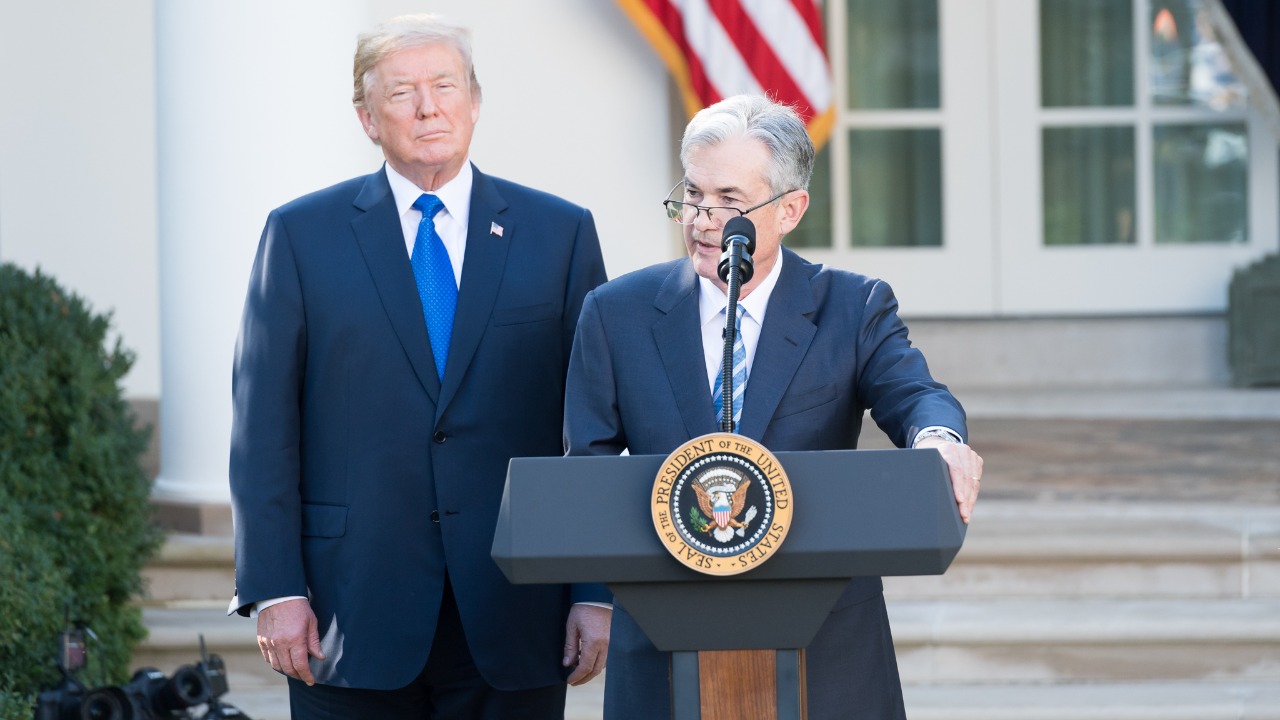
The feud between Trump and Powell is not an isolated incident but rather part of a broader historical pattern of tensions between U.S. presidents and Federal Reserve chairs. Past presidents have often expressed frustration with the Fed’s actions, particularly when they perceive those actions as hindering their economic agendas. However, Trump’s public and persistent criticisms of Powell are notable for their intensity and frequency.
This ongoing feud reflects larger trends in political and economic discourse in the United States. It highlights the challenges faced by independent institutions in an increasingly polarized political environment. As the lines between politics and economic policy blur, the importance of maintaining the Fed’s independence becomes even more critical. This tension between political objectives and economic realities is a recurring theme in the history of U.S. monetary policy.
Public and Political Reactions
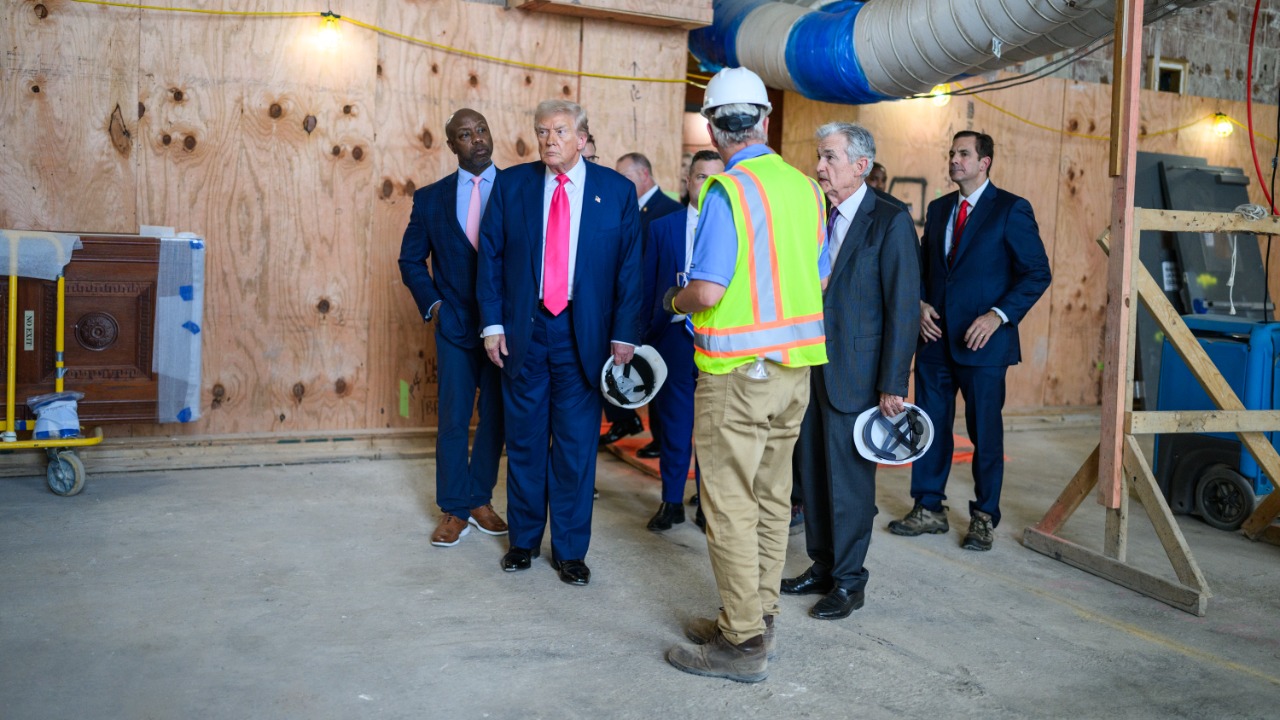
The public and political reactions to Trump’s comments have been varied and reflect the deep political divides in the country. Some political figures and media personalities have echoed Trump’s criticisms, arguing that the Fed’s policies are hindering economic growth. Others have defended Powell and the Fed, emphasizing the importance of maintaining an independent central bank free from political pressures.
Trump’s statements have the potential to influence upcoming elections and political dynamics. By framing economic policy as a key issue, Trump could mobilize his base and shape the narrative around economic performance and accountability. This incident fits into the broader narrative of Trump’s post-presidency influence, where his communication style continues to generate significant attention and controversy.
As the discourse around the Federal Reserve’s policies and Trump’s criticisms unfolds, it is essential to consider the broader implications for the U.S. economy and political landscape. The ongoing tension between political figures and independent institutions like the Fed underscores the challenges of navigating complex economic realities in a highly charged political environment.

Grant Mercer covers market dynamics, business trends, and the economic forces driving growth across industries. His analysis connects macro movements with real-world implications for investors, entrepreneurs, and professionals. Through his work at The Daily Overview, Grant helps readers understand how markets function and where opportunities may emerge.

