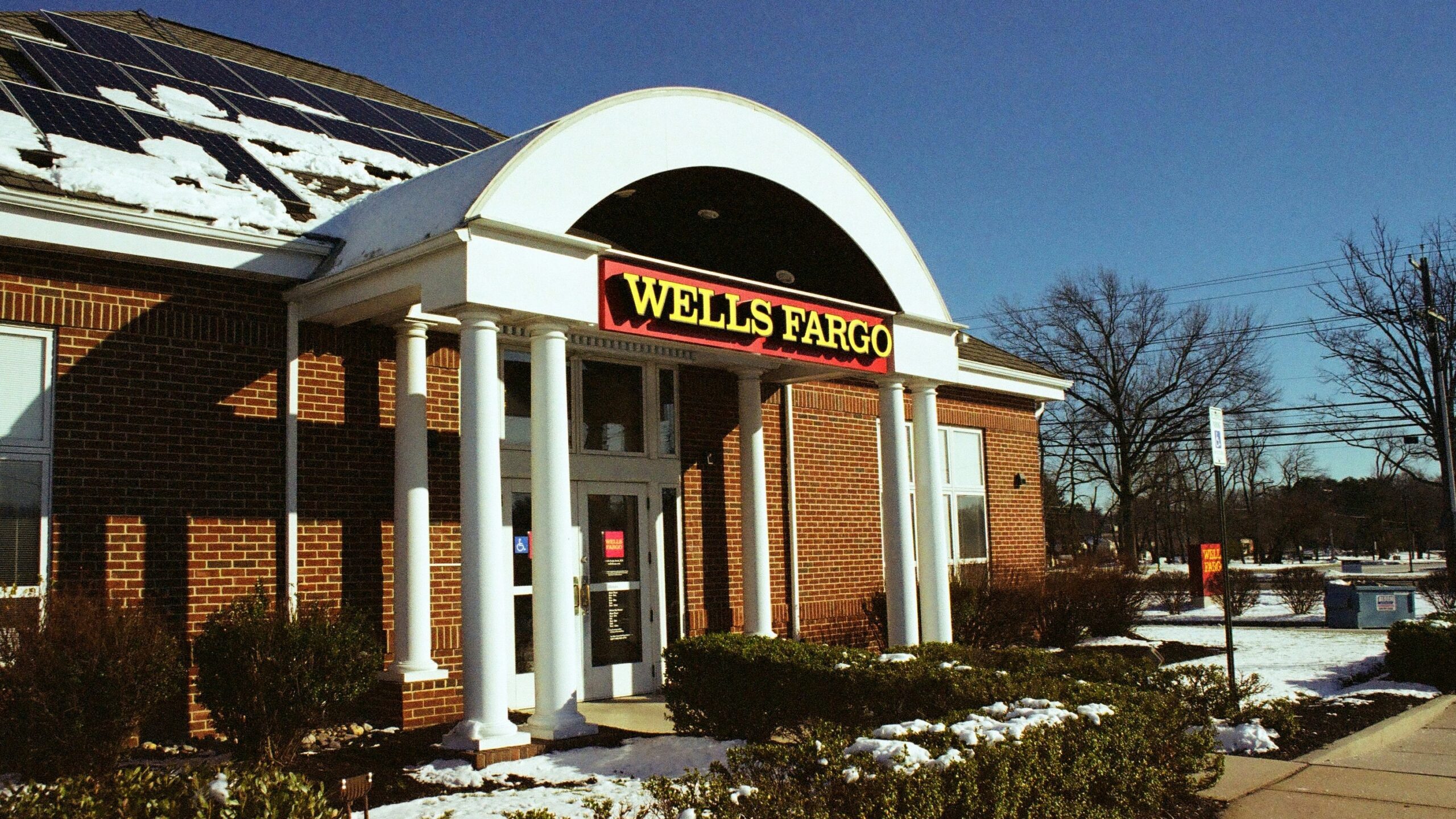
An elderly Texas grandmother who thought she had lost nearly all her savings to fraud has forced a rare about-face from one of the country’s biggest banks. After weeks of refusing to reimburse her, Wells Fargo returned roughly $15,000 to the 83-year-old only after television cameras and national coverage put a spotlight on her case.
Her win is more than a feel-good story. It exposes how vulnerable older customers can be when sophisticated scams collide with rigid bank policies, and how public pressure can sometimes succeed where private complaints fail.
How an 83-year-old lost nearly all her savings
The woman at the center of this fight is an Texas grandmother, 83, who had spent years building up a modest nest egg. According to her family, scammers convinced the 83-year-old that her money was at risk and manipulated her into authorizing transfers that drained her account. By the time she realized what had happened, nearly $15,000 was gone and the thieves had vanished.
Her relatives say two large transactions were at the heart of the loss. One transfer, for $14,952.52, was meant to pay off her car loan, a critical step for someone living on a fixed income. Instead, the money was diverted away from her account, leaving her without the funds she believed were safely parked at the bank. For an older customer with limited savings, that kind of hit is not an inconvenience, it is a financial emergency.
Wells Fargo’s initial refusal and the family’s paper trail
When the fraud came to light, the family turned to Wells Fargo for help, expecting the bank to treat the loss as a clear case of fraud. Instead, they were met with form letters and denials. Internal correspondence reviewed by the family showed the bank insisting that the disputed transfers were authorized and that its systems had worked as designed, even though an 83-year-old was telling them she had been manipulated by criminals.
In public accounts of the dispute, relatives described a months-long back and forth in which the bank repeatedly refused to reimburse the 83-year-old victim. The family argued that the pattern of transfers, the customer’s age and the sudden depletion of her account should have triggered more scrutiny. Instead, they say they were left to navigate a complex dispute process while their grandmother worried about how to pay basic bills without the savings she thought were secure.
Media scrutiny turns a private loss into a public fight
The stalemate only shifted when the story moved from private complaint to public controversy. Local television in Dallas highlighted how the bank’s decision had wiped out almost all of an elderly woman’s savings, and how her family’s appeals had gone nowhere. Once cameras were rolling and the story was broadcast, the case stopped being a quiet dispute in a call center queue and became a reputational problem for the bank.
National outlets quickly picked up on the narrative of a Texas grandmother, 83, who said Wells Fargo had “heartlessly” declined to make her whole after fraudsters ripped off about $15,000. The coverage framed the dispute as a test of how a major bank treats one of its most vulnerable customers, and it put the bank’s handling of elder fraud under a national microscope at a time when public trust in large financial institutions is already fragile.
The reversal: nearly $15,000 restored after public pressure
Once the story was on television and circulating online, the bank’s stance shifted with remarkable speed. Within days of the Dallas segment airing, Wells Fargo reversed its fraud decision and restored her savings. The bank returned nearly $15,000 to the 83-year-old, effectively conceding that its earlier refusal to reimburse her had been a mistake or at least unsustainable in the face of public scrutiny.
Separate coverage identified the customer as Billie Young, an 83-year-old Texas grandmother who had simply wanted to pay off her car and live out her retirement without debt. In later interviews, she described how the bank’s attitude “changed dramatically” once the cameras were involved, a shift echoed in reporting that noted how Wells Fargo returned the woman’s money after initially denying her fraud claims. For Young, the reversal meant she could finally exhale, but it also raised a pointed question: why did it take a media spotlight to get a result that should have come from the bank’s own review?
What this case reveals about banks, fraud and aging customers
From my perspective, the most troubling part of this saga is not the eventual reimbursement but the path it took to get there. An Eighty-three-year-old customer like Billie Young should not have to rely on viral outrage to be treated fairly when criminals target her account. The case suggests that, in practice, large banks may be more responsive to reputational risk than to the quiet suffering of individual customers, especially older ones who may not have the energy or savvy to fight back.
At the same time, the outcome shows how public attention can still serve as a powerful check on corporate behavior. Local coverage in Dallas and national reporting on the Texas grandmother turned a single disputed account into a broader conversation about how banks handle elder fraud. For every Billie Young who gets her $15,000 back after a media storm, there are likely many others whose stories never make it to air. That is the uncomfortable reality her victory exposes, and it is why her case will resonate far beyond one restored balance.
More From TheDailyOverview

Silas Redman writes about the structure of modern banking, financial regulations, and the rules that govern money movement. His work examines how institutions, policies, and compliance frameworks affect individuals and businesses alike. At The Daily Overview, Silas aims to help readers better understand the systems operating behind everyday financial decisions.