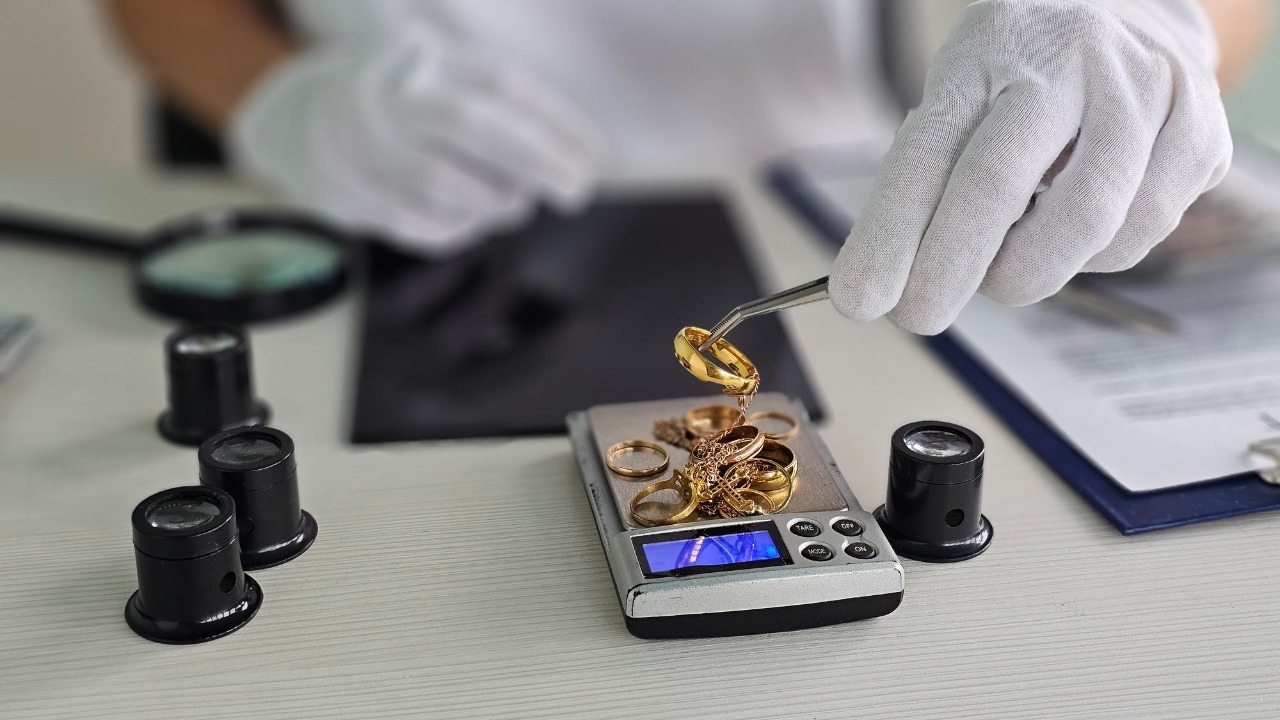
Estate jewelry can hold significant value, both monetarily and sentimentally. Unlocking its true worth requires a keen understanding of various factors that contribute to its appraisal. Delving into these essential clues can help determine the real value of estate jewelry.
Understanding Historical Context
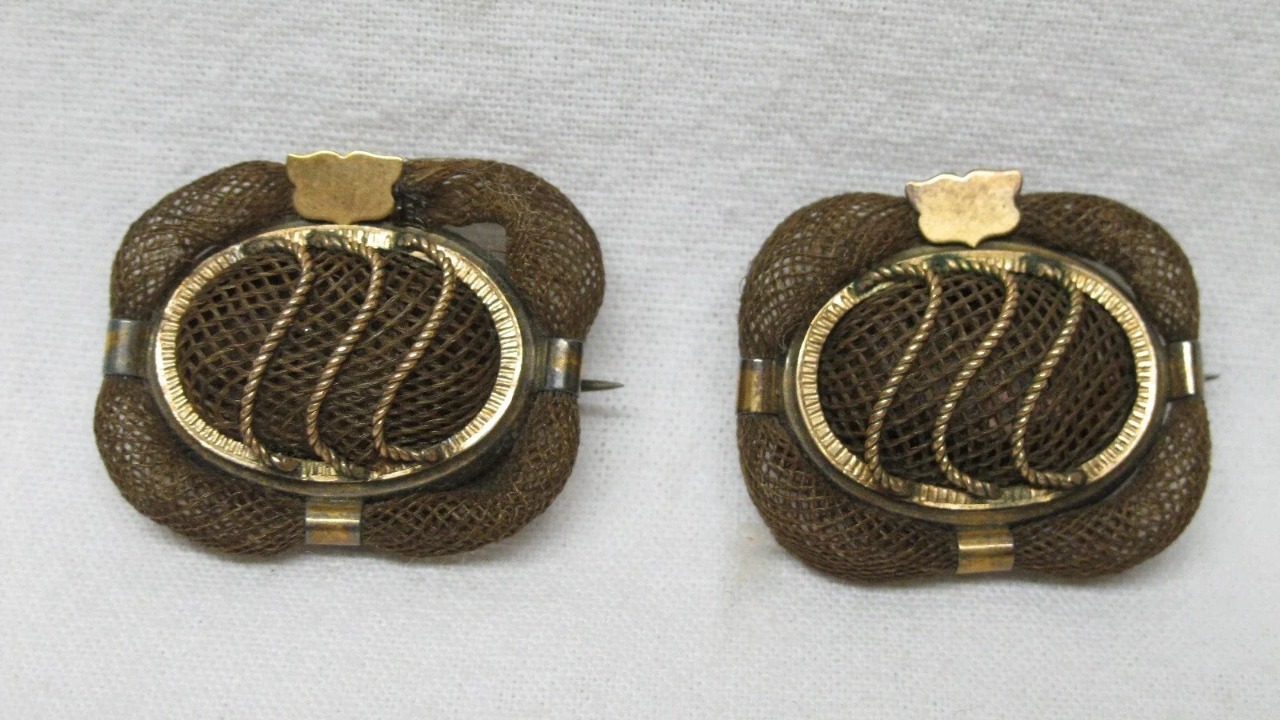
The historical context of a jewelry piece is a crucial factor in determining its value. Different jewelry periods, such as Art Deco and Victorian, carry unique styles and characteristics that significantly impact their worth. For instance, Art Deco pieces, known for their geometric shapes and bold colors, often fetch high prices due to their distinct design and the era’s fascination with luxury and modernity. Similarly, Victorian jewelry, with its intricate designs and romantic motifs, holds substantial value, especially when it features rare materials like mourning jewelry made from jet or hair.
Another vital aspect is recognizing the hallmarks and signatures on estate jewelry. These marks can provide significant insight into the origin and authenticity of a piece. For example, a hallmark from a renowned maker like Tiffany & Co. or Fabergé can substantially increase a piece’s value. Spotting these marks requires a trained eye, but they are essential for authenticating a piece’s history and craftsmanship.
Material and Craftsmanship Quality
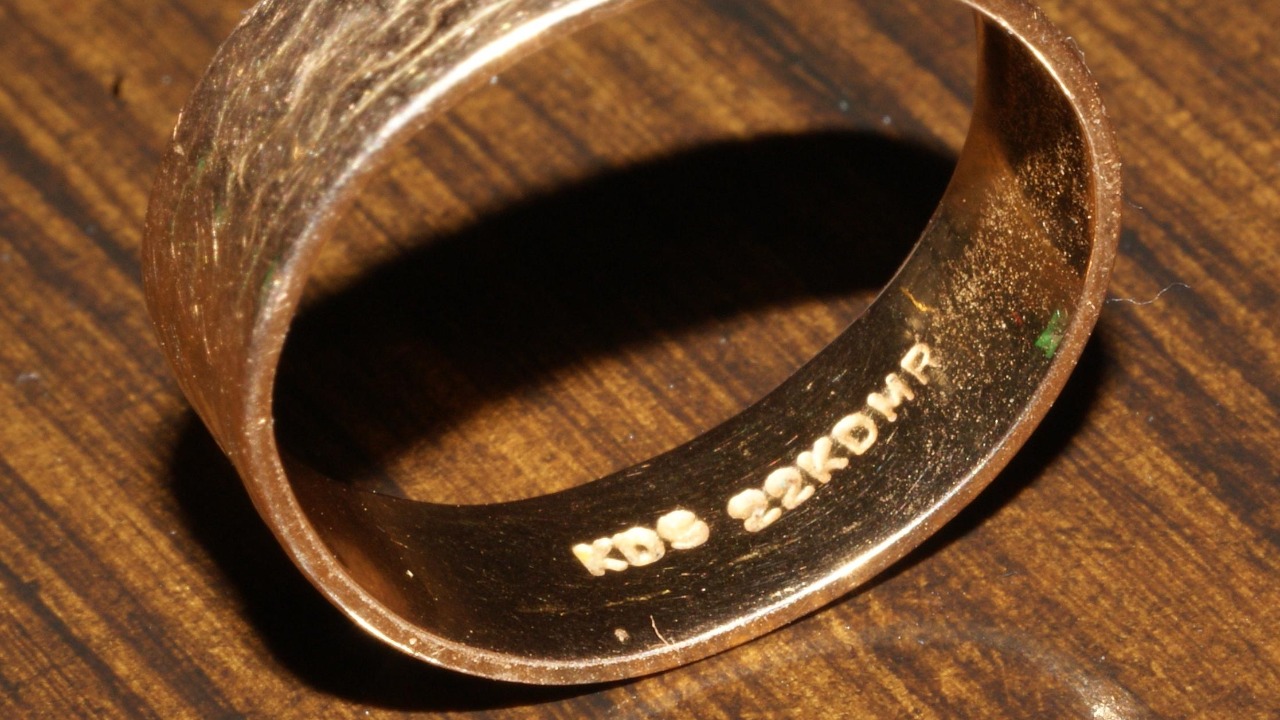
The quality of materials used in estate jewelry is another determinant of its value. Precious metals like gold, silver, and platinum are commonly found in these pieces, and their purity levels can dramatically affect worth. Gold, for instance, is often marked by karat levels, with 24-karat indicating pure gold. However, most jewelry is made with 18-karat or 14-karat gold, which balances durability and purity. Silver and platinum are also often marked with specific stamps indicating their purity, such as “925” for sterling silver.
Gemstones are another critical factor when appraising estate jewelry. The cut, clarity, and carat weight of a gemstone can significantly influence its value. For example, a flawless diamond with a high carat weight will naturally be valued more than a smaller diamond with visible inclusions. Additionally, the cut of the gemstone, whether it’s a brilliant round cut or a more unique marquise cut, can also impact its desirability and value.
Rarity and Uniqueness
Rarity and uniqueness are potent value drivers in the world of estate jewelry. Limited editions and bespoke designs are particularly sought after by collectors and enthusiasts. Pieces that were part of a limited production run or custom-made for a specific individual can command higher prices due to their exclusivity. An example could be a custom-designed ring by a famous designer for a celebrity or a piece that was part of a limited series by a renowned jeweler.
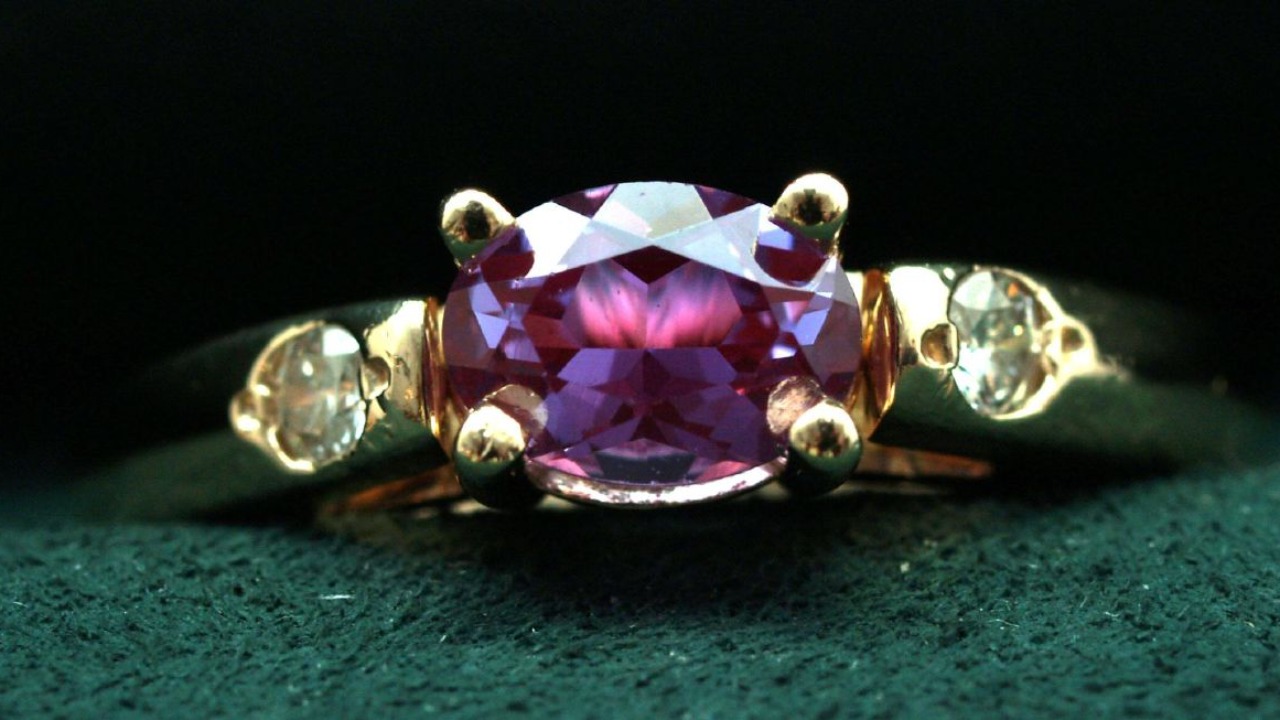
Uncommon gemstones and materials also add to a piece’s uniqueness and value. Unique gemstones like alexandrite or tanzanite, which are less commonly found in jewelry, can make a piece stand out in the market. Moreover, materials that are no longer commonly used, such as Bakelite or gutta-percha, often seen in vintage jewelry, can also enhance a piece’s appeal and price. Understanding these aspects can help potential buyers and sellers appreciate the full spectrum of what makes estate jewelry valuable.
Condition and Provenance
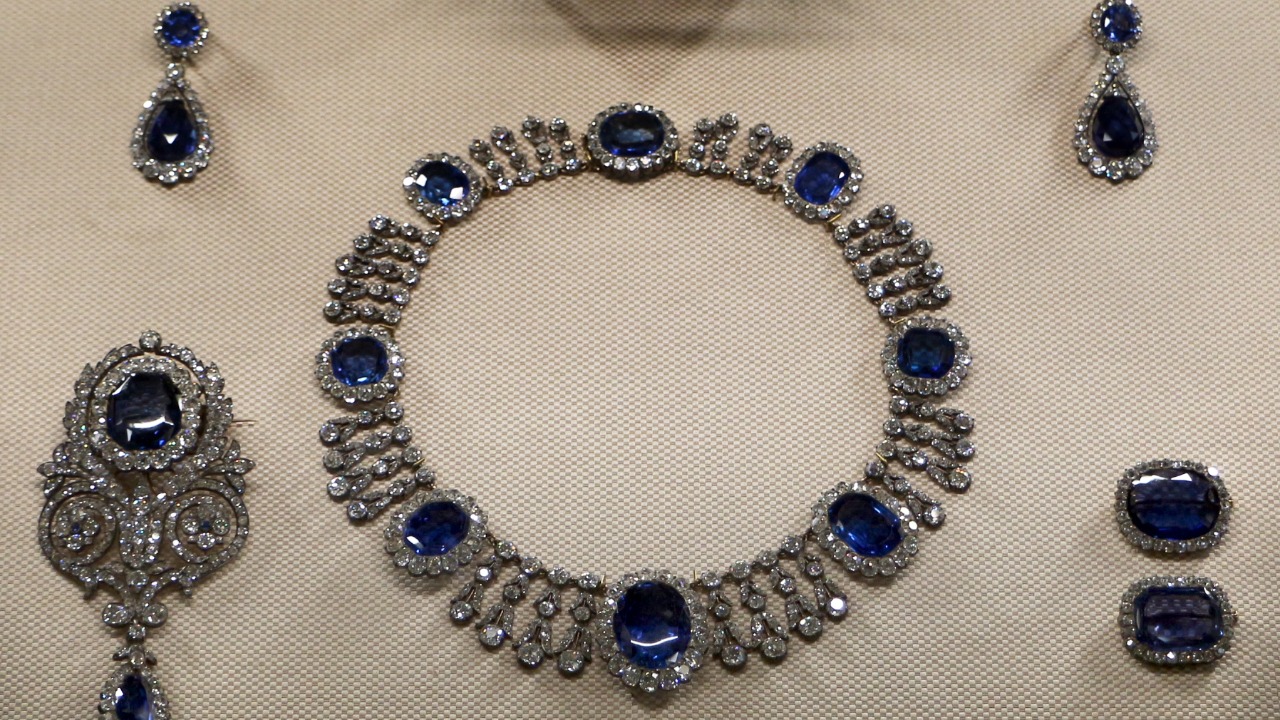
The condition of estate jewelry is a significant factor in its valuation. Pieces that have been well-maintained over the years or have undergone professional restoration retain more value than those showing significant wear and tear. Scratches, missing stones, or damaged settings can decrease a piece’s worth, so it’s essential to assess these factors carefully. However, some restorations can enhance value, especially if done by a skilled artisan adhering to original techniques.
Provenance, or the documented history of a piece, can greatly influence its desirability and value. Items with a well-documented history, such as those previously owned by celebrities or featured in significant historical events, are often more valuable. For example, a piece of jewelry from the estate of someone notable, like Elizabeth Taylor, can fetch a much higher price due to its provenance. Collectors value these stories, as they add a layer of allure and historical significance to the piece.
Market Demand and Trends
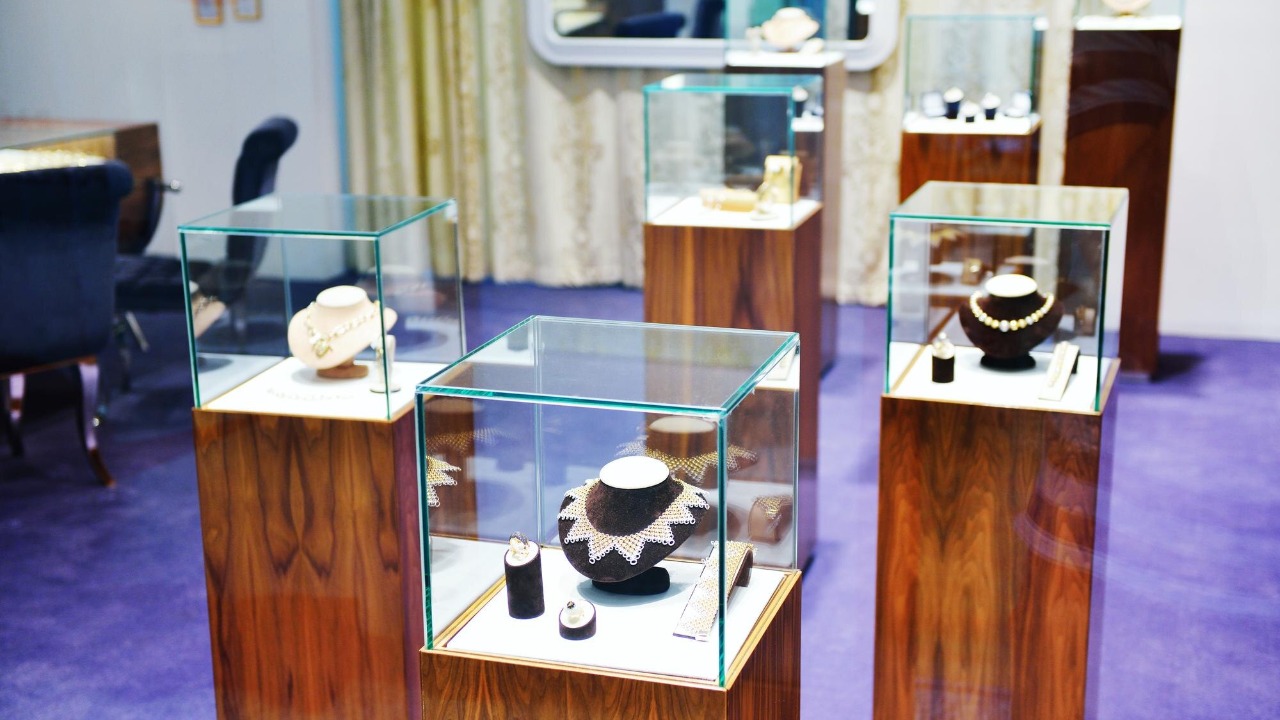
The fluctuating nature of market demand and trends plays a crucial role in determining estate jewelry’s value. Current trends can significantly influence what collectors and buyers seek in the market. For example, vintage styles are currently experiencing a resurgence, with pieces from the 1920s and 1930s in high demand. Keeping abreast of these trends can provide insights into potential investment opportunities or the right time to sell a particular piece.
Auctions and professional appraisals are instrumental in establishing fair market value. Auction results can provide a benchmark for what similar pieces are selling for, helping both buyers and sellers make informed decisions. Professional appraisals offer an objective evaluation of a piece’s worth based on its materials, craftsmanship, and other factors discussed earlier. Utilizing these resources can ensure that estate jewelry is appraised accurately, reflecting its true value in the market.

Cole Whitaker focuses on the fundamentals of money management, helping readers make smarter decisions around income, spending, saving, and long-term financial stability. His writing emphasizes clarity, discipline, and practical systems that work in real life. At The Daily Overview, Cole breaks down personal finance topics into straightforward guidance readers can apply immediately.

