
Hosting an estate sale can be a rewarding way to declutter and earn extra cash. Whether you’re downsizing, handling an inheritance, or simply clearing out space, having an effective strategy is crucial. Here are 11 strategies to ensure a successful estate sale.
1) Research the Market

Understanding the market is key to setting realistic expectations. Research similar sales in your area to gauge what items are in demand and what they’re selling for. Websites like Zillow can provide insights into local demographics and economic conditions, helping you tailor your sale to the right audience.
It’s also beneficial to visit estate sales in your community. This firsthand experience can offer valuable insights into pricing, item presentation, and customer preferences. Pay attention to what sells quickly and what lingers to better prepare your own sale.
2) Set a Clear Objective

Before diving into the logistics, define your primary goal. Are you aiming to maximize profits, or is your focus on clearing out items? Understanding your objective will guide your pricing and marketing strategies.
If your goal is to clear space, you may prioritize getting rid of items over maximizing revenue. Conversely, if profit is your aim, you’ll want to focus on pricing and marketing high-demand items effectively.
3) Organize and Declutter

Begin by sorting through items and deciding what will be sold. This step is crucial for a smooth sale. Categorize items into groups such as furniture, electronics, and collectibles to streamline pricing and presentation.
Decluttering not only simplifies the process but also makes the sale area more appealing to buyers. A well-organized space with clearly labeled sections can significantly enhance the shopping experience.
4) Price Items Appropriately

Pricing is an art that requires balancing fair value with buyer expectations. Use online resources such as Google Books to compare prices for similar items.
Consider the condition, rarity, and demand for each item when setting prices. Be prepared to adjust pricing during the sale to ensure items move, particularly if clearing space is your priority.
5) Advertise Effectively

Advertising is critical to attracting a crowd. Utilize local classifieds, community bulletin boards, and social media platforms to get the word out. High-quality photos and detailed descriptions can make your listings stand out.
Don’t underestimate the power of word-of-mouth. Inform neighbors and friends who can spread the news. Effective marketing can significantly boost turnout and sales.
6) Stage the Sale Area
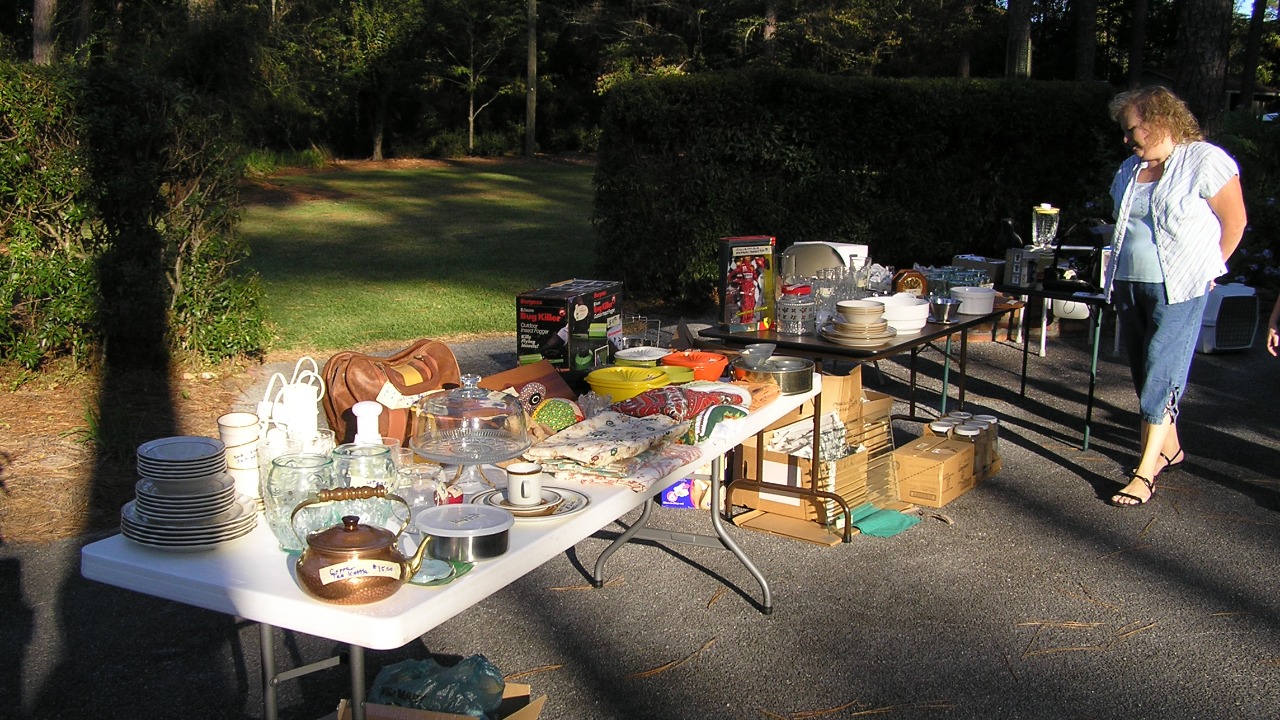
Staging involves arranging items to create an inviting shopping environment. Group similar items together and ensure everything is easily accessible. Use tables and shelving to display smaller items prominently.
Lighting is also crucial; ensure areas are well-lit to highlight items. A clean, organized, and visually appealing setup can enhance the shopping experience and encourage purchases.
7) Leverage Online Platforms

In today’s digital age, online platforms can significantly expand your reach. Consider listing high-value items on auction sites or marketplaces. Platforms like Facebook Marketplace and Craigslist can connect you with a wider audience.
For those with valuable or rare items, online auctions might be the way to go. Research platforms that specialize in estate sales to find the best fit for your needs.
8) Offer Discounts Strategically

Discounts can be a powerful tool to move inventory. Consider offering discounts on the final day of the sale to clear out remaining items. This strategy can attract bargain hunters and increase overall sales.
Be strategic with your discounts. Offering too much too early can diminish perceived value, while well-timed markdowns can stimulate interest and drive purchases.
9) Manage Payment Options

Offering multiple payment options can facilitate transactions and increase sales. In addition to cash, consider accepting mobile payments through apps like Venmo or PayPal.
Having a card reader on-site can also be beneficial, as many buyers may not carry cash. Ensuring a smooth payment process can enhance the buyer experience and encourage spending.
10) Provide Excellent Customer Service

Customer service plays a vital role in the success of an estate sale. Greet customers warmly, be available to answer questions, and assist with any inquiries. A positive experience can lead to repeat visits and recommendations.
Encourage potential buyers to explore the sale and provide assistance if needed. Happy customers are more likely to make purchases and spread the word about their positive experience.
11) Reflect and Learn from the Experience

After the sale, take time to reflect on what worked well and what could be improved. Consider factors such as item pricing, marketing strategies, and setup effectiveness. Use these insights to enhance future sales.
Consult resources like True Legacy Homes for additional tips and strategies. Continuous improvement is key to success in estate sales.

Cole Whitaker focuses on the fundamentals of money management, helping readers make smarter decisions around income, spending, saving, and long-term financial stability. His writing emphasizes clarity, discipline, and practical systems that work in real life. At The Daily Overview, Cole breaks down personal finance topics into straightforward guidance readers can apply immediately.

