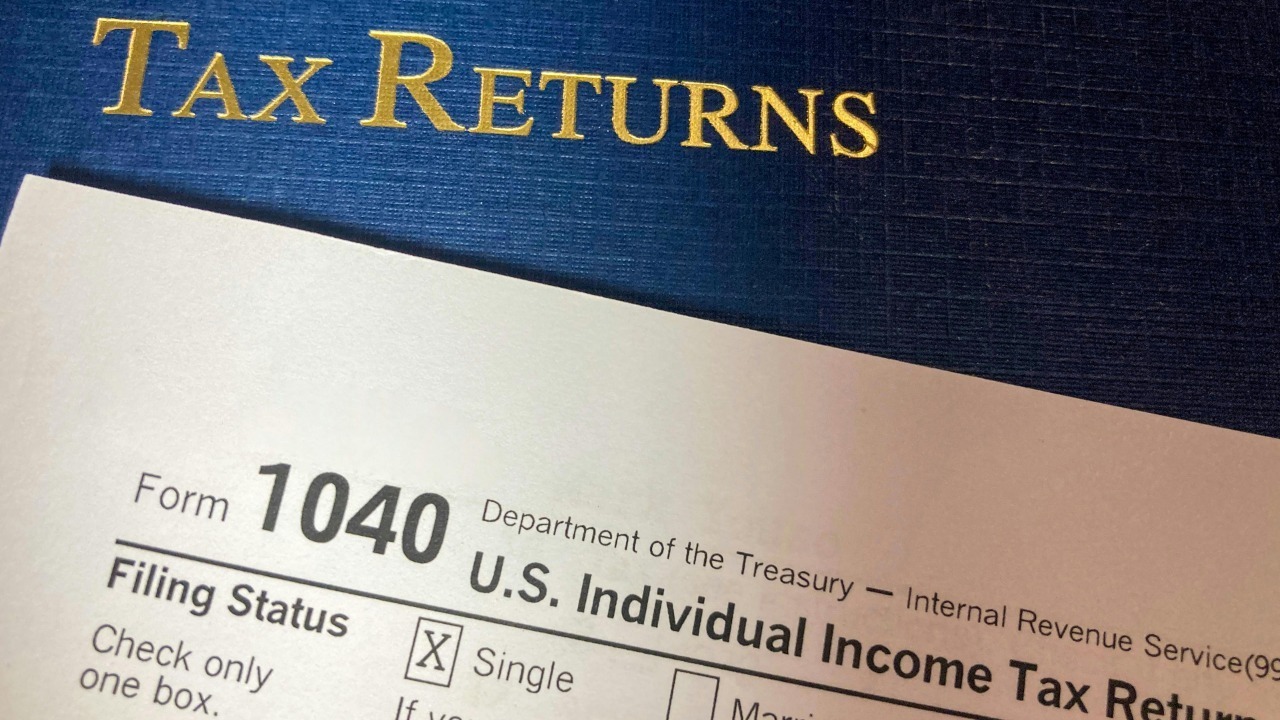
A new federal investigation is underway, targeting a lucrative tax loophole often exploited by wealthy individuals and corporations. This inquiry aims to scrutinize how this loophole functions, its implications on the tax system, and potential reforms to ensure a fairer tax landscape. As discussions unfold, the spotlight is firmly on how such loopholes impact economic equity and government revenue.
The Mechanics of the Wealthy Tax Loophole

The specific tax loophole under investigation has its roots in complex financial maneuvers that allow the wealthy to minimize their tax liabilities significantly. Often referred to as the “billionaire borrowing loophole,” this mechanism involves wealthy individuals borrowing against their assets, such as stocks or real estate, to access cash without triggering a taxable event. This loophole’s origins trace back to the broader financial deregulation era, which saw an increase in sophisticated tax avoidance strategies.
Common strategies employed by the affluent include creating offshore shell companies and using complex trusts. These tactics are designed to obscure the true ownership of assets and income, thereby reducing taxable income. Historically, attempts to address this loophole have met with limited success, often due to the influence of powerful lobbying groups and the intricate nature of the tax code. Despite previous efforts, the loophole persists, largely due to its deep integration into the financial strategies of those it benefits.
Economic and Social Implications

The impact of the tax loophole on income inequality is profound. By allowing the wealthy to significantly reduce their tax burden, the loophole exacerbates the wealth gap, placing additional strain on the middle class, who shoulder a more significant portion of the tax burden. This disparity not only fuels economic inequality but also limits upward mobility, as public resources become strained.
Furthermore, the loophole’s effect on government revenue cannot be overstated. With billions of dollars in potential tax revenue lost each year, public services such as education, healthcare, and infrastructure face chronic underfunding. The ethical considerations of tax avoidance, particularly among the ultra-wealthy, raise questions about fairness and social responsibility. Society increasingly views such practices as detrimental to the collective good, prompting calls for reform.
Federal Investigation: Objectives and Challenges
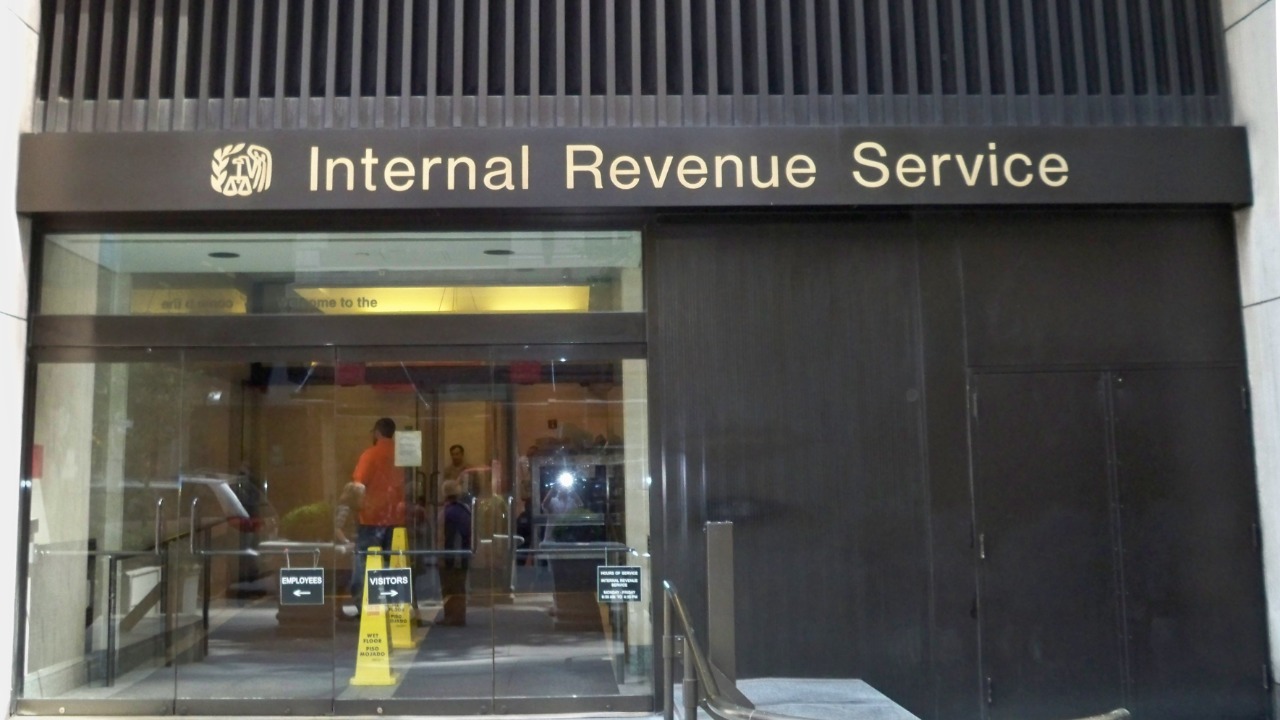
The current federal investigation aims to address these issues by closing the loophole and recovering lost revenue. Agencies such as the Internal Revenue Service (IRS) and the Department of Justice are leading the charge, focusing on enhancing enforcement measures and legislative reforms. The investigation’s primary goal is to ensure that the tax code is more progressive and equitable, thus restoring public confidence in the tax system.
However, investigators face significant challenges, including the complexity of the financial mechanisms involved and the resistance from powerful lobbying entities. Legal battles are anticipated as stakeholders defend their interests, potentially delaying reform efforts. Politically, the investigation could reshape the landscape of tax policy, influencing future legislative agendas and highlighting the need for a more transparent tax system.
Reactions from Stakeholders

The response from corporations and wealthy individuals benefiting from the loophole has been swift, with increased lobbying efforts to maintain the status quo. Companies like Pfizer and Merck have faced scrutiny over their use of similar tax strategies, highlighting the broader implications of the investigation. The corporate sector argues that closing the loophole could stifle economic growth and innovation, a claim that is often met with skepticism.
Tax reform advocates and economic experts, however, welcome the investigation. They argue that closing the loophole would strengthen the progressivity of the U.S. tax code, as detailed in a report by the Washington Center for Equitable Growth. Public opinion has also been increasingly critical of tax avoidance strategies, with media coverage playing a crucial role in shaping the narrative and increasing pressure for change.
Potential Outcomes and Future Implications

If the loophole is successfully closed, several scenarios could unfold. In the short term, the economy might experience adjustments as affected entities realign their financial strategies. However, the long-term effects could include a more equitable tax system and increased government revenue, which could be reinvested into public services.
The investigation’s outcomes could also set a precedent for future tax policy and regulatory enforcement. The role of international cooperation is crucial, as tax avoidance strategies often transcend national boundaries. By collaborating with other nations, the U.S. could lead efforts to address similar issues globally, ensuring a comprehensive approach to tax fairness.
The ongoing inquiry highlights the need for vigilance and reform in the pursuit of a fairer tax system. As the federal investigation progresses, its findings and implications will undoubtedly influence the broader dialogue on tax justice and economic equity.

Julian Harrow specializes in taxation, IRS rules, and compliance strategy. His work helps readers navigate complex tax codes, deadlines, and reporting requirements while identifying opportunities for efficiency and risk reduction. At The Daily Overview, Julian breaks down tax-related topics with precision and clarity, making a traditionally dense subject easier to understand.


