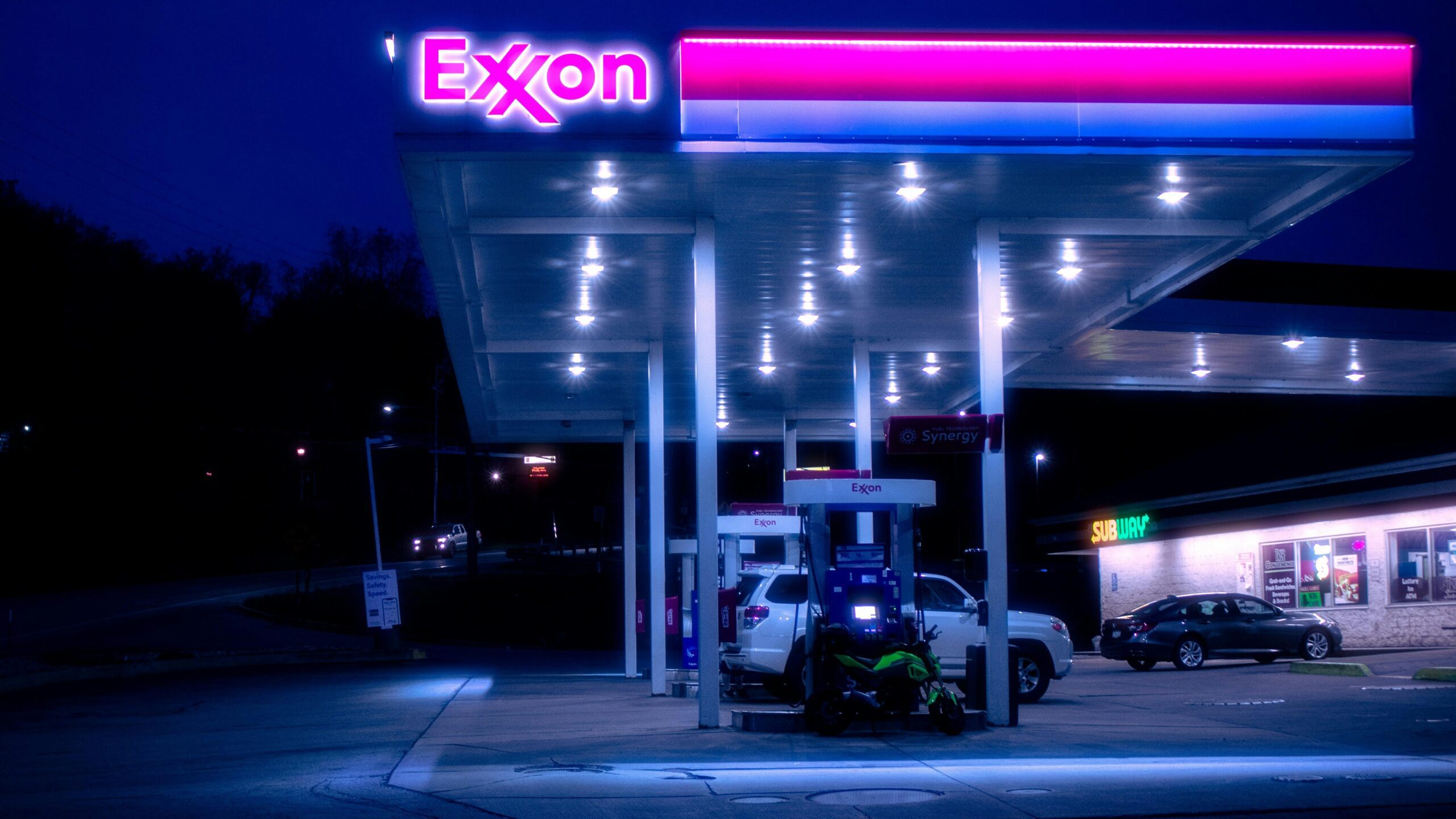
European Union policymakers are preparing to clamp down on methane leaks across the oil and gas supply chain, and one of the world’s biggest producers is sounding an alarm about the price tag. An Exxon executive has warned that the bloc’s new methane rules could lift refiners’ crude costs by 13 percent, a jump that would ultimately filter through to drivers, households, and heavy industry. The clash captures a familiar tension: how fast to move on climate when the immediate bill lands on consumers already squeezed by volatile energy prices.
At stake is not only the cost of a barrel of oil in Europe but the shape of the global energy transition. Methane is a powerful greenhouse gas with far greater short term warming potential than carbon dioxide, so regulators see rapid cuts as one of the quickest ways to slow temperature rises. The question is whether the European Union’s approach will simply burden refiners or whether it will also catalyze a new wave of technology and collaboration that ultimately lowers both emissions and long run costs.
The 13% warning and who is making it
The headline figure that refiners’ crude costs could rise by 13 percent comes from an Exxon executive who is directly engaged with European policy debates and whose company has major assets exposed to the rules. When a producer of Exxon’s scale signals that compliance will materially change the economics of supplying oil to European refineries, it is effectively warning that the region’s fuel market is about to be repriced. According to reporting on the company’s internal assessment, the estimate reflects the additional spending needed to monitor, detect, and repair methane leaks across the upstream and midstream infrastructure that feeds those refineries.
The executive’s background matters here, because it shapes how we should read the warning. Exxon is both a global oil and gas producer and a supplier to European refiners, so any regulation that tightens methane performance standards hits its operations on multiple fronts. The company has an incentive to stress the cost side of the ledger, particularly when speaking to policymakers who are sensitive to inflation and industrial competitiveness. Yet the same analysis implicitly acknowledges that methane leakage is a material, measurable problem in the supply chain, one that can be reduced with the right equipment and practices, even if Exxon argues the European Union is moving too far, too fast. That tension is captured in the company’s estimate that the new rules would add 13 percent to refiners’ oil costs, a figure cited in detailed coverage of the emerging European Union regime.
What the EU methane rules are trying to fix
To understand why Brussels is willing to risk higher near term costs, it helps to look at methane’s role in the climate system. Methane has a much higher warming impact than carbon dioxide over a 20 year period, which means cutting leaks from oil and gas operations can deliver relatively quick climate benefits compared with some other measures. European Union lawmakers have therefore focused on tightening standards for monitoring and repairing leaks, setting performance benchmarks for imported fuels, and requiring more transparent reporting from companies that move hydrocarbons into the bloc.
In practice, that means operators supplying the European market will need to deploy more advanced leak detection technologies, from continuous monitoring sensors on pipelines to regular aerial or satellite surveys of production fields. They will also face stricter timelines for fixing any leaks that are detected and may be required to phase out routine venting and flaring in favor of capture or reinjection. For refiners, the direct impact is less about changes inside the refinery gate and more about the cost of ensuring that every barrel they process has traveled through a cleaner, more tightly controlled upstream system. The European Union’s bet is that by setting a high bar for methane performance, it can leverage its market size to drive improvements not only in member states but in exporting countries as well.
How much of the cost reaches consumers
Even if one accepts Exxon’s 13 percent estimate at face value, the key question for households and businesses is how much of that increase will show up in final fuel prices. Refiners operate in a competitive market where margins can be thin, so they are likely to pass through a significant share of higher crude costs, especially if all suppliers face similar methane requirements. That could mean higher prices at the pump for drivers filling a Volkswagen Golf or a Renault Clio, as well as increased costs for airlines, shipping companies, and manufacturers that rely on diesel and other refined products.
However, the translation from crude costs to consumer prices is not one to one. Taxes, distribution costs, and global oil benchmarks all play a role in setting what motorists pay. If the European Union’s methane rules are phased in over several years, refiners and traders will have time to adjust their sourcing strategies, potentially favoring suppliers that can meet the standards more efficiently. I expect the immediate impact on retail prices to be noticeable but not catastrophic, more akin to the kind of fluctuation drivers already see when Brent crude moves by a few dollars per barrel. Over time, as methane control technologies become standard and cheaper, the incremental cost embedded in each liter of fuel is likely to shrink.
Innovation pressure and the risk of leakage
One of the most underappreciated aspects of tighter environmental rules is their ability to spur innovation, even in sectors that initially resist them. The United States shale boom offers a useful parallel: early regulations on water use and emissions were criticized as burdensome, yet they helped push operators toward more efficient drilling techniques and better recycling of fracking fluids. In the European context, stringent methane rules could create a powerful incentive for oil majors, service companies, and startups to collaborate on new detection and capture technologies, from machine learning tools that analyze sensor data to modular equipment that can be retrofitted onto existing wells and pipelines.
If that dynamic takes hold, I expect to see a measurable uptick in patent filings related to methane monitoring and abatement, as well as a growing market for specialized equipment providers. There is a plausible scenario in which, within five years, the cost of cutting methane leaks falls sharply as technologies scale and best practices spread, reducing overall refining expenses compared with a world where leaks continue unchecked and regulators respond later with even harsher measures. The main risk is that if the rules are poorly designed or enforced, some producers may simply redirect their lowest performing assets to markets with weaker standards, a form of regulatory leakage that would blunt the climate benefits while still raising costs for European consumers.
Global supply chains and the politics of climate costs
The European Union’s methane push will not play out in isolation. Oil and gas supply chains are global, and exporters from regions such as the United States, the Middle East, and Africa will have to decide whether to invest in meeting European standards or prioritize other markets. For companies with diversified portfolios, the most likely response is a mix: upgrading some assets to retain access to Europe’s high value customers while steering more polluting production toward buyers with looser rules. That creates a geopolitical dimension to what might otherwise look like a technical emissions policy, as governments weigh the benefits of climate leadership against the risk of losing influence over global energy flows.
More From The Daily Overview
*This article was researched with the help of AI, with human editors creating the final content.

Grant Mercer covers market dynamics, business trends, and the economic forces driving growth across industries. His analysis connects macro movements with real-world implications for investors, entrepreneurs, and professionals. Through his work at The Daily Overview, Grant helps readers understand how markets function and where opportunities may emerge.

