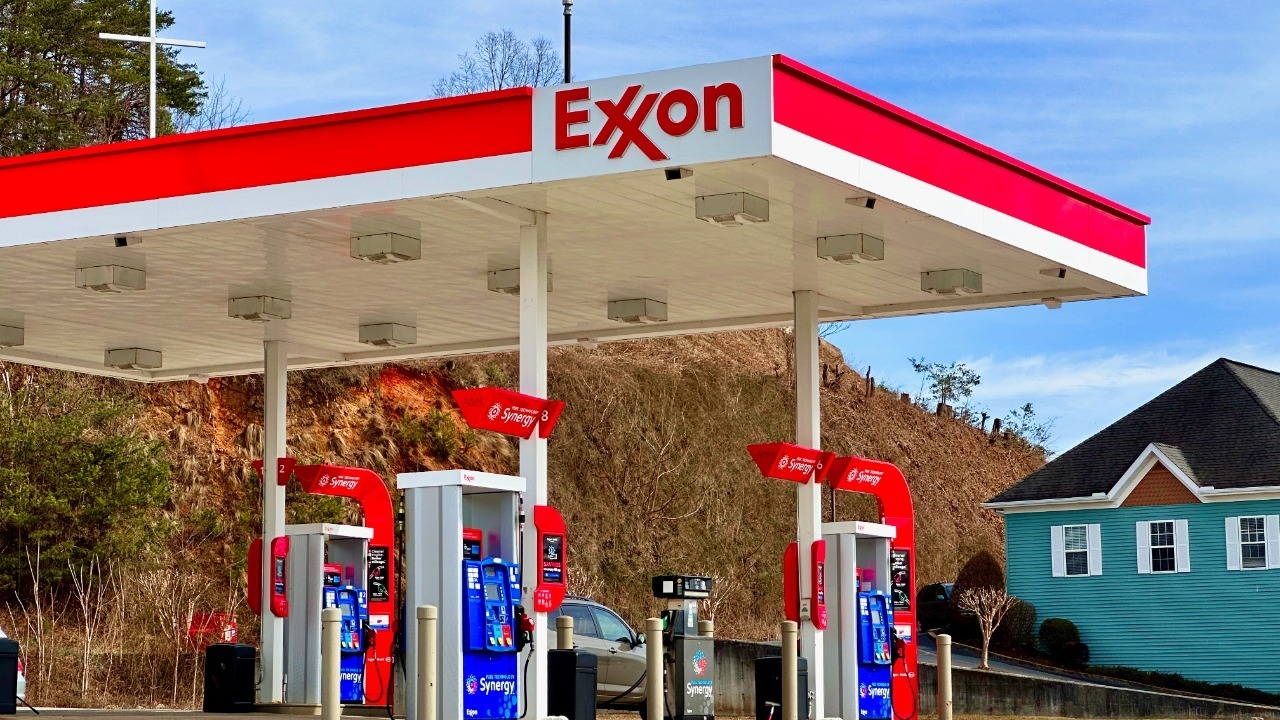
ExxonMobil is pressing the U.S. Supreme Court to force Cuban state entities to pay more than $1 billion in compensation for oil and gas assets seized during the Cuban Revolution, a claim rooted in a 1960 confiscation that has gone unresolved for over six decades. The case, which reached oral argument on February 23, 2026, tests whether Congress can override foreign sovereign immunity, letting American companies sue governments that profit from stolen property. A ruling in Exxon’s favor could open the floodgates for billions of dollars in similar claims against Cuba and reshape how U.S. courts handle disputes with foreign states.
From 1960 Seizure to Supreme Court Showdown
The roots of this fight stretch back to the early months of Fidel Castro’s government, when Cuba nationalized foreign‑owned industries across the island. Exxon’s predecessor, Standard Oil, lost refineries and other petroleum infrastructure in that wave of seizures. Nearly a decade later, the loss was formally recognized when the U.S. Foreign Claims Settlement Commission issued Decision No. CU‑0938 on Claim No. CU‑3838, certifying Exxon’s damages at $71,611,002.90 plus 6% annual interest from July 1, 1960, as documented on the commission’s Cuba claims docket. That interest clock has never been stopped by any settlement, helping explain why Exxon now values its claim at more than $1 billion.
For decades, the certified claim sat dormant because no legal mechanism existed to enforce it against Cuba or entities operating on the island. That changed when Congress enacted the Helms‑Burton Act in 1996, creating a private right of action in Title III that lets U.S. nationals sue anyone “trafficking” in confiscated Cuban property. Every president from Bill Clinton through most of Donald Trump’s first term suspended Title III enforcement, but the suspension ended in 2019. Exxon responded by suing Cuban state‑linked companies, alleging that entities such as Corporación Cimex, S.A. have been profiting from its expropriated refineries and related infrastructure. According to a detailed news report on the dispute, the company pegs its current damages at over $280 million in principal plus decades of interest, adding up to a potential judgment exceeding $1 billion.
The Sovereign Immunity Question at the Heart of the Case
The legal battle turns on a collision between two federal statutes. The Foreign Sovereign Immunities Act, codified in chapter 97 of Title 28, generally shields foreign governments and their instrumentalities from lawsuits in American courts. It carves out exceptions for commercial activity and for certain expropriation claims, but the lower courts concluded that Exxon’s lawsuit against the Cuban defendants did not fit neatly within those exceptions. In their view, the case involved a sovereign’s historic taking of property within its own territory, intertwined with state policy, and therefore remained protected by immunity absent a clear statutory basis to do otherwise.
Exxon argues that Congress supplied exactly that basis in Helms‑Burton. In the company’s view, Title III was meant to operate as a self‑executing override of sovereign immunity for trafficking in confiscated property, so plaintiffs need not wedge their cases into the Foreign Sovereign Immunities Act’s narrow exceptions. In its February 4, 2026 reply brief, Exxon warns that the decision below “would effectively negate suits that Congress authorized, thereby compromising a mechanism that Congress and the Executive Branch have relied on as a tool of national security.” That framing portrays Title III not merely as a private remedy but as part of a broader sanctions architecture aimed at pressuring Havana over unresolved property claims and human rights concerns.
A Rapid Path Through the Supreme Court
The Supreme Court moved with notable speed once the case arrived. According to the official docket for No. 24‑699, Exxon filed its petition on December 31, 2024, and the justices granted review on October 3, 2025. The Court set an accelerated briefing schedule, with merits briefs due in late November 2025 and early January 2026, and scheduled oral argument for February 23, 2026. That timeline underscores the Court’s recognition that the case raises a significant and unresolved question about how two cornerstone statutes (the FSIA and Helms‑Burton) interact when U.S. nationals seek to recover for Cold War‑era expropriations.
The audio and transcript of the argument offer the first direct window into how the justices are weighing those competing frameworks. Several justices pressed counsel on whether Congress clearly expressed an intent to displace sovereign immunity in Title III, or whether plaintiffs must first show that their claims satisfy one of the FSIA’s enumerated exceptions. Others probed the foreign‑policy stakes, asking whether allowing suits like Exxon’s might complicate U.S. diplomacy or invite reciprocal litigation abroad. The answers to those questions will determine not only whether Exxon may proceed, but also how far federal courts can go in adjudicating disputes that sit at the intersection of private rights and international relations.
What a Ruling Could Mean Beyond Exxon
Exxon’s case does not exist in isolation. A briefing by congressional researchers estimates that more than $1.9 billion in certified claims from two U.S. programs covering Cuban expropriations remain unpaid. Those claims belong to dozens of American individuals and companies whose assets, from sugar plantations and factories to hotels and oil facilities, were confiscated in the early 1960s. If the Supreme Court accepts Exxon’s reading of Helms‑Burton, it would effectively validate Title III as a powerful enforcement tool, giving those claimants a viable path to seek compensation from entities that use or benefit from their former property.
The ripple effects could reach well beyond the energy sector. According to a summary of related litigation, Cuban‑linked tourism and shipping operations have already drawn lawsuits from U.S. nationals under Title III, including cases involving major cruise operators that used Havana port facilities tied to expropriated assets. A decision confirming that sovereign immunity does not bar such suits would embolden additional plaintiffs and could expose a broad range of foreign and Cuban entities, from hotel chains to joint‑venture partners, to substantial liability. Conversely, a ruling that Title III must yield to the FSIA’s default protections would sharply limit the statute’s reach and likely leave most certified claims to be resolved, if at all, through diplomatic channels rather than in U.S. courts.
More From The Daily Overview
*This article was researched with the help of AI, with human editors creating the final content.

Grant Mercer covers market dynamics, business trends, and the economic forces driving growth across industries. His analysis connects macro movements with real-world implications for investors, entrepreneurs, and professionals. Through his work at The Daily Overview, Grant helps readers understand how markets function and where opportunities may emerge.