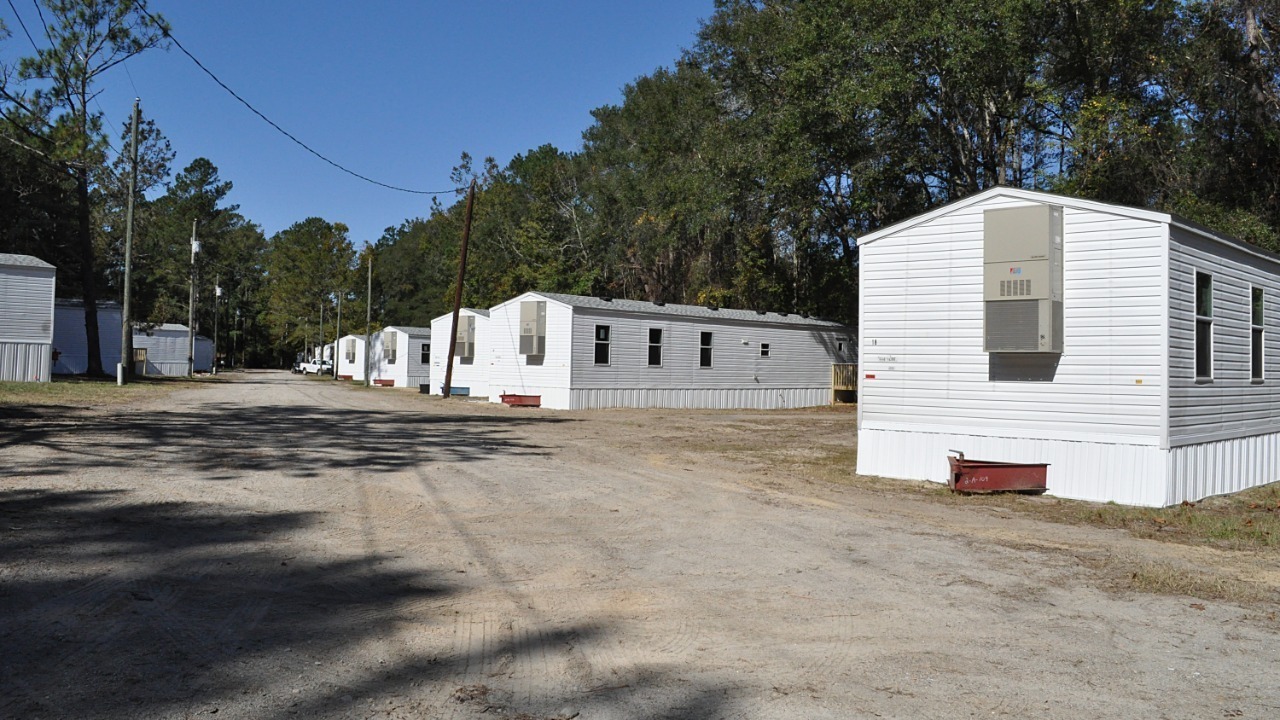
In the mountains of Western North Carolina, families who survived Tropical Storm Helene are now bracing for a different kind of disaster, as temporary federal housing that once felt like a lifeline is turning into a looming eviction notice. Parents who rebuilt their routines around government-issued trailers and leased apartments are being told, sometimes with only days of warning, that they must leave or start paying market-level costs they cannot afford. The scramble to find a safe place to go is colliding with a tight housing market, winter weather and a complex web of federal and state recovery programs.
At the center of the crisis are households that moved into units provided through FEMA’s Individuals and Households Program after Helene tore through Western North Carolina in 2024. Many of those residents say they believed they had more time, only to learn that recertifications, hard deadlines and steep rent demands could push them out far sooner than expected. Their stories reveal how a system designed for short-term relief can leave long-term survivors feeling blindsided.
Families blindsided by sudden deadlines and steep charges
Residents in several mountain communities describe a jarring shift from stability to panic as they receive notices that their FEMA homes are no longer guaranteed. In televised coverage labeled NOW PLAYING ABOVE, Families say they were told of impending move-out dates with little time to line up alternatives. One woman recounted being informed that she had until one o’clock the next day to vacate, and that if she stayed past that deadline she would be charged $3,000 a month, a figure that instantly put the unit out of reach for a household still recovering from storm losses.
Another resident said Jan that part of the program allowed FEMA to transition from covering the full cost of housing to charging rent, even as families were still searching for permanent homes. In video interviews, Families in Western North Carolina describe being forced to vacate homes provided by FEMA after storm Helene, saying the notices came just as they were beginning to feel settled. I see in those accounts a pattern of communication gaps that leave survivors feeling that the rules are shifting under their feet.
Helene’s long shadow over Western North Carolina
The current housing crunch cannot be separated from the scale of damage Tropical Storm Helene inflicted on Western North Carolina in 2024. The storm destroyed or severely damaged homes across mountain counties, pushing thousands into hotels, trailers and borrowed rooms while they waited for assessments and aid. State officials later created a dedicated single-family housing program for homeowners in Western North Carolina impacted by Tropical Storm Helene, acknowledging that rebuilding would take years, not months.
That state effort, part of the broader Renew NC recovery push, runs alongside FEMA’s temporary housing aid but operates on a different timeline. The Program Application Deadline for the Single Family Housing Program into 2026 is meant to give homeowners more time to apply for repairs or reconstruction. Yet for renters and for owners still waiting in line, the expiration of FEMA units is arriving faster than bricks and mortar can be laid, which is why the current wave of evictions feels, to many, like Helene’s second hit.
FEMA’s ticking clock and confusing recertifications
Behind the eviction notices is a federal clock that has been counting down since Helene. FEMA’s own FAQ on Preparing for the explains that its Individuals and Households Program is scheduled to end on February 28, 2026, unless a decision is made to extend it for an additional 12 months. That structure is designed to keep disaster aid temporary, but on the ground it translates into periodic recertifications and hard cutoffs that can feel arbitrary to families who are still living amid construction debris.
One woman told reporters that She had been informed FMA was coming Tuesday to do a recertification of her home, a visit that would determine whether she could stay longer. According to follow-up reporting, that recertification “didn’t go well,” and her future in the unit remained uncertain. When I look at that account alongside FEMA’s formal description of its Individuals and Households, the gap between policy language and lived experience is stark: what reads as a routine eligibility review on paper can feel like a surprise eviction hearing to the person on the doorstep.
Buncombe County and the scale of the looming loss
Nowhere is the scale of the problem clearer than in Buncombe County, which includes Asheville and many of the hardest-hit Helene communities. Local officials have warned that the region is just months away from the end of FEMA housing help for Helen survivors, and that as the deadline approaches, the number of families still in need remains high. In one briefing, they noted that the county was a little more than five months from the cutoff and still working to transition residents into longer term options, a timeline that now feels even tighter as winter sets in.
Advocates have put hard numbers to that anxiety. In a detailed warning, one organizer said, Even knowing the forecast and everything else they said FEMA was so far refusing to budge. Hickman said that, In Buncombe County specifically, 800 families could lose FEMA housing aid as a winter storm loomed. When I weigh that figure against the limited stock of affordable rentals in Asheville and surrounding towns, it is hard to see how the private market can absorb that many displaced households at once.
Individual battles in a strained housing market
Beyond the aggregate numbers, individual cases show how fragile the safety net can be. In one widely shared story, an Asheville woman said she was just days away from being homeless, even though she had a lease on her apartment. She claimed FEMA was telling her to get out despite that lease, leaving her to navigate a dispute between a federal program and a private landlord while her own housing security hung in the balance. Her experience mirrors what I have heard from other tenants who say they signed paperwork in good faith, only to discover that the underlying FEMA support could be withdrawn on short notice.
Video reports from Families in North Carolina show parents packing boxes into cars with no clear destination, children asking whether they will have to change schools again, and neighbors trading tips on shelters and churches that might help. Earlier coverage of how Buncombe County was making progress as FEMA housing aid for Helen survivors wound down highlighted local efforts to build new units and repair damaged homes, but those projects are still catching up to the need. In that gap, the threat of eviction is not just a legal notice, it is a daily calculation about whether to pay for storage, gas, or a motel room.
More From TheDailyOverview

Elias Broderick specializes in residential and commercial real estate, with a focus on market cycles, property fundamentals, and investment strategy. His writing translates complex housing and development trends into clear insights for both new and experienced investors. At The Daily Overview, Elias explores how real estate fits into long-term wealth planning.