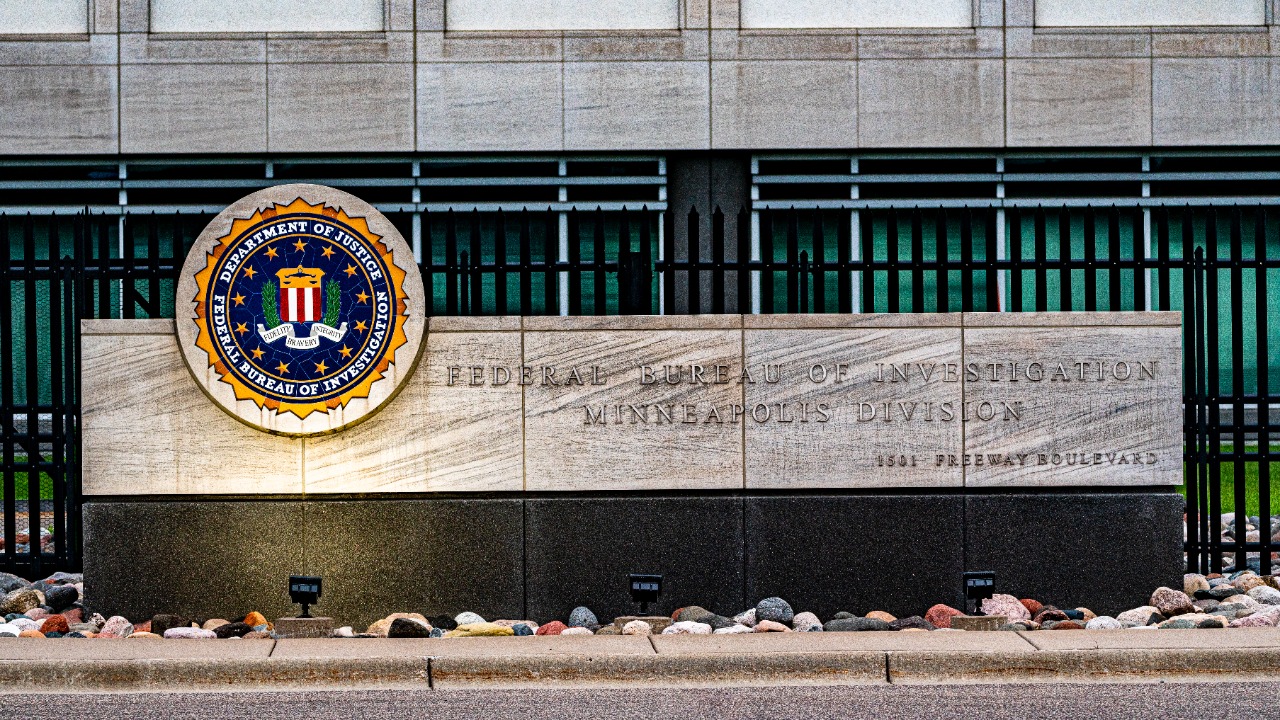
Cybercriminals are no longer waiting for you to click a sketchy link in an email; they are calling your phone, sounding exactly like your bank, and walking you step by step into draining your own account. In 2025, that tactic has already stripped victims of $262 million, according to federal warnings, turning routine “fraud alert” calls into one of the most lucrative forms of digital theft. The scam is spreading fast because it exploits trust in familiar institutions and tools people think are keeping them safe, from multi‑factor authentication to mobile banking apps.
Instead of hacking bank systems, the criminals are hacking people, using social engineering and artificial intelligence to impersonate financial institution staff and pressure targets into handing over everything they need. I see this as the next phase of account takeover fraud: a blend of old‑school phone cons and cutting‑edge tech that can fool even cautious customers if they are caught off guard for just a few minutes.
How the “bank on the phone” con actually works
At the center of the new wave of fraud is a simple script: a call or text that appears to come from your bank, warning of suspicious activity and offering to help fix it. The Federal Bureau of Investigation has described how criminals pose as financial institution support staff, often spoofing caller ID so the number matches the one on the back of your debit card, then walk victims through fake “security checks” that are really a way to capture login credentials and one‑time passcodes. In its public alerts, The FBI labels this pattern “Account Takeover Fraud via Impersonation of Financial Institution Support,” underscoring that the goal is not a one‑off purchase but full control of the account.
Once the caller has convinced the target that they are dealing with a real bank representative, the manipulation deepens. According to detailed warnings, the impostors will claim they need to “verify” the customer’s identity or “reverse” a bogus charge, then instruct the victim to share multi‑factor authentication codes, approve push notifications, or even move money into a so‑called “safe” account that the criminal actually controls. One advisory explains that They will convince the target to initiate wire transfers or unauthorized withdrawals or transfers, which are then quickly laundered through additional accounts or used for fraudulent purchases, including for firearms.
AI makes the fake banker sound real
What makes this year’s version of the scam so dangerous is not just the script but the technology behind it. Cybercriminals are now using artificial intelligence to clone voices, generate convincing dialogue, and even mimic the tone and cadence of real bank employees, which can make a call feel eerily legitimate. In one recent warning out of $262 million in reported losses, officials described how Cybercriminals deploy AI tools to sound polished and professional while coaxing victims to provide login and password information, along with the one‑time codes that are supposed to protect those accounts.
These AI‑powered calls do not happen in a vacuum. The same criminals often scrape social media and data broker sites to gather personal details that make their impersonation even more convincing, from the last four digits of a card to the names of family members. Consumer guidance tied to the Federal Bureau of Investigation’s latest alerts notes that Sharing your pet’s name, date of birth or information about your first car can give scammers the raw material they need to guess security questions or craft believable pretexts, which is why one advisory bluntly warns, How you present your life online can directly affect how easy it is to target you.
From fake fraud alerts to full account takeover
Once criminals have enough information, the line between a single fraudulent transaction and a full account hijack disappears. The FBI has described a growing wave of ATO, or account takeover, in which impostors not only drain checking and savings balances but also change contact details, open new lines of credit, and lock the real customer out of their own profile. In a recent public briefing, The FBI described how criminals posing as bank staff use high‑pressure tactics, including threats that accounts will be frozen or that law enforcement is already involved, to push victims into cooperating before they have time to think.
Once the victim complies, the damage can be swift and brutal. Federal officials have warned that cyber criminals can access your bank account and steal money in ways that are hard to trace and recover, particularly when funds are routed through cryptocurrency exchanges or overseas accounts. One regional alert stressed that The FBI is warning the public about a new scam in which cyber criminals could empty your bank account and move the proceeds beyond the reach of traditional recovery tools in a matter of minutes.
Why 2025’s losses are so steep
The sheer scale of the money lost this year reflects how well the scam maps onto everyday banking habits. People are used to getting automated fraud alerts, tapping “approve” on mobile notifications, and talking to customer service on the phone, which means the criminals are not asking victims to do anything that feels obviously risky. When I look at the pattern described in federal complaints, it is clear that the con works because it rides on top of legitimate security processes, turning tools like one‑time passcodes into weapons against the very people they are meant to protect. The Internet Crime Complaint Center, or IC3, has been collecting these reports and publishing trend data through its main portal at Internet Crime Complaint Center (IC3), which investigators then use to refine public warnings.
Holiday timing has also amplified the impact. Over the 2025 holiday season, more people are shopping online, juggling deliveries, and responding to a flood of emails and texts, which creates the perfect cover for fake alerts about declined payments or suspicious charges. In one seasonal advisory, The FBI urged shoppers not to click any suspicious links and to use credit cards for items you buy online, noting that credit products often have stronger fraud protections than debit cards that pull directly from checking accounts.
How to protect yourself when the “bank” calls
Defending against this kind of fraud starts with a simple mental reset: assume that any unsolicited contact about your money could be fake, no matter how convincing the caller sounds. Security experts advising on these cases consistently recommend that if you receive a call, text, or email claiming to be from your bank, you should hang up or ignore the message, then contact the institution using the number on the back of your card or through its official app. One detailed consumer guide tied to the Federal Bureau of Investigation’s alerts explains that The Federal Bureau of Investigation is urging people to treat any request for multi‑factor codes, remote access to a device, or immediate wire transfers as a red flag, even if the caller ID looks legitimate.
On the technical side, there are concrete steps that make you a harder target. Strong, unique passwords for each financial account, stored in a reputable password manager, limit the damage if one login is compromised, and enabling app‑based authentication instead of SMS codes can reduce the risk that a criminal intercepts or tricks you into sharing a texted code. One practical checklist on avoiding the banking scam that has wiped out hundreds of millions of dollars advises customers to keep software updated, review statements regularly, and use strong, unique passwords, with the reminder that Dec guidance from investigators is clear that basic digital hygiene still matters even in an era of AI‑driven scams.
What to do if you are caught in the scam
Even with precautions, some people will still get hooked by a well‑timed, well‑crafted call, and what happens in the first few minutes afterward can determine how much money is ultimately lost. If you realize you have shared credentials or codes with a suspected impostor, the first move is to contact your bank directly, using a trusted number, and ask them to freeze or monitor the affected accounts. At the same time, you should change passwords, revoke any suspicious devices or sessions from your online banking profile, and, if you granted remote access to your phone or computer, uninstall the relevant software and run a security scan. Federal officials stress that speed is critical because criminals often move stolen funds through multiple accounts within hours.
Reporting the incident is just as important as trying to claw back the money. Victims are urged to file a complaint with the Internet Crime Complaint Center so investigators can track patterns, connect related cases, and refine their outreach. The main reporting portal at IC3 walks users through the information to provide, from transaction details to phone numbers and email addresses used by the scammers. While not every dollar will be recovered, those reports feed into the broader picture that allowed authorities to identify the $262 million in losses tied to AI‑powered bank impersonation scams this year, and they help shape the next round of warnings before the criminals shift tactics again.
More From TheDailyOverview
- Tennessee loses $2.6B megafactory and faces major layoffs
- Retired But Want To Work? Try These 18 Jobs for Seniors That Pay Weekly
- What to do with your pennies after the U.S. stops minting them
- Home Depot CEO warns of a troubling customer trend in stores

Grant Mercer covers market dynamics, business trends, and the economic forces driving growth across industries. His analysis connects macro movements with real-world implications for investors, entrepreneurs, and professionals. Through his work at The Daily Overview, Grant helps readers understand how markets function and where opportunities may emerge.