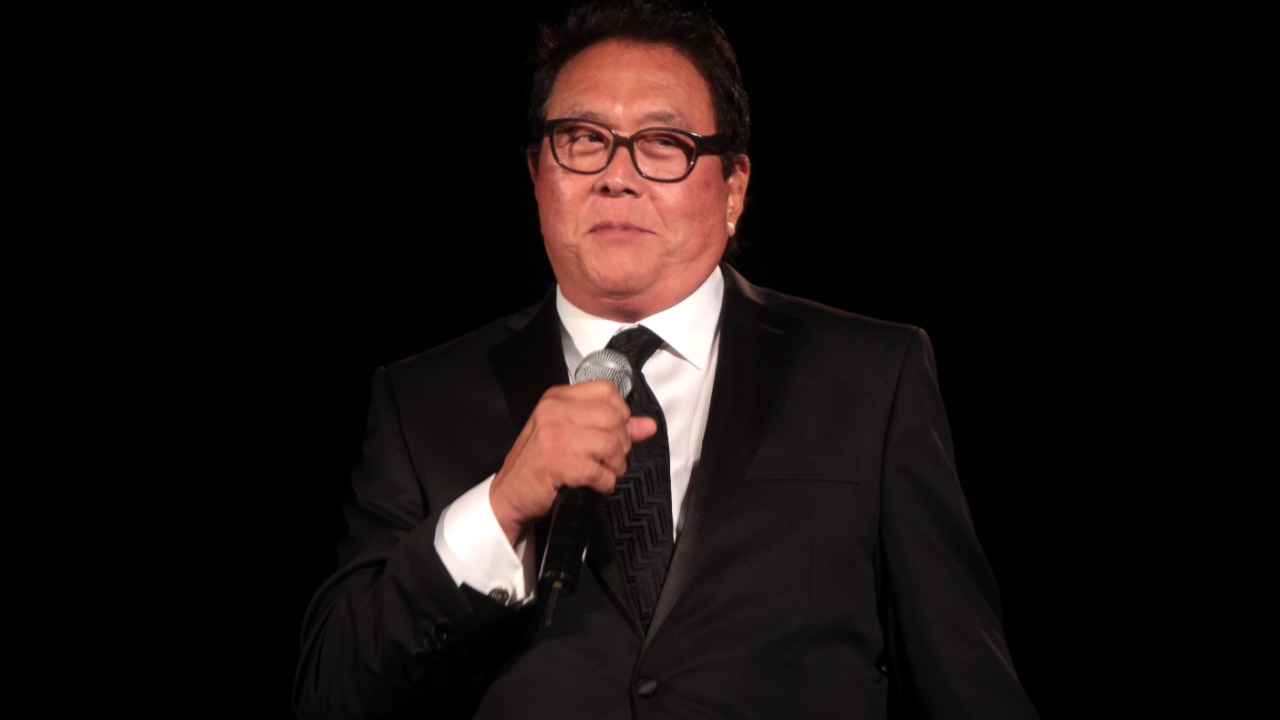
Robert Kiyosaki is again sounding an alarm that cuts against the market’s usual optimism, arguing that the “biggest crash in history” is no longer a distant risk but a process already unfolding. His message is stark, warning that millions of ordinary investors could “lose everything” while a prepared minority uses the turmoil to reposition into assets he believes will survive the fallout.
Rather than treating this as a one-off outburst, I see his latest warnings as the culmination of a long-running thesis about debt, inflation and financial education that has defined his work since Rich Dad Poor Dad. The question now is not whether Kiyosaki is dramatic, but how his current calls fit into his track record and what his preferred playbook means for people trying to navigate a fragile market.
Kiyosaki’s crash call moves from “coming” to “starting now”
Robert Kiyosaki has been predicting a severe downturn for years, but his language has shifted from caution about what might happen to conviction that the collapse is already underway. Earlier this year he framed it as the “biggest crash in history,” warning that millions of investors could be wiped out as inflated asset prices finally collide with economic reality, a view he has repeated while saying that “millions will lose everything” if they stay fully exposed to conventional portfolios. In his telling, the combination of high leverage, speculative valuations and policy uncertainty has created a slow-motion accident that is now moving into its most dangerous phase.
That escalation in tone builds on his earlier claim that the “biggest stock market crash ever” was set to hit in February, a moment he described as both a threat and an opportunity because “the good news is everything goes on sale” for those holding cash and alternative assets. In that earlier warning, he presented the coming selloff as a kind of forced reset that would punish complacency but reward investors who had already rotated away from fragile positions, a framing that now underpins his insistence that the crash is not just imminent but in progress, with the worst damage still ahead for those who ignore his signals.
“Millions Will Be Wiped Out” versus “Become Very Rich”
When Kiyosaki says “Millions Will Be Wiped Out,” he is not just talking about a bad quarter in the S&P 500, he is describing a scenario in which overleveraged households and late-cycle speculators see their equity, bond and real estate holdings marked down so sharply that their net worth effectively evaporates. He has tied that phrase directly to his “Biggest Crash” narrative, arguing that the same forces that inflated asset prices now threaten to reverse with equal intensity, leaving those who bought at the top with little recourse. In his view, the people most at risk are those who trusted traditional diversification without understanding how correlated mainstream assets can become when liquidity dries up.
At the same time, Kiyosaki insists that the same environment that wipes out millions can “become very rich” territory for a smaller group that has prepared in advance. In his recent comments he has framed the unfolding turmoil as a once-in-a-generation chance to buy distressed assets, arguing that those who have already shifted into what he sees as safer stores of value will be positioned to scoop up bargains when forced sellers hit the market. That is why his warnings about the “Biggest Crash” are always paired with a second message about opportunity, a duality that runs through his books and his latest public statements.
From “Rich Dad Poor Dad” to global crash prophet
The authority Kiyosaki claims in making these predictions rests heavily on his identity as the author of Rich Dad Poor Dad, a book that turned him into a global financial education brand. He regularly invokes that origin story when explaining his current outlook, presenting his crash warnings as a continuation of the same lessons about cash flow, debt and asset selection that first made him famous. In his recent commentary he has explicitly linked his new alarm to the ideas in Rich Dad’s Prophecy, arguing that the structural weaknesses he wrote about years ago are now playing out in real time as markets strain under accumulated imbalances.
That continuity matters because it shows how he wants investors to interpret his latest calls, not as a sudden pivot into doom but as the logical endpoint of a long-running critique of conventional retirement planning and stock-heavy portfolios. By tying his present warnings back to Rich Dad Poor Dad and to the revived themes of Rich Dad’s Prophecy, he is effectively telling his audience that the world he has been preparing them for is finally arriving, and that those who took his earlier lessons seriously will be better equipped to handle what comes next.
Gloom, repetition and the “That CRASH is NOW” moment
Kiyosaki’s critics often point out that he has been predicting disaster for years, but his own messaging leans into that repetition as proof of conviction rather than a flaw. He has described his outlook as a series of “gloom-and-doom prophecies,” acknowledging the label while insisting that the underlying risks have only grown larger as markets climbed higher. On social platforms he has pushed that message aggressively, using short, emphatic posts to warn followers that the window to reposition is closing and that the environment they are entering will look very different from the easy-money years that preceded it.
That communication style reached a new intensity when he declared on Twitter that “That CRASH is NOW,” a line that crystallized his shift from forecasting to real-time commentary on what he sees as the unfolding breakdown. By putting the word “NOW” in all caps, he signaled that, in his view, the debate over whether a crash will happen is over, and the only relevant question is how individuals respond. It is a rhetorical move designed to jolt complacent investors out of their comfort zone, and it aligns with his broader strategy of using stark language to force people to reconsider the risks embedded in their portfolios.
Why Robert Kiyosaki is steering followers into Bitcoin, gold and silver
Behind the dramatic language is a very specific asset allocation playbook that Kiyosaki has been promoting with increasing urgency. He has argued that the “Biggest” global financial crash will expose the vulnerabilities of fiat currencies and debt-driven markets, which is why he urges followers to buy Bitcoin, Ethereum, gold and silver rather than doubling down on traditional stocks and bonds. In his view, these assets are not speculative side bets but core hedges against the kind of systemic stress he believes is already building, a stance he has reinforced by highlighting Bitcoin under the ticker BTC and pairing it with physical metals as a unified defensive strategy.
He has also singled out silver as a standout opportunity, calling it “the best” asset in its category and pointing to its dual role as both an industrial metal and a store of value. In his recent comments he has gone so far as to link that conviction to specific mining exposure, referencing Thor Metals as part of the way he thinks about accessing the silver theme. By combining a macro call on the “biggest crash in history” with granular endorsements of Bitcoin, BTC, USD pairs, Ethereum, gold, silver and related producers, he is offering his audience a concrete roadmap rather than a vague warning, even if that roadmap carries its own set of risks.
How he says to prepare when “everything goes on sale”
For Kiyosaki, preparation is not just about owning alternative assets, it is about being psychologically and financially ready to act when markets are in free fall. He has repeatedly said that the real “good news” in a crash is that “everything goes on sale,” a phrase he uses to reframe panic as opportunity for those who have kept dry powder. In practical terms, that means holding enough liquidity and conviction to buy quality assets when others are forced to sell, whether that is blue chip stocks, income-producing real estate or stakes in businesses that can survive a deep downturn.
He has contrasted that approach with the fate of investors who are fully invested at the peak, warning that those who ignore his calls could be stuck watching bargains pass them by because they lack both cash and courage. In his more detailed guidance he has urged people to study how past crashes created fortunes for those who were prepared, arguing that the same dynamic will apply if his current “Biggest Crash” thesis plays out. By framing the coming period as one in which disciplined buyers can acquire assets at steep discounts, he is trying to shift his audience from fear to strategy, even as he continues to emphasize the scale of the danger he believes is now unfolding.
Balancing alarm with personal responsibility
Listening to Kiyosaki in this moment means holding two ideas at once: that his language is undeniably alarmist, and that his core message about personal responsibility in finance remains consistent with the lessons that made him influential. He is telling his audience that no central bank, government or employer will shield them from the consequences of a “Biggest Crash,” and that the only realistic defense is to educate themselves, reassess their exposure and decide whether they share his conviction about assets like Bitcoin, gold and silver. That framing puts the burden squarely on individual investors to decide how much weight to give his track record and how much risk they are willing to take in following his playbook.
As I see it, the value in engaging with his warnings lies less in treating them as prophecy and more in using them as a stress test for one’s own assumptions. If a scenario in which “Millions Will Be Wiped Out” feels implausible, it is still worth asking how your finances would hold up if markets did fall sharply and liquidity dried up. Kiyosaki’s insistence that the crash is already underway may or may not prove accurate in its timing, but it forces a useful question for every investor: are you positioned only for the world you hope to see, or for the one that might actually arrive?
More From TheDailyOverview
- Tennessee loses $2.6B megafactory and faces major layoffs
- Retired But Want To Work? Try These 18 Jobs for Seniors That Pay Weekly
- What to do with your pennies after the U.S. stops minting them
- Home Depot CEO warns of a troubling customer trend in stores

Grant Mercer covers market dynamics, business trends, and the economic forces driving growth across industries. His analysis connects macro movements with real-world implications for investors, entrepreneurs, and professionals. Through his work at The Daily Overview, Grant helps readers understand how markets function and where opportunities may emerge.

