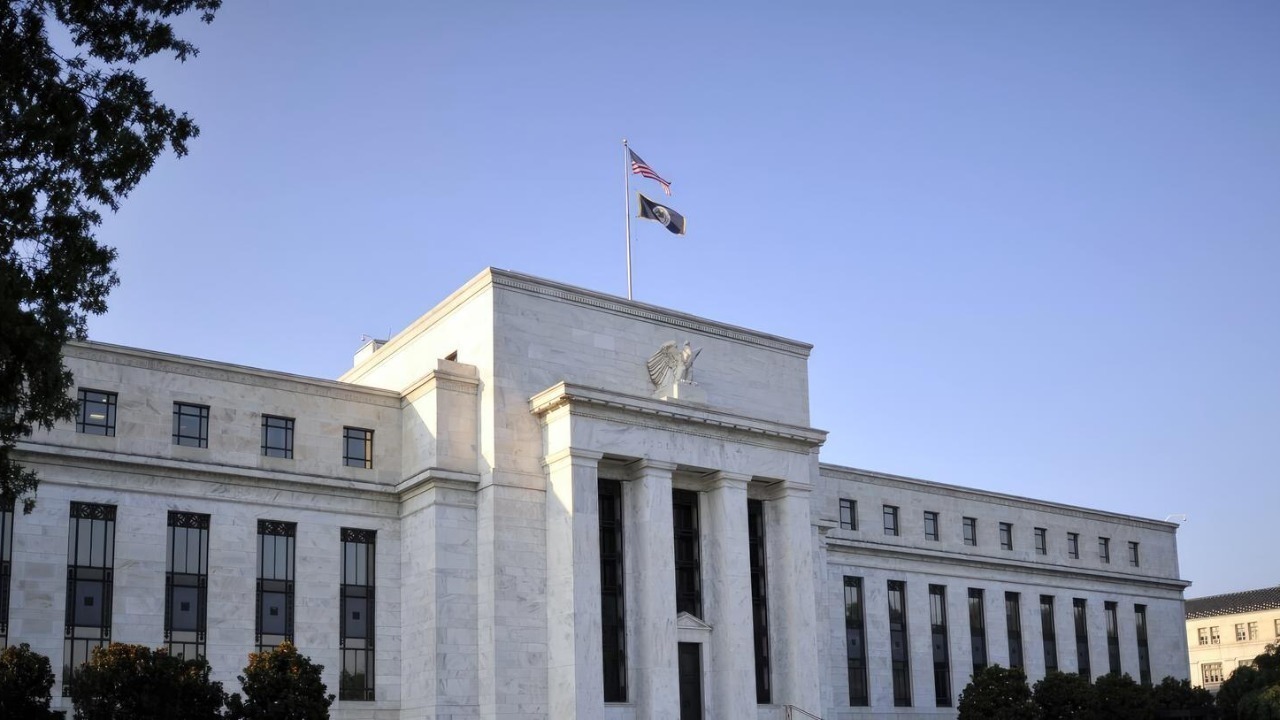
The Federal Reserve’s preferred inflation measure stayed hot in December 2025, with core prices rising at a 3.0% annual rate just as economic growth slowed to its weakest pace in over a year. The combination of stubborn price pressures and a sharp deceleration in GDP has effectively shut the door on near-term interest rate cuts, leaving borrowers stuck with elevated costs heading into 2026. For a central bank that has repeatedly said it needs more confidence that inflation is moving sustainably toward its 2% target, the latest data offers little comfort.
December PCE Data Shows Prices Still Running Hot
The Bureau of Economic Analysis reported that the personal consumption expenditures price index rose 0.4% from November to December 2025 and 2.9% year-over-year. That headline figure alone would have given Fed officials pause, but the core reading, which strips out volatile food and energy costs, was even more troubling. Core PCE increased 0.4% on the month and 3.0% compared with December 2024, a level well above the Fed’s 2% target and a sign that underlying price pressures have not loosened as quickly as policymakers hoped.
Consumer spending rose 0.4% in December as well, according to the same BEA release. That spending figure suggests households continued to open their wallets even as prices climbed, a pattern that can sustain inflation by keeping demand strong. The persistence of both elevated prices and steady consumer outlays creates a difficult backdrop for any argument that the economy is cooling enough to justify lower interest rates, especially when combined with earlier months of firm price gains that have kept the 12‑month trend stuck well above the Fed’s comfort zone.
GDP Growth Dropped Sharply in the Fourth Quarter
While inflation stayed firm, the broader economy lost significant momentum. Real GDP expanded at just a 1.4% seasonally adjusted annual rate in the fourth quarter of 2025, according to the BEA’s advance estimate. That was a steep drop from the 4.4% growth rate recorded in the third quarter, and it marked the weakest expansion since the economy had been humming along at a much faster clip earlier in the year, underscoring how quickly momentum faded as higher borrowing costs filtered through to spending and investment decisions.
Two forces dragged on output. Government spending declined, weighed down by the federal shutdown that ran from October through November 2025. Consumer spending, while still positive, decelerated from its earlier pace as households grew more cautious in the face of higher prices and elevated interest rates. The GDP report also contained its own inflation readings: the PCE price index within the national accounts rose at a 2.9% annualized rate for the quarter, while the core measure came in at 2.7%. Those figures confirmed that even as the economy slowed, price pressures remained embedded across a broad set of goods and services, a pattern that the Wall Street Journal described as a weak finish to the year.
The Fed Holds Rates and Signals Patience
Against this backdrop, the Federal Open Market Committee met on January 27 and 28, 2026, and voted to hold the federal funds target range at 3-1/2 to 3-3/4 percent. The post-meeting statement was blunt: “inflation remains somewhat elevated,” the committee wrote, while also noting that “job gains have remained low” and the unemployment rate has shown some signs of stabilization. The language painted a picture of an economy that is neither running too hot on the labor side nor cooling fast enough on the price side to warrant a policy shift, reinforcing the idea that the current level of restriction will be maintained for some time.
The committee also made clear that any future adjustments to the target range would depend on incoming data, a formulation that gives officials maximum flexibility to wait. The minutes from the January meeting, released in mid-February, reinforced that cautious posture: policymakers stressed that inflation was still above target and that risks to the outlook remained skewed toward higher prices. The summary of the January discussion emphasized elevated uncertainty and showed little appetite for cutting rates while core inflation sits a full percentage point above goal, a stance that was echoed in the Fed chair’s remarks at the post‑meeting press conference.
Shutdown Muddied the Data Picture
One complication for analysts trying to read the economy’s vital signs is that the federal government shutdown in October and November 2025 disrupted key data collection. The Bureau of Labor Statistics published a detailed note explaining how the shutdown affected Consumer Price Index data collection and representation during the closure period. Price collectors were unable to gather some in-person samples, and the agency relied on imputations to fill gaps in the CPI series, particularly for categories where field staff could not visit stores or service providers.
That data disruption ripples into other measures. The BEA uses CPI inputs when constructing the PCE price index, meaning the December inflation readings carry some inherited noise from the shutdown months. Researchers can use the BEA’s interactive tables to trace how specific consumption categories fed into the December PCE figures, while the BLS offers a series‑level interface and a more flexible data query tool for examining the underlying CPI data. These methodological caveats mean the December PCE figures should be read with the understanding that some of the price data feeding into them was estimated rather than directly observed, introducing an extra layer of uncertainty that Fed officials have acknowledged when describing recent inflation prints.
Why Rate Cuts Keep Getting Pushed Back
The central tension in the current economic picture is straightforward: growth is slowing, but inflation is not cooperating. In a textbook slowdown, weaker demand would pull prices lower, giving the Fed room to cut rates and cushion the landing. Instead, core PCE at 3.0% year-over-year in December tells a different story, one where price pressures have proven resistant to the cooling that has already shown up in GDP. The gap between where inflation sits and the Fed’s 2% target remains wide enough that cutting rates prematurely could reignite demand-driven price increases before the job is finished, especially in interest-sensitive sectors such as housing, autos, and business investment.
This dynamic helps explain why market expectations for rate cuts have been repeatedly pushed further into the future. When the Fed says adjustments depend on incoming data, the December PCE report is exactly the kind of data that argues for patience. A 1.4% GDP growth rate is uncomfortable but not recessionary, and the labor market, while showing low job gains, has not deteriorated into outright contraction. Policymakers appear willing to tolerate slower growth for longer if it means avoiding the mistake of easing too soon and watching inflation reaccelerate. The growing possibility that the Fed could extend its pause through much of 2026 is consistent with the data trail: persistent above-target inflation paired with sub-2% growth gives officials little reason to move in either direction, effectively locking policy into a holding pattern until the numbers clearly break one way or the other.
What This Means for Household Budgets
For ordinary Americans, the practical consequence is that borrowing costs are not coming down anytime soon. Mortgage rates, auto loan rates, and credit card interest charges all take their cues from the federal funds rate, and with the Fed holding steady at 3-1/2 to 3-3/4 percent, relief on monthly payments remains out of reach. Households that stretched to buy homes or cars during the period of lower rates in prior years are locked into payments that eat a larger share of income, while those waiting for rates to fall before making big purchases face an indefinite delay that complicates decisions about moving, refinancing, or taking on new debt.
At the same time, the 2.9% annual increase in overall PCE prices means the cost of everyday goods and services continues to outpace the Fed’s target. Groceries, insurance, housing, and services have all contributed to the sticky inflation readings that keep the central bank on hold. The combination of prices that keep rising and interest rates that stay elevated creates a double squeeze on budgets: wages must stretch further to cover necessities, and there is less room left over after debt service. Until inflation moves decisively closer to 2% or growth slows enough to force the Fed’s hand, households should plan for an environment in which both borrowing and living remain relatively expensive, with little sign of quick relief on either front.
More From The Daily Overview
*This article was researched with the help of AI, with human editors creating the final content.

Grant Mercer covers market dynamics, business trends, and the economic forces driving growth across industries. His analysis connects macro movements with real-world implications for investors, entrepreneurs, and professionals. Through his work at The Daily Overview, Grant helps readers understand how markets function and where opportunities may emerge.

